Cutting grooves into concrete, brick, or masonry walls is a common task in electrical wiring, plumbing installation, and building renovation. However, the process generates a large amount of fine dust. Without proper control, these particles can spread throughout the work area, reduce visibility, affect indoor air quality, and create potential respiratory hazards for workers.
A modern Wall Slotting Machine helps address this problem through specialized dust-control designs. Depending on the machine configuration, dust can be controlled through water-based suppression or a dedicated dust extraction system. Wet cutting is particularly useful for reducing airborne particles during concrete and masonry cutting.
Understanding how these systems work is important when selecting equipment and planning a safer, cleaner cutting process. This article explains the main dust-control methods, the factors that influence their performance, and the operating practices that help reduce dust during wall slotting.
Key Takeaways
Dust Suppression: Wet cutting uses water at the cutting area to reduce the amount of fine dust released into the surrounding air.
Dust Extraction: Some wall slotting machines use a blade guard or extraction shroud connected to an industrial vacuum to collect dry dust at its source.
Cutting Performance: Blade condition, cutting depth, material hardness, and operating speed all influence dust generation and control effectiveness.
Workplace Safety: Effective dust management also requires proper ventilation, suitable protective equipment, and regular machine maintenance.
Slurry Management: Wet cutting produces a mixture of water and cutting debris that must be collected before it dries and releases fine particles back into the air.
Why Does a Wall Slotting Machine Generate Dust?
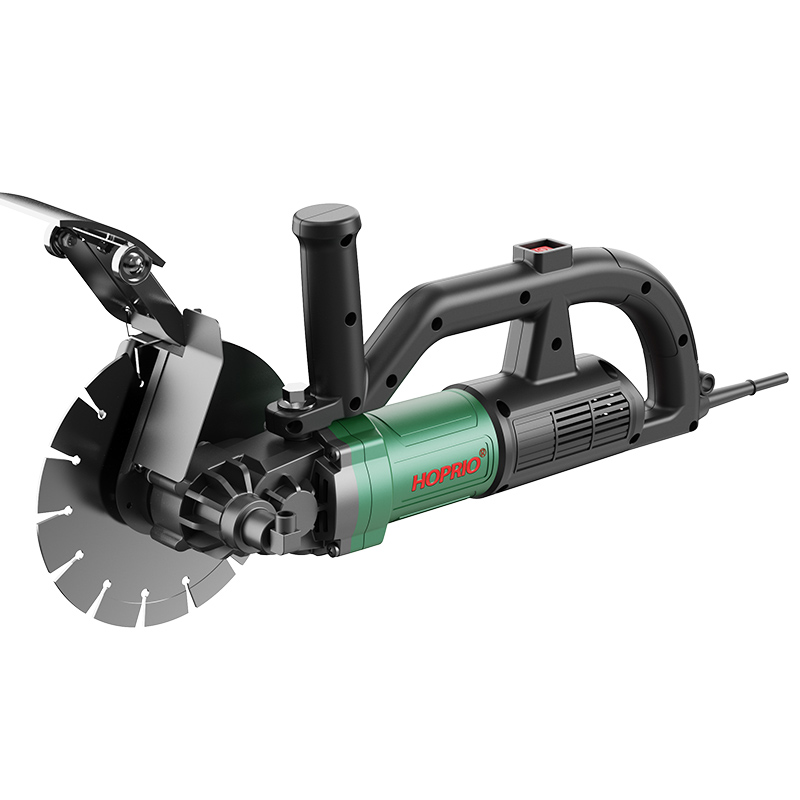
A wall slotting machine uses rotating cutting blades to remove material and create narrow channels in concrete, brick, or other masonry surfaces. These channels are commonly used to accommodate electrical cables, water pipes, and other building services.
During cutting, the blade applies mechanical force to the material. This process breaks down small sections of concrete or masonry into fine particles. Materials containing crystalline silica can release respirable crystalline silica dust, which is small enough to penetrate deep into the respiratory system.
The amount of dust generated depends on several factors.
Material Composition: Concrete, brick, mortar, and stone contain different mineral compositions and have different cutting characteristics. Harder materials may require more cutting effort, while some masonry materials produce considerable fine dust during abrasion.
Cutting Depth and Width: Deeper and wider grooves require more material to be removed. As the volume of removed material increases, the amount of dust or wet cutting residue also increases.
Blade Condition: A worn, damaged, or unsuitable diamond blade may produce excessive friction and require more force during operation. This can affect cutting efficiency and make dust control more difficult.
Operating Technique: Excessive pressure, inconsistent movement, or an unsuitable cutting speed can affect the cutting process. Proper machine positioning and a steady feed rate help maintain consistent performance.
For professional contractors, controlling dust at the cutting point is generally more effective than relying only on cleaning after the work is finished.
How Does a Wall Slotting Machine Control Dust?
Modern wall slotting machines generally use one of two dust-control approaches: wet cutting or dry dust extraction. Each method works differently and requires compatible equipment.
1. Wet Cutting Uses Water to Suppress Dust
Wet cutting is a practical dust-control method for machines specifically designed to operate with water.
During operation, water is supplied to the blade and cutting area. As the blade cuts through concrete or masonry, the water wets the material and fine particles generated during the process.
This helps prevent a proportion of the dust from becoming airborne. Instead of dispersing throughout the workspace, many particles become part of a wet residue that can be collected after cutting.
The effectiveness of wet cutting depends on the water delivery system and how it is maintained.
Continuous Water Supply: Water must reach the cutting area throughout the operation. An interrupted supply reduces suppression effectiveness and may also affect blade cooling.
Correct Water Positioning: Water should be directed toward the blade and material contact area. Poor positioning may leave part of the cutting zone dry.
Adequate Water Flow: The supply must meet the equipment manufacturer's requirements. Insufficient flow may allow visible dust to escape, while excessive water can create unnecessary splashing and cleanup work.
Proper Slurry Collection: Wet cutting produces slurry containing water and masonry particles. This residue should be collected while still wet to prevent dried material from becoming airborne again.
Another advantage of wet cutting is blade cooling. Water helps remove heat generated by friction between the blade and the material. Maintaining suitable operating conditions can help support consistent cutting performance.
2. Dry Dust Extraction Captures Particles at the Source
Dry dust extraction uses airflow rather than water to control dust.
A machine designed for this method normally has a protective shroud or dust collection hood surrounding the cutting area. The shroud is connected to an industrial dust extractor through a suitable hose.
When the machine operates, the vacuum creates negative pressure inside the collection area. Air carrying dust particles is drawn through the hose and into the extraction unit.
The collected particles are retained by the vacuum's filtration system rather than spreading throughout the workspace.
Several components determine how well this system performs.
Protective Shroud: The shroud should fit closely around the blade and cutting area to reduce dust leakage.
Extraction Hose: The hose must be compatible with the machine and free from blockages, sharp bends, or loose connections.
Vacuum Airflow: The dust extractor must provide sufficient airflow for the tool's requirements. A vacuum with inadequate airflow may fail to capture particles effectively.
Filtration System: Suitable high-efficiency filtration helps prevent fine particles from being released back into the working environment. HEPA filtration may be appropriate where required by the equipment design or applicable safety requirements.
Wet cutting and dry extraction are different engineering approaches. A machine designed for one method should not automatically be assumed to support the other. Always follow the manufacturer's operating instructions.
What Factors Affect Dust Control Performance?
Even when a wall slotting machine has an effective dust-control system, operating conditions can influence the results.
Blade Selection and Condition
The cutting blade should match the material and the machine's operating requirements. A suitable diamond blade helps maintain stable cutting performance and reduces unnecessary friction.
Regular inspection is equally important. Check for excessive wear, visible damage, and other signs that the blade may need replacement. A poorly maintained blade can make cutting slower and place additional demands on the machine.
Cutting Depth and Feed Rate
Cutting depth determines how much material the blade removes in one pass. Deeper grooves generally generate more debris and place greater demands on the cutting and dust-control systems.
For demanding applications, following the recommended cutting procedure helps prevent excessive loading. Where the machine and application permit, staged cutting can help maintain a manageable cutting load.
Feed rate also matters. Moving the machine too quickly can prevent the cutting system from working consistently, while excessive pressure may overload the motor and affect blade performance.
A steady movement with controlled pressure is generally preferable to forcing the machine through the material.
Water Supply and Equipment Maintenance
For wet-cutting machines, the water delivery system needs regular inspection.
Check hoses, connections, and water outlets before operation. Make sure there are no leaks, blockages, or damaged components that could interrupt water delivery.
For dry extraction machines, inspect the collection hose, shroud, filters, and dust container. Blocked filters or restricted airflow can significantly reduce extraction performance.
Following the maintenance schedule provided by the manufacturer helps keep the dust-control system working as intended.
Wet Cutting vs. Dry Dust Extraction: Which Method Is Better?
Both methods can reduce airborne dust, but their suitability depends on the work environment, material, and machine configuration.
Wet Cutting: This method is effective for suppressing dust during concrete and masonry cutting. It also helps cool the blade. However, it produces wet slurry that requires collection and disposal. Water management and electrical safety must also be considered.
Dry Dust Extraction: This approach collects particles through a shroud and industrial vacuum. It avoids introducing water into the work area, making it useful where moisture is unsuitable. However, its performance depends heavily on adequate airflow, effective filtration, and proper sealing around the cutting area.
Application Considerations: Wet cutting may be suitable for jobs where water can be safely managed. Dry extraction may be preferable where moisture could damage nearby materials or interfere with other operations.
Neither method is automatically suitable for every project. Contractors should select a machine based on the cutting application and the manufacturer's specified dust-control configuration.
How to Reduce Dust When Operating a Wall Slotting Machine
Choosing suitable equipment is only one part of dust management. Proper preparation, operation, and cleanup are equally important.
Before Cutting
Inspect the Machine: Check the blade, guard, power cable, handles, and other components before starting work. For wet-cutting equipment, inspect the water supply and connections.
Prepare the Work Area: Remove unnecessary materials and protect nearby surfaces. Restrict access to the cutting area where appropriate to prevent other workers from entering an area with potential dust exposure.
Check the Material: Identify the wall material and confirm that the selected blade and cutting method are suitable. Check for concealed electrical wiring, pipes, and other building services before cutting.
Prepare Protective Equipment: Use suitable eye, hearing, and respiratory protection based on the task and workplace risk assessment.
During Cutting
Maintain Consistent Operation: Keep the machine properly positioned against the wall and guide it along the marked cutting line. Avoid excessive pressure or sudden changes in direction.
Maintain Dust Controls: For wet cutting, ensure that water continues to reach the cutting area. For dry extraction, check that the hose remains connected and that airflow is not restricted.
Monitor Dust and Residue: Unexpected visible dust may indicate insufficient water delivery, poor extraction, an unsuitable cutting setup, or excessive feed speed. Stop the machine and identify the cause rather than continuing under poor conditions.
Follow Electrical Safety Requirements: Water-assisted cutting requires equipment designed for the application. Use appropriate electrical protection, including GFCI protection and suitable watertight connections where required. Never modify a dry-only machine to introduce water.
After Cutting
Collect Cutting Residue: Remove wet slurry before it dries. For dry extraction systems, empty the dust container and maintain the filtration system according to the manufacturer's instructions.
Clean the Work Area: Avoid dry sweeping or compressed-air cleaning methods that can redistribute fine silica particles. Use suitable wet-cleaning methods or a properly equipped HEPA-filtered vacuum where appropriate.
Inspect the Equipment: Check the blade, guard, water connections, extraction components, and other working parts before storing the machine.
These practices help maintain dust-control performance and reduce unnecessary exposure during repeated cutting operations.
What Should You Look for in a Wall Slotting Machine?
When comparing wall slotting machines, contractors should consider more than motor power and maximum cutting depth. The dust-control design must also match the intended application.
Dust-Control Configuration: Determine whether the machine uses wet cutting or dry extraction. Check whether the necessary water delivery components or dust collection accessories are included.
Motor Performance: Adequate motor power helps maintain stable cutting performance when working with demanding masonry materials. Brushless motor technology can also reduce maintenance requirements associated with carbon brush replacement.
Cutting Capacity: Check the blade diameter, maximum cutting depth, and available adjustment range. These specifications should match the dimensions of the grooves required for the project.
Safety Features: Look for suitable blade protection, overload protection, and other safety functions. For wet-cutting equipment, confirm the manufacturer's electrical safety requirements.
Maintenance and Support: Reliable technical support, replacement blades, and accessible maintenance information are important for long-term equipment use.
For example, HOPRIO lists its Z1R-230YE1 as a 4000W AC brushless wall slotting machine designed for wet cutting. Its published specifications include 4000W rated power, 5000W maximum power, a 230mm blade, and a maximum cutting depth of 85mm.
These specifications help contractors evaluate cutting capacity, but they should not be interpreted as independent measurements of dust reduction. The actual result also depends on water delivery, material conditions, operating technique, and workplace controls.
Can a Wall Slotting Machine Completely Eliminate Dust?
A wall slotting machine can significantly reduce airborne dust when equipped with a suitable suppression or extraction system. However, no machine should be assumed to eliminate all respirable particles under every working condition.
Wet cutting reduces the amount of dust released into the air, but some airborne particles may remain. Similarly, dry extraction systems may allow dust to escape if the shroud does not fit properly or the vacuum airflow is insufficient.
Workplace ventilation, proper cleaning, suitable respiratory protection, and compliance with applicable silica exposure requirements remain important.
For contractors, the objective should be effective dust reduction throughout the entire cutting process rather than relying on a machine's dust-free marketing description alone.
Conclusion
Dust control is an important consideration when selecting and operating a wall slotting machine. Wet cutting reduces airborne particles by applying water to the cutting area, while dry extraction uses a shroud and industrial vacuum to collect dust at its source.
The right approach depends on the application, working environment, and machine design. Blade condition, cutting depth, water supply, extraction airflow, and regular maintenance also influence the final result.
HOPRIO develops AC brushless power tools, including wall slotting machines designed for demanding concrete cutting applications. Its wall slotting machine range combines high-power brushless motor technology with practical cutting capabilities. For contractors looking for reliable wall cutting equipment, selecting a suitable machine and matching it with the correct dust-control practices can help improve cutting efficiency and maintain a cleaner working environment.
Frequently Asked Questions
1. How does a wall slotting machine reduce concrete dust?
A wall slotting machine reduces concrete dust through wet cutting or dry dust extraction, depending on its design. Wet cutting uses water to suppress airborne particles, while dry extraction uses a shroud and industrial vacuum to collect dust during cutting.
2. Is wet cutting better than dry cutting for a wall slotting machine?
Wet cutting is effective for reducing airborne dust and cooling the blade during masonry cutting. Dry extraction is more suitable for applications where water cannot be introduced into the work area. The better option depends on the material, working conditions, and machine configuration.
3. Does a wall slotting machine need a water supply?
A wet-cutting wall slotting machine requires an appropriate water supply to control dust and support blade cooling. The required water delivery arrangement depends on the machine design. Dry-cutting models designed for vacuum extraction do not require water.
4. Can a wall slotting machine cut concrete without producing dust?
Concrete cutting can generate fine particles even when a dust-control system is used. Wet cutting and dry extraction can reduce airborne dust, but neither should be treated as a guarantee of zero dust exposure.
5. Why does dust still escape from a wall slotting machine?
Dust may escape because of insufficient water flow, blocked water outlets, a worn blade, excessive cutting speed, or an unsuitable operating technique. On dry extraction models, damaged shrouds, loose hose connections, and clogged filters can also reduce dust collection efficiency.
6. How should wet concrete cutting residue be cleaned?
Wet cutting residue should be collected while it is still wet. Suitable methods include wet collection equipment or a wet vacuum equipped with appropriate filtration. Allowing slurry to dry can cause fine silica-containing particles to become airborne again.
7. Is a wall slotting machine suitable for indoor renovation?
Yes, wall slotting machines are commonly used for indoor renovation projects involving electrical wiring and plumbing installations. However, indoor cutting requires careful dust management, adequate ventilation, suitable protective equipment, and proper control of water and electrical hazards.
8. What maintenance helps improve dust control?
Regularly inspect the blade, protective guard, water delivery components, and electrical connections. For dry extraction models, check the shroud, hose, filters, and dust container. Follow the manufacturer's maintenance instructions to maintain reliable performance.


