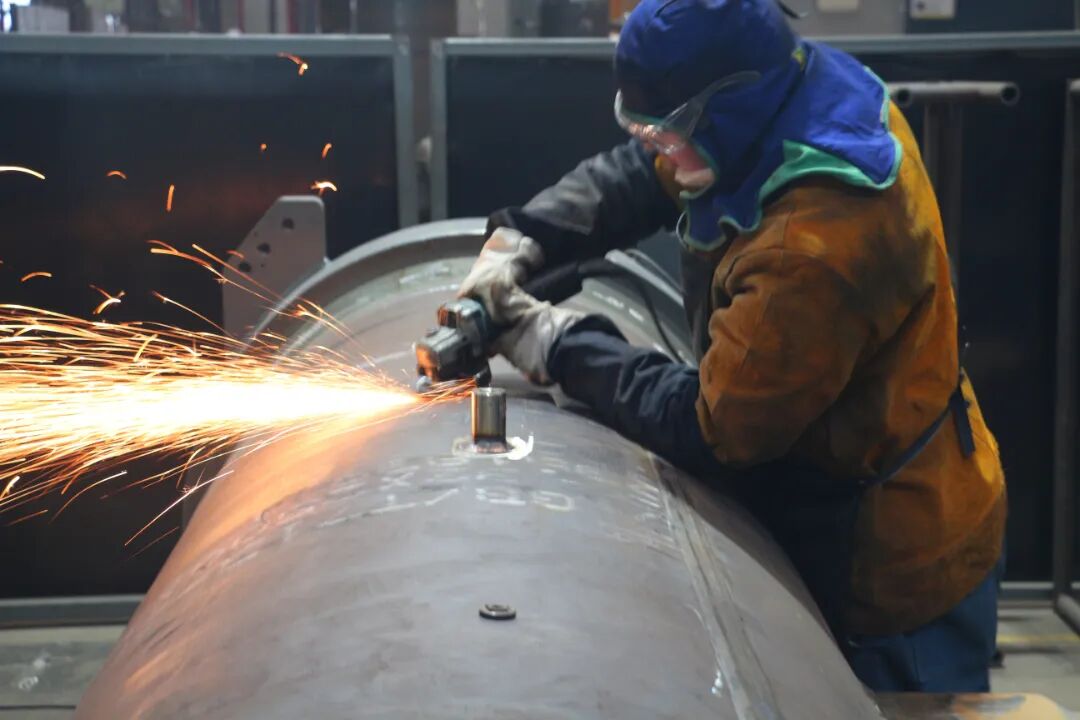
Angle grinders are among the most versatile power tools in any workshop, fabrication shop, or construction site. But with so many sizes, motor types, and features available, choosing the right one—and using it safely—can raise plenty of questions.Here are the 10 most frequently asked questions about angle grinders.
Identify what you will do most often, then choose a grinder with a fixed or variable speed that matches that task. "Higher RPM is better" is a common misconception. A high‑speed grinder may be perfect for cutting thick steel, but the same tool can damage delicate woodwork or overheat a marble surface.
Shipyards are not abandoning brushed angle grinders because of marketing. They are doing it because brushed motors were never designed for the continuous, heavy-load, dirty conditions of modern shipbuilding. The carbon brush, a consumable part that wears out, sparks, and loses efficiency under load, is a fundamental limitation of the technology. Brushless motors eliminate that limitation. They run longer, work harder, waste less energy, and create fewer hazards. For a shipyard where every hour of downtime costs money and every safety incident carries serious consequences, the case for brushless is increasingly difficult to ignore.