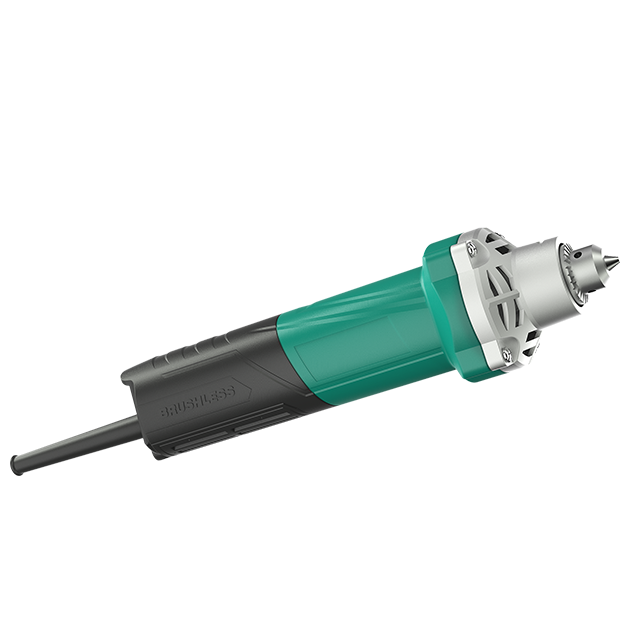
What actually matters when you buy a brushless die grinder? This compact rotary tool spins small mounted points and carbide burrs for detail work. Its motor runs longer, wastes less energy, and needs almost no maintenance compared with brushed designs. Six factors decide a good purchase: power, speed and control, size and ergonomics, accessory compatibility, safety, and budget. Many buyers also weigh a die grinder against an angle grinder first, and that choice shapes every spec that follows. HOPRIO supplies both tool types, so the guidance here stays balanced. Expect practical, spec-to-task advice you can apply, whether you are starting out or upgrading a working kit.
Key Takeaways
Choose a brushless motor for longer life and less maintenance.
Match the tool's power and speed to your tasks and materials.
Pick the right collet size for your accessories.
Use safety features like soft start and overload protection.
Decide between a die grinder and an angle grinder based on the job.
Power and Performance of a Brushless Die Grinder
A brushless motor changes how a die grinder delivers work. It removes the carbon brushes that wear down and create friction. You get higher efficiency, a longer service life, and far less maintenance than a brushed design. HOPRIO builds its own motors and controllers, and its data shows the practical result: 30%–40% higher grinding efficiency than conventional brushed tools, plus continuous operation at up to 1.5 times the rated power without motor burnout. That headroom matters when you lean into a cut and the tool keeps pulling.
Reading Power Ratings
Treat a power rating as a ceiling, not a promise. A motor rated for a given wattage can run continuously at that level, and a strong overload capacity lets it push beyond the rating for short periods. HOPRIO's brushless die grinder line sustains up to 1.5 times rated power for extended stretches, which suits intermittent heavy passes on metal. Match the rating to your workload. Light deburring needs modest power. Continuous surface work on thick steel demands more. Check whether the figure describes input power or output power, since the two differ and output tells you more about what reaches the bit.
Speed, Torque, and Control
No-load speed is the rpm the tool reaches with no resistance. Speed under load is what you actually feel at the workpiece. A weak motor drops rpm the moment the burr bites, and that drop shows up as chatter and an uneven finish. Stable speed keeps the cut consistent and the surface smooth. Torque determines how well the tool holds that speed.
Application Aspect | Effect of Torque Output |
Cutting and grinding power | Higher torque maintains consistent speed on tough materials and reduces time and effort |
Stability and control | Low torque causes unsteady rotation and uneven marks; adequate torque improves finish smoothness |
Attachment compatibility | Different attachments need different torque levels; adjustable settings add versatility |
Light-duty tasks (polishing, deburring) | Roughly 0.1–0.3 N·m is sufficient in a compact body |
Medium-duty tasks (aluminum, thin steel) | Roughly 0.3–0.6 N·m balances power and handling |
Heavy-duty tasks (thick steel, large surfaces) | 0.6 N·m or higher suits the toughest jobs |
Balance precision vs. speed for your task. Fine detail work rewards control and precision over raw rpm, while stock removal favors precision and power. Soft start and constant-speed control are control features, not just power features. Soft start ramps the motor up gently, and constant-speed control holds your chosen setting through changing load. Together they give you better control and precision at the burr tip. A variable speed dial lets you pick the right setting for each accessory, and the maximum speed of the Leilun brushless power tools reaches up to 12,000 r/min. Decide whether you need precision or speed before you compare models.
Die Grinders vs Angle Grinders
The core difference comes down to the bit and the job. A die grinder spins small mounted points and carbide burrs for detail work. An angle grinder turns larger discs for heavier cutting and grinding. You choose the tool that matches the cut, not the other way around.
Die Grinder vs. Angle Grinder Comparison Table
The die grinder vs. angle grinder comparison table below sets the two tools side by side. Use it to match each spec to your task.
Feature | Die Grinder | Angle Grinder |
Typical disc/bit size | Small mounted points and carbide burrs | Larger cutting and grinding discs |
No-load speed range | 20,000–35,000 RPM | 5,000–12,000 RPM |
Access to tight spaces | High, with inline reach into cavities | Limited by the larger disc guard |
Material removal rate | Moderate, precise and controlled | High, suited to bulk stock removal |
Best-fit tasks | Porting, deburring, detail grinding | Cutting, weld cleanup, surface prep |
The speed gap explains much of the behavior. A die grinder runs fast on a small burr, so it removes material in fine, controlled passes. An angle grinder runs slower on a large disc, so it moves more material per pass. Neither number is better on its own. Each suits a different cut.
Deciding Between a Die Grinder or Angle Grinder
Deciding between a die grinder or angle grinder starts with access and finish. Reach for the die grinder when the work sits inside a cavity, a slot, or a recessed weld. Its inline body follows the cut direction and gives you natural control over a carbide burr. Metal deburring, porting, and internal passage shaping all favor this layout. Reach for the angle grinder when you face a flat surface, a long weld, or a heavy cut. Its larger disc covers ground fast, and the guard shields you from sparks.
Straight die grinders are best for precision work, deep access, and inline grinding tasks such as porting, deburring, and reaching tight recessed areas — while angle die grinders are better for surface preparation, weld cleanup, edge blending, and general fabrication.
Power source matters too. Corded and air-powered models often suit heavier, continuous work, while cordless units suit portability and quick jobs away from an outlet. A battery platform adds freedom, yet runtime limits long sessions. Weigh that trade-off against your typical workday.
Match the accessory to the tool before you buy. Confirm the right type of disc for an angle grinder and the correct disc diameter for its guard. Check what it's used for against the tool's rating. Pick the right grinding disc for the material, and keep grinding discs within the tool's rated speed. HOPRIO builds both die grinders and angle grinders, so you can match the platform to the task without compromise.
Size and Ergonomics for Your Die Grinder
Body Diameter and Collet Size
The collet sets the limit on your accessory options. Common sizes are 1/4-inch and 6mm, and the two are close but not identical. A 1/4-inch collet accepts the widest range of carbide burrs and mounted points sold in North America. A 6mm collet suits many imported accessories and metric shank burrs. Check the shank size of the bits you already own before you commit. A collet that matches your existing kit expands your options from day one. A mismatched collet forces you to buy new accessories or add an adapter.
Body diameter decides how far you can reach into a cavity. A slim barrel slips into ports, slots, and recessed welds. A wider body feels steadier in the hand but blocks access to deep work. Measure the narrowest opening you expect to work in, then compare it with the tool's body. HOPRIO builds its brushless die grinder line with this reach in mind, so you can match the barrel to the job.
Grip Comfort and Weight Balance
Grip comfort shapes your control and precision over a long session. A textured, contoured grip reduces hand fatigue and keeps your fingers locked on the barrel. Test the feel before you buy if you can. A tool that fits your hand lets you guide the burr with small, deliberate movements.
Weight balance matters just as much. A lightweight, compact body reduces strain during overhead work and extended passes. A cordless model adds a battery, which shifts weight toward the rear. That rear bias can steady the tool or tire your wrist, depending on the design. Consider what it's used for in your shop and how long each session runs. A balanced tool holds its speed and your accuracy through the final pass.
Compatibility and Safety Features
Accessory and Collet Compatibility
Accessory fit starts at the shank. Carbide burrs and mounted points come in 1/4-inch and 6mm shanks, and the collet must match the shank exactly. A loose fit causes vibration and poor control and precision at the burr tip. Check the shank size of every bit in your kit before you buy a die grinder. Then confirm the collet size the tool ships with.
Speed ratings protect the accessory as much as the tool. Every mounted point and burr carries a maximum rpm, and you must keep the tool's speed at or below that figure. A small burr rated for high speed suits a fast spindle. A large mounted point rated lower needs a reduced setting. Match the accessory rating to the tool's top speed, then set the dial to the accessory's limit. This step belongs on any list of safety tips for angle grinders and die grinders alike.
Intelligent Protection in HOPRIO Tools
HOPRIO builds protection into the controller, not as an add-on. Its brushless tools include soft start, overload protection, over-temperature protection, over-voltage and under-voltage protection, plus a fault indicator light. Soft start ramps the motor up gently at startup. The fault light tells you when the tool detects a problem, so you can adjust your technique or call for service. These features support safe operation without asking you to monitor the motor yourself.
The Leilun brushless power tools range shows how this works in practice. Models come in 100, 125, 150, 180, and 230 types, with a no-load speed of up to 12,000 r/min. Each model pairs its protection set with a stable speed under load. Treat these features as a backstop, not a substitute for good habits. Wear eye protection, secure the workpiece, and keep your grip firm. A cordless unit adds freedom of movement, yet the same safety rules apply. Sound practice and built-in protection together keep your workshop running smoothly.
Budget and Long-Term Value
Brushless vs. Brushed Costs
A brushless die grinder costs more at the counter. That gap shrinks over the life of the tool. A brushed motor wears its carbon brushes down and needs replacement parts. A brushless design removes that wear item, so you spend less on maintenance and less on consumables over time. HOPRIO rates its brushless tools for 400 to 1000 hours of continuous load work, depending on the model. Treat that figure as an example of expected service life, not a guarantee. The point stands: you pay once for the motor and skip the repeat costs a brushed tool brings.
Weigh the upfront price against the work you plan to do. A hobbyist who runs a tool a few hours a month may never recover the premium. A shop that runs one daily will. Count your typical hours, then compare that total against the price difference.
What to Prioritize at Each Price Point
Your budget sets the features you can expect. The table below shows what each tier typically delivers.
Tier | Price Range | Motor Type | Speed Control | Warranty |
Entry-level | $20–$50 | Brushed | Limited | About 1 year |
Mid-range | $50–$120 | Brushless | Variable speed dial | 2–3 years |
Professional | $120–$300+ | Brushless, industrial-grade | Full speed control | 5 years |
At the entry level, accept limited speed control and plan for occasional use. At the mid-range, insist on a brushless motor and a variable speed dial. This tier offers the best value for serious hobbyists. At the professional level, look for full speed control, a long warranty, and durable internals. A cordless model adds freedom, yet check that its battery platform matches tools you already own. One shared battery saves money across your kit.
Start with your tasks. Match power and speed to the material and the cut. Confirm size, compatibility, and safety next. Weigh budget last. Settle the die grinder vs angle grinder question before any of this, because that choice shapes every spec that follows. Your workshop sets the priorities, not a spec sheet. A hobbyist and a production shop need different tools, and HOPRIO builds both die grinder and angle grinder lines to cover that range. Chasing every number wastes money on features you will never use. Write your own checklist before you buy: task, power, speed, collet, protection, price.

FAQ
Which collet size should you choose for a die grinder?
Match the collet to the shanks you already own. A 1/4-inch collet fits the widest range of carbide burrs and mounted points. A 6mm collet suits many metric accessories. Check your bits before you buy, then confirm the tool ships with the right collet.
How do you match an accessory to the tool's speed?
Every mounted point and burr carries a maximum rpm. Keep the tool's top speed at or below that figure. Set the dial to the accessory's limit before you start. This single habit protects the bit and keeps your cut controlled.
Should you pick a corded or cordless die grinder?
Choose corded for long, continuous sessions at the bench. Choose cordless for portability and quick jobs away from an outlet. Battery runtime limits extended work, so weigh that trade-off against your typical workday. HOPRIO builds both configurations to cover either case.
How long does a brushless die grinder last?
HOPRIO rates its brushless tools for 400 to 1000 hours of continuous load work, depending on the model. Treat that range as an example of expected service life, not a guarantee. A brushless motor removes the carbon brushes that wear out, so you skip that repeat maintenance cost.
Do you need variable speed on a die grinder?
Variable speed gives you control across different accessories and materials. Fine detail work rewards a low, steady setting. Stock removal favors higher rpm. A fixed-speed tool limits you to one pace, so confirm the dial before you buy.