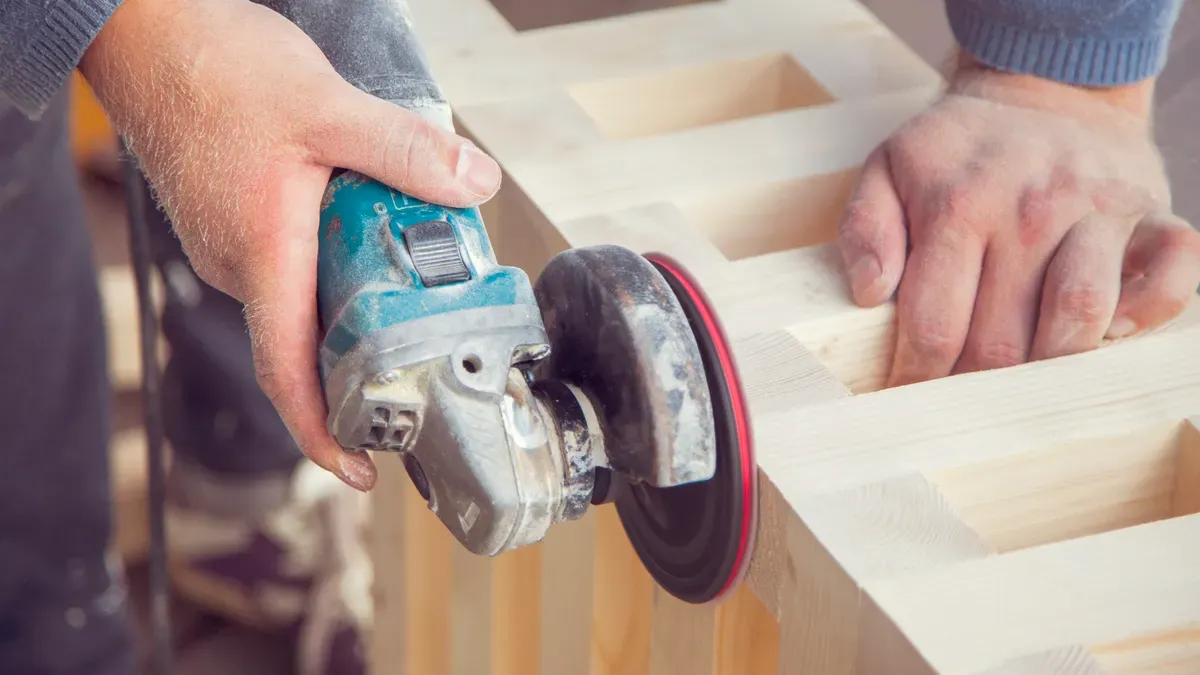
An angle grinder is a versatile power tool that cuts, grinds, and polishes various materials. The global angle grinder market reached USD 4 billion in 2024, according to SkyQuest. With so many options available, you face a real dilemma: choosing the right angle grinder for your projects.
Different tasks demand different tools. Understanding the different types of angle grinders helps you match the machine to the job. Key considerations when buying an angle grinder include disc size, power, and motor type.
Your goal is simple: find a tool that balances performance, safety, and budget. This angle grinder buying guide helps you choose an angle grinder wisely for your specific projects.
Key Takeaways
Pick the right disc size first. Small discs work best for thin metal. Large discs handle thick steel and concrete.
Power matters. Higher wattage cuts tough materials. Choose a 6-amp grinder for professional tasks.
Corded grinders run all day without stopping. Use corded for long jobs. Use cordless for quick, portable work.
Brushless motors last longer and save energy. They cost more upfront but pay off over time.
Key Angle Grinder Features: Size and Disc Diameter
Before you examine power ratings or motor technology, you must first decide on the physical size of the tool. The disc diameter determines what you can cut, how deep you can reach, and how easily you can maneuver the grinder into tight spaces. This single specification shapes every other decision you will make.
Common Disc Diameters
Angle grinder discs come in standardized sizes measured in both millimeters and inches. The most common angle grinder discs you will encounter in metal fabrication include:
100mm (4 inches)
115mm (4.5 inches)
125mm (5 inches)
150mm (6 inches)
180mm (7 inches)
230mm (9 inches)
Each size serves a distinct purpose. Smaller discs, such as the 4-inch and 4.5-inch versions, excel at detail work and accessing confined areas. Medium discs from 5 to 6 inches offer the best all-around performance for general workshop tasks. Large discs from 7 to 9 inches handle heavy-duty industrial applications where maximum cutting depth matters most.
The disc diameter directly affects your cutting capability. Larger discs provide a bigger cutting depth because the radius of the wheel extends further past the guard. According to the mrosupply buying guide, disc diameter is the most important component to check when selecting an angle grinder. Typical sizes range from 4 inches (100mm) to 9 inches (230mm), and this range covers nearly every conceivable application.
Matching Disc Size to Your Tasks
Your choice of disc size should align with the materials you work with most frequently. The table below offers practical guidance based on steel thickness:
Steel Thickness | Recommended Disc Size |
Thin steel | 4 - 4.5 inches |
Medium steel | 5 - 6 inches |
Thick steel | 7 - 9 inches |
Thin sheet metal requires a smaller disc because you need precision and control rather than raw power. Medium steel sections benefit from the balance that 5-inch or 6-inch discs provide. Thick structural steel demands the larger cutting depth that only 7-inch or 9-inch wheels can deliver.
Pipe work follows a similar logic. The diameter of the pipe determines the minimum wheel size you need:
Pipe Diameter | Recommended Cutting Wheel Diameter |
Up to 3/4 inch | 4.5 inches |
Up to 2.5 inches | 6 inches |
Up to 3.5 inches | 9 inches |
Larger pipes require larger diameter wheels because the wheel must reach through the full cross-section of the pipe. A wheel that is too small simply cannot complete the cut.
For most steel fabrication projects, a 125 mm or 150 mm angle grinder offers the best balance between cutting capacity, control, and versatility. Larger grinders are better suited to structural steel and heavy-duty industrial work.
When you work with concrete, the rules shift slightly. Cutting concrete demands a disc with diamond segments designed specifically for masonry. You will need dedicated discs for concrete rather than standard abrasive wheels. A 4.5-inch grinder can handle light scoring and small cuts in concrete, but deeper cuts in slabs or blocks require a 9-inch machine. The larger disc provides the depth needed to cut through thick concrete sections in a single pass.
Disc thickness also matters. Thinner discs cut faster but wear out quicker and flex more under pressure. Thicker discs offer stability and longer life but remove material less aggressively. You must also verify that the arbor hole matches your grinder's spindle size. An incorrect match creates dangerous vibration and can damage both the disc and the tool.
HOPRIO manufactures angle grinders across multiple disc sizes, including models suited for heavy-duty grinding and cutting. Their lineup includes options for both precision work and industrial-scale operations. When you review angle grinder specifications, pay close attention to the maximum disc size the tool accepts. You cannot mount a 9-inch disc on a grinder designed for 4.5-inch wheels, so match the tool to your intended workload from the start.
Consider your most frequent tasks before making a purchase. If you primarily cut thin metal or grind welds, a compact 4.5-inch model keeps the tool light and maneuverable. If you regularly cut rebar, thick plate, or concrete, invest in a larger machine. The right disc size makes every job safer, faster, and cleaner.
Power and Speed: Angle Grinder Buying Guide Insights
Power determines how effectively your tool cuts through tough materials. You need enough wattage or amperage to keep the disc spinning when you apply pressure. Without sufficient power, the grinder stalls, the disc wears unevenly, and your work slows dramatically.
Understanding Wattage and Amps
Wattage measures the total electrical power your grinder consumes. Higher wattage translates to more cutting force. Amperage tells you the current draw, which directly relates to torque. Torque is the rotational force that keeps the disc moving when it meets resistance.
Higher amperage prevents the tool from bogging down during heavy grinding. A 4.5-inch corded grinder rated at 6.0 amps is the minimum for professional use. Models rated at 6.7 amps resist stalling even when you grind tough materials. This sustained cutting under pressure makes amperage crucial for heavy-duty tasks.
Different grinder sizes demand different power levels. The table below shows typical wattage ranges for industrial applications:
Grinder Size | Wattage Range | Industrial Application |
5-inch | 1,200–1,500 W | Heavy-duty industrial work |
6-inch | 1,500–2,000 W | Industrial metalwork and construction |
7-inch | 2,200–2,500 W | Heavy construction and metal fabrication |
9-inch | >2,500 W | Shipyards, heavy manufacturing, major construction |
10-inch | up to 3,000 W | Mining, shipbuilding, heavy equipment manufacturing |
12-inch | >3,500 W | Specialized heavy industrial applications |
These angle grinder specifications help you match power to your typical workload. A 5-inch grinder handles most workshop tasks. A 9-inch machine suits shipyards and major construction sites.
Variable Speed vs. Fixed Speed
Fixed-speed grinders run at one constant RPM. They work well for cutting and heavy grinding where maximum speed matters. Variable speed models let you dial the RPM down for finer work.
Variable speed becomes essential when you polish stainless steel. Polishing requires low speeds to prevent overheating the surface. With the correct pad, a variable speed grinder enables mirror-like finishes by keeping the tool at a safe, controlled RPM that avoids heat-induced discoloration.
Controlled working speed reduces friction-generated heat, which is critical because excessive heat can alter the appearance of stainless steel.
Lower speed settings give you more time to observe the finish and make small adjustments to pressure and movement.
Speed adjustment lets you respond to heat signs by reducing pressure or changing your working pattern.
As the surface finish becomes finer, the speed of the tool must be reduced to achieve a uniform appearance. Fabricators attempting #4 finishes and finer need variable speed angle grinders to reduce finishing speeds progressively, which also lowers abrasive consumption.
These angle grinder features matter most when you work with multiple materials. HOPRIO's brushless grinders maintain stable speed even under load, so you get consistent performance whether you cut steel or polish metal. This angle grinder buying guide recommends variable speed if your projects mix grinding with finishing work.
Corded Electric Angle Grinders: Pros and Cons
Advantages of Corded Models
Corded angle grinders deliver unlimited runtime. You plug them in, and they keep working without interruption. This matters most for continuous metal grinding sessions that last 30 to 60 minutes or longer. A cordless angle grinder simply cannot match this endurance.
Power consistency sets corded models apart. A corded grinder maintains constant power with no drop-off, even when you cut rebar for extended periods. Cordless tools deliver very good power initially, but that power tapers as the battery depletes. For long, demanding jobs, you never lose cutting force with a corded machine.
The runtime math favors corded tools. A 100 Wh battery under a typical 200–250 W grinding load delivers roughly 24–30 minutes of actual motor runtime. Compare that to a corded grinder that runs all day. For heavy fabrication work, the choice becomes obvious.
HOPRIO specializes in corded brushless technology. Their angle grinder lineup combines the unlimited power of corded operation with the efficiency of brushless motors. You get stable speed under load, intelligent protection features, and no battery anxiety. This combination makes corded brushless models the top choice for demanding tasks.
When Cordless Makes Sense
Cordless grinders serve specific scenarios well. Intermittent cutting and quick repairs benefit from cordless convenience. You save setup time and deploy immediately without finding an outlet. Mobile work across rooftops, scaffolds, or multiple rooms also favors cordless tools because you eliminate trip hazards and extension cord management.
Tight spaces and overhead work present another case. A cordless grinder removes cord snags and improves balance, reducing safety risks. Lighter tasks that do not require continuous heavy grinding also suit cordless operation efficiently.
However, understand the limitation. Cordless runtime under continuous load typically ranges from 20 to 45 minutes per battery charge. For extended work, you need at least two spare batteries. This adds cost and weight to your kit.
When you compare the types of angle grinders available, corded models remain the workhorse for professionals. The cordless grinder excels as a secondary tool for quick jobs. But for sustained cutting, grinding, and fabrication, a corded angle grinder delivers the reliability you need. Choose cordless for portability; choose corded for performance.
Brushless vs. Brushed Angle Grinder Motors
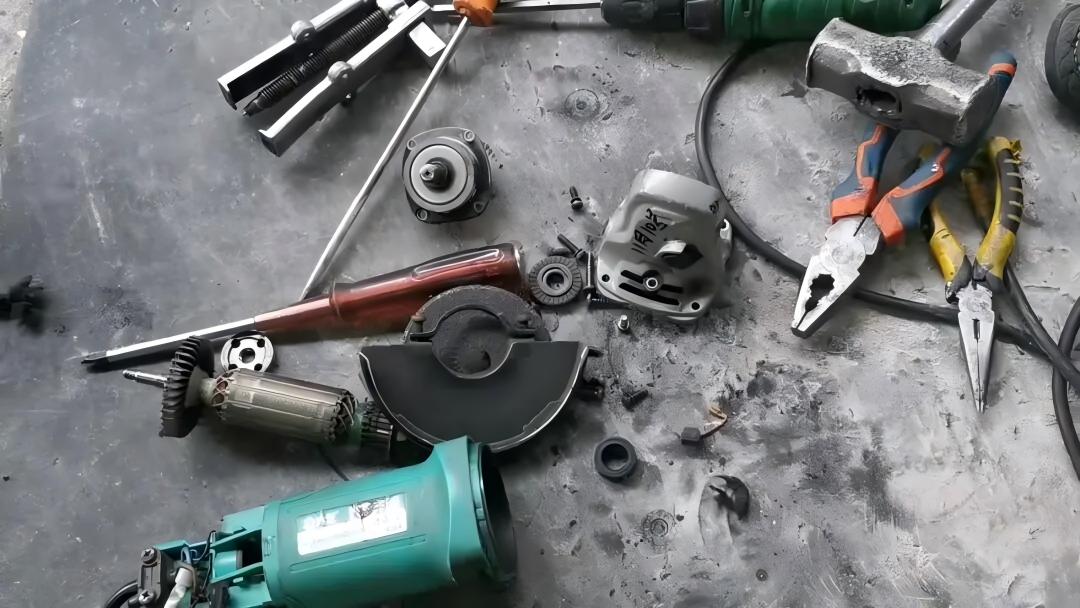
The motor inside your angle grinder determines its efficiency, lifespan, and maintenance needs. Two main types exist: brushless and brushed. Understanding the difference helps you choose the right investment for your workshop.
Advantages of Brushless Motors
Brushless motors deliver superior performance by eliminating physical brushes that create friction. This design change brings major benefits to your work.
Efficiency tops the list. According to data from leading tool manufacturers, brushless motors provide 30–40% higher efficiency compared to conventional brushed motors. This efficiency gain means your angle grinder converts more electrical power into cutting force rather than heat. You use less energy to complete the same tasks.
Lifespan also improves dramatically. The table below shows the difference you can expect:
Motor Type | Lifespan (hours) |
Brushed | 1,000 – 3,000 |
Brushless | >10,000 |
A brushless motor can outlast a brushed motor three to ten times over. You replace the tool far less often.
Intelligent protection systems add another layer of value. HOPRIO's proprietary controller and motor technology include soft start, which gradually ramps up speed to prevent sudden jerks. Overload and over-temperature protection automatically shut down the tool before damage occurs. These features reduce disc consumption by 30–40%, saving you money on consumables.
Maintenance is minimal. No brushes means nothing to replace. You simply use the tool and store it properly.
When you compare the types of angle grinders available, brushless models represent the modern standard for professionals who value efficiency and durability. HOPRIO focuses exclusively on this technology, combining corded reliability with brushless efficiency.
Why Brushed Motors Are Still Around
Brushed motors remain popular for one primary reason: cost. You pay less upfront for a brushed cordless angle grinder or corded model. The simpler design keeps manufacturing costs low, and manufacturers pass those savings to you.
However, lower initial cost comes with trade-offs. Brushed motors suffer from friction between the brushes and the commutator. This friction generates heat and wears down the brushes over time. You eventually need to replace brushes or buy a new tool entirely.
Efficiency is lower. A brushed motor wastes more energy as heat. You notice this when the tool gets hot during extended use. The motor also loses speed under heavy load, reducing cutting performance.
For occasional home use, a brushed motor may serve you well. But for professional work, the long-term costs of replacement and lower efficiency often outweigh the initial savings. Reviewing angle grinder specifications will show you the lifespan and efficiency numbers that separate the two technologies. A cordless grinder with a brushed motor may run for only a fraction of the hours of a brushless equivalent.
When you examine the specifications of each type, the choice becomes clear. Brushless motors deliver more power, last longer, and require less maintenance. HOPRIO's brushless line offers these benefits in a corded package that never runs out of battery.
Angle Grinder Safety: Must-Know Tips
Angle grinder accidents cause serious injuries every year. The U.S. Consumer Product Safety Commission reports nearly 25,000 injuries nationwide while using angle grinders. OSHA data shows a 20% fatality rate for injuries from grinder kickbacks, with 80% requiring hospitalization. These numbers make angle grinder safety a priority for every operator.
Essential Safety Features
The protective guard stands as your first defense. OSHA mandates that the guard cover the spindle end, nut, and flange projections. The guard must sit between you and the wheel during operation. For right-angle grinders, the maximum exposure angle cannot exceed 180 degrees. The guard adjustment must also deflect broken wheel pieces away from your body.
The spindle lock button prevents the spindle from turning while you loosen or tighten the accessory nut. This mechanism allows quick disc changes without gripping the spinning shaft. Models with spindle lock systems make accessory changes faster and safer, as the lock prevents accidental rotation during the replacement process.
A lock-off switch adds another layer of protection. This feature requires you to press a separate button before the trigger engages. The design prevents accidental startups when you set the tool down or bump the trigger.
HOPRIO's brushless grinders include intelligent protection systems that go beyond mechanical features. Soft start gradually ramps up speed to prevent sudden jerks. Over-temperature and over-voltage protection automatically shut down the tool before damage occurs. These electronic safeguards complement the physical safety features on every grinder.
Personal Protective Equipment (PPE) and Best Practices
You must wear the right protective gear before starting any grinding task. ANSI Z87.1+ rated safety glasses serve as your primary eye protection. The '+' rating means the eyewear passed a high-impact test withstanding a quarter-inch steel ball at over 100 mph. A face shield with the same rating goes over your glasses to block sparks and larger debris. You must wear the right protective gear because wheel fragments become high-velocity projectiles during operation.
You also need heavy-duty gloves, hearing protection, and steel-toed boots. The Royal Society for the Prevention of Accidents ranks angle grinders as the third most dangerous tool, with 5,400 injuries annually. WorkSafe documented 31 serious workplace injuries over the past 12 months alone.
To safely use an angle grinder, always maintain a two-handed grip. Hold the side handle firmly while guiding the tool with the main body. Inspect every disc before mounting. OSHA requires all wheels to be closely inspected and ring-tested to detect cracks. Verify the spindle speed does not exceed the maximum operating speed marked on the wheel.
You must wear the right protective gear even for quick jobs. A 49-year-old man sustained a deep gash to his foot while cutting metal without safety boots. Another worker suffered multiple fractures after an angle grinder accident caused a fuel tank explosion. These incidents show why proper protection matters.
To safely use an angle grinder, match the disc to your material and task. Never force the tool or apply excessive pressure. Let the grinder work at its own pace. These safety tips protect your hands, eyes, and life on every project.
Selection Tips for Your Specific Tasks
Your typical workload determines which angle grinder you need. Different materials demand different power levels, disc types, and safety approaches. Match your tool to your most frequent jobs, and you will work faster with better results.
For Metal Cutting and Grinding
Metal fabrication requires you to match motor power to material thickness. Thin sheet metal needs only 750–900 W of motor power. Steel sections from 3–4 mm thick require 900–1100 W. Material over 5 mm thick demands 1200–1400 W. If you cut metal all day professionally, choose a grinder rated at 1400 W or higher.
Torque matters more than wattage when you work with stainless steel. Stainless steel resists cutting because it work-hardens under friction. A grinder with high torque maintains disc speed through the cut. Low-torque tools stall and generate excessive heat, which discolors stainless steel surfaces.
For grinding mild steel welds, a zirconia alumina flap disc delivers the most cost-effective results. Choose a 40-grit or 60-grit ceramic or zirconia flap disc for weld blending on carbon steel. These discs remove material quickly while producing a smooth finish. You avoid the deep gouges that hard grinding wheels leave behind.
Your cutting metal technique affects both safety and disc life. Let the tool do the work instead of forcing it. Apply light pressure and move the grinder steadily along the cut line. This approach prevents disc binding and reduces kickback risk.
For Concrete and Masonry Work
Cutting concrete requires a completely different setup than metal work. You need a grinder that spins at least 10,000 RPM for effective concrete grinding. A 4.5-inch diameter grinder offers the best balance of power, control, and maneuverability for most concrete tasks.
The disc type determines your finish quality. Diamond cup wheels are the standard choice for concrete. Single-row turbo wheels remove material fast but leave a rough finish. Double-row wheels provide general grinding with a medium finish. Segmented flat wheels work best on hard concrete. Use a 30 to 50 grit cup wheel for initial material removal, then switch to finer grits for smoothing.
When you cut brick or masonry, match the blade to the grinder size. A 4.5-inch angle grinder requires a 4.5-inch diamond blade with a 7/8-inch arbor. The blade's maximum RPM rating must equal or exceed your grinder's no-load speed. Segmented rims cut fast in dry conditions. Turbo rims produce cleaner edges on face brick. Cut in 10–15 second bursts, then let the blade free-spin for 10 seconds to cool. Stop immediately if you see discoloration or wobble.
Dust control protects your lungs and keeps the jobsite clean. Use a dust extraction guard attached to your angle grinder to capture dust at the source. For serious concrete work, connect a HEPA-level filtration vacuum to the guard. Standard shop vacuums lack the filtration needed for concrete dust. A pulse-back filter system knocks dust off the filter automatically, preventing clogging during long sessions.
The right discs for concrete work include diamond blades and cup wheels designed specifically for masonry. Never use metal-cutting discs on concrete. The abrasive material breaks down rapidly and creates dangerous vibration.
Choosing the right angle grinder for your tasks comes down to matching power, disc type, and safety features to your primary materials. Consider whether you spend more time cutting metal or cutting concrete. Your answer guides every purchase decision you make.
Start your selection process by identifying your most frequent tasks. Then choose the disc size, power, power source, and motor type that match those specific needs. Choosing the right angle grinder requires careful thought about each factor.
This angle grinder buying guide helps you make smart decisions. Safety features and PPE remain non-negotiable. Never skip the guard or protective gear during any task.
Brushless corded angle grinders from HOPRIO deliver superior efficiency, long durability, and smart protection systems. These power tools suit both DIYers and professionals who demand reliability.
Remember this practical tip: buy the tool that fits 80% of your work, not the one that only handles occasional heavy-duty jobs. Always stay within your budget. Following these safety tips and selection guidelines ensures you invest in the right tool.
FAQ
Can an angle grinder cut concrete?
Yes, with a diamond blade. A smaller angle grinder handles light scoring in concrete. Deeper cuts in slabs need a 9-inch machine. Match the disc size to the material.
Which disc works best for concrete?
Diamond cup wheels suit concrete best. Single-row turbo wheels remove material fast. Double-row wheels create a medium finish. Use 30-50 grit for initial removal. Use finer grits for smoothing surfaces.
How do you control concrete dust safely?
Use a dust extraction guard with a HEPA vacuum. Standard vacuum filters cannot handle concrete dust. A pulse-back filter system prevents clogging during long sessions. This angle grinder buying guide tip keeps the jobsite clean.
Can you use metal discs on concrete?
No. Metal discs break quickly on concrete. They create dangerous vibration. Always choose diamond blades designed for concrete. Diamond cup wheels also work well for concrete. The right disc ensures safer operation. Check your grinder's specifications. Do this before mounting any accessory.