Grinding machines play a crucial role in various manufacturing processes, providing precision and efficiency in shaping and finishing materials. This article explores the four main types of grinding machines: surface grinders, cylindrical grinders, tool and cutter grinders, and bench grinders. Each type serves distinct purposes and applications, making them indispensable in industries such as automotive, aerospace, and metalworking. Understanding these machines' functionalities and features is essential for selecting the right equipment for specific tasks.
Surface Grinding Machines
Definition and Purpose
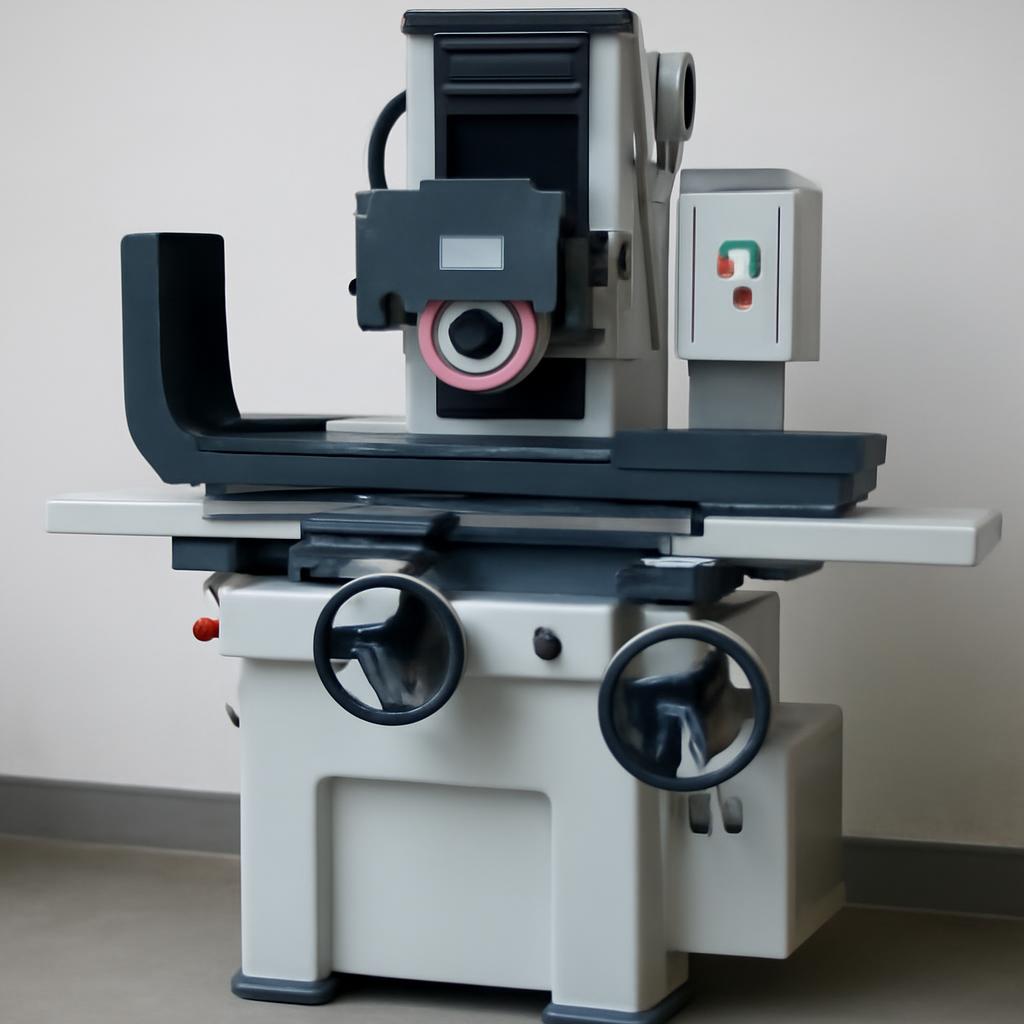
Surface grinding machines are designed to create smooth, flat surfaces on workpieces. They use an abrasive wheel to remove material and achieve precise finishes. These machines excel in producing flat, angular, or irregular surfaces, making them essential in industries requiring accuracy and fine surface quality.
Components of a Surface Grinder
A typical surface grinder consists of several key parts:
● Abrasive Wheel: The cutting tool that grinds the surface.
● Chuck: Holds the workpiece firmly in place during grinding.
● Rotary Table: Moves the workpiece in a circular motion to ensure even grinding.
● Wheel Head: Supports and rotates the abrasive wheel.
● Base: Provides stability and supports all components.
These parts work together to ensure the workpiece is ground evenly and accurately.
Applications and Industries Using Surface Grinders
Surface grinders find use in a variety of industries such as automotive, aerospace, tool making, and manufacturing. They are commonly used to:
● Finish metal parts to precise thickness and smoothness.
● Prepare surfaces for further machining or assembly.
● Create flat surfaces on tools, dies, and machine components.
For example, in automotive manufacturing, surface grinders help achieve the tight tolerances needed for engine parts. In tool rooms, they sharpen and finish cutting tools to exact specifications.
When selecting a surface grinder, consider the size of your workpieces and the precision level required to ensure optimal machine performance and finished quality.
Cylindrical Grinding Machines
Understanding Cylindrical Grinders
Cylindrical grinding machines shape the outside or inside of cylindrical workpieces. They rotate the workpiece around a central axis while an abrasive wheel removes material. This process creates smooth, precise surfaces on shafts, rods, and other round parts. These grinders handle various shapes as long as the workpiece can rotate.
The key feature is simultaneous rotation of both the grinding wheel and the workpiece. This ensures uniform material removal, resulting in consistent diameter and finish.
Types of Cylindrical Grinders: Outside Diameter, Internal Diameter, and Centerless
There are three main types of cylindrical grinders:
● Outside Diameter (OD) Grinders: These machines grind the external surface of a cylindrical workpiece. The workpiece is held between centers or in a chuck and rotated while the abrasive wheel moves along its length. OD grinders are ideal for shafts, pins, and rollers.
● Internal Diameter (ID) Grinders: These focus on grinding the inner surface of hollow workpieces like tubes or rings. The grinding wheel rotates inside the bore, refining the internal diameter to precise dimensions.
● Centerless Grinders: Unlike OD and ID grinders, centerless grinders do not hold the workpiece with centers or chucks. Instead, two wheels—a grinding wheel and a regulating wheel—rotate the workpiece. This method allows high-speed, continuous grinding of cylindrical parts without needing to mount each piece individually.
Common Uses and Industries
Cylindrical grinding machines are vital in industries requiring tight tolerances and smooth finishes on round parts. Common applications include:
● Automotive: Grinding engine components like camshafts, crankshafts, and transmission parts.
● Aerospace: Precision grinding of turbine shafts, landing gear parts, and other cylindrical components.
● Manufacturing: Producing bearings, rollers, and hydraulic cylinders.
● Tool and Die Making: Finishing precision pins and shafts used in molds and tooling.
Their ability to deliver high precision and surface quality makes cylindrical grinders indispensable in production and repair shops.
When selecting a cylindrical grinder, match the machine type to your workpiece geometry and production volume to optimize efficiency and accuracy.
Tool and Cutter Grinding Machines
Role of Tool and Cutter Grinders
Tool and cutter grinding machines specialize in sharpening and manufacturing cutting tools such as drills, milling cutters, and step tools. They play a vital role in tool rooms and manufacturing shops by restoring cutting edges and producing precision tools needed for metalworking and woodworking industries. These grinders help extend tool life and maintain high cutting performance, which is essential for efficient machining and manufacturing processes.
Features of a Tool and Cutter Grinder
Tool and cutter grinders are versatile machines equipped with multiple grinding wheels and often CNC control, allowing up to 5-axis movement. This flexibility enables them to handle complex shapes and angles required for various cutting tools. Key features include:
● Multiple Grinding Wheels: Allow different types of grinding operations without frequent wheel changes.
● CNC Control: Provides precise and repeatable tool sharpening and shaping.
● Adjustable Work Tables: Enable positioning of tools at various angles for complex grinding tasks.
● Coolant Systems: Help reduce heat buildup and improve grinding accuracy.
● Tool Holding Fixtures: Securely hold tools during grinding for safety and precision.
These features make tool and cutter grinders indispensable for producing high-quality cutting tools and maintaining tight tolerances.
Applications in Tool Rooms and Manufacturing
Tool and cutter grinders serve a wide range of applications, including:
● Sharpening Drills and End Mills: Restoring cutting edges to factory sharpness.
● Manufacturing Custom Cutting Tools: Creating specialized tools for unique machining tasks.
● Reconditioning Milling Cutters and Step Tools: Extending the useful life of expensive tools.
● Grinding Complex Tool Geometries: Achieving precise angles and contours for efficient cutting.
Industries such as aerospace, automotive, and general manufacturing rely heavily on these machines to keep their tooling in top condition. For example, aerospace manufacturers use tool and cutter grinders to maintain the sharpness of drills and cutters that produce critical aircraft components.
Regularly maintain and calibrate tool and cutter grinders to ensure consistent precision and prolong machine life in demanding manufacturing environments.
Bench Grinding Machines
Introduction to Bench Grinders
Bench grinding machines, commonly called bench grinders, are compact, versatile tools used for a variety of grinding tasks. They usually consist of a motor-driven abrasive wheel mounted on a bench or worktable. These grinders are popular in workshops and manufacturing settings for their ability to handle general-purpose grinding jobs efficiently.
Bench grinders are designed for ease of use and quick setup. They are ideal for sharpening, shaping, and buffing metal parts, making them a staple in many tool rooms and maintenance shops.
Key Features and Benefits
Bench grinders offer several important features:
● Dual Abrasive Wheels: Most bench grinders have two wheels of different grit sizes, allowing for coarse and fine grinding on the same machine.
● Adjustable Tool Rests: These supports help stabilize workpieces during grinding, improving precision and safety.
● Eye Shields: Transparent guards protect operators from sparks and debris.
● Compact Design: Their size fits easily on workbenches, saving space.
● Ease of Operation: Simple controls make them accessible to users with varying skill levels.
The benefits of bench grinders include their versatility and convenience. They can quickly sharpen tools like chisels, drill bits, and blades. They also remove rust, deburr edges, and smooth rough surfaces. This makes them invaluable for maintenance, repair, and light fabrication tasks.
Typical Uses and Safety Considerations
Common uses for bench grinders include:
● Sharpening Tools: Restoring cutting edges on blades, drill bits, and knives.
● Shaping Metal: Removing excess material or shaping parts for assembly.
● Deburring: Smoothing sharp edges after cutting or welding.
● Rust Removal: Cleaning metal surfaces before painting or assembly.
Safety is crucial when using bench grinders. Operators should always wear eye protection and avoid loose clothing that could catch in the wheel. It’s important to keep the tool rest properly adjusted to prevent workpieces from slipping. Regular maintenance, such as dressing the grinding wheel to keep it sharp and balanced, ensures safe and effective operation.
Always use the correct wheel type and grit for your material to maximize grinding efficiency and extend wheel life on bench grinders.
Choosing the Right Grinding Machine
Defining Your Application Needs
Start by clearly identifying what tasks you need the grinding machine to perform. Are you shaping, sharpening, or finishing surfaces? Different grinders suit different jobs. For example, surface grinders excel at creating flat finishes, while cylindrical grinders are best for round parts. Tool and cutter grinders handle complex tool shapes, and bench grinders cover general sharpening and deburring. Knowing your primary application helps narrow down your choices.
Considering Workpiece Size and Material
Next, consider the size and material of your workpieces. Large or heavy parts may require bigger, more robust machines like surface or cylindrical grinders. Smaller parts or tools often fit well on tool and cutter or bench grinders. The material matters too—harder metals might need specialized wheels or machines built for tougher grinding. Ensure the machine can handle the workpiece dimensions and hardness to avoid inefficiencies or damage.
Evaluating Precision Requirements
Precision is critical in many grinding operations. If your work demands tight tolerances and fine surface finishes, choose machines with advanced control features. CNC-controlled tool and cutter grinders offer high repeatability and accuracy for complex shapes. Surface and cylindrical grinders often include precise feed mechanisms for consistent results. For less critical tasks, bench grinders provide good versatility but with lower precision.
Additional Factors to Consider
● Budget: Balance initial cost against long-term maintenance and tooling expenses.
● Ease of Use: Machines with intuitive controls and safety features reduce operator error.
● Versatility: If your work varies, consider grinders that handle multiple tasks or materials.
Selecting the right grinding machine involves matching your specific needs to the machine’s capabilities. This ensures efficiency, quality, and cost-effectiveness in your operations.
Always match your grinding machine choice to your workpiece size, material, and precision needs to maximize productivity and minimize waste.
Straight Grinder
What is a Straight Grinder?
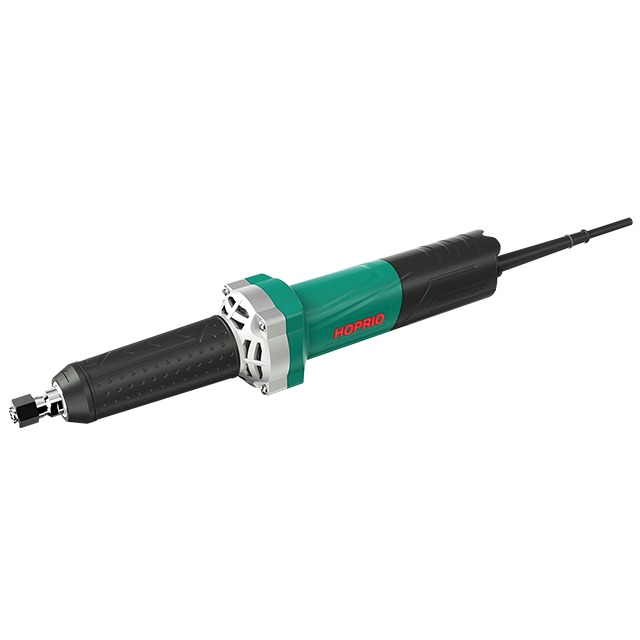
A straight grinder is a handheld power tool used for grinding, cutting, and polishing tasks. Unlike bench or surface grinders, it is portable and designed for precision work on smaller or hard-to-reach areas. It features a straight, elongated body with an abrasive wheel or attachment at the end, allowing users to maneuver it easily around workpieces.
The tool's compact design makes it ideal for detailed grinding jobs where larger machines cannot fit. It often uses different types of grinding wheels or discs, depending on the material and task. Straight grinders are popular in metal fabrication, automotive repair, and maintenance workshops.
Applications and Uses of Straight Grinders
Straight grinders serve many purposes across various industries:
● Grinding and Smoothing: They remove burrs, sharp edges, and excess material from metal parts.
● Cutting: With the right attachment, they can cut bolts, rods, or metal sheets.
● Polishing and Finishing: Used for surface preparation before painting or coating.
● Deburring: Clean up welds and seams on fabricated metal components.
● Sharpening: Ideal for sharpening tools in tight spaces.
Industries such as automotive repair, metalworking, and construction widely use straight grinders for their versatility and portability. For example, mechanics use them to smooth engine parts or cut exhaust pipes in confined spaces.
Safety Tips and Best Practices
Using a straight grinder safely is crucial due to its high-speed rotating parts. Follow these guidelines to minimize risks:
● Wear Protective Gear: Always use safety goggles, gloves, and hearing protection.
● Secure the Workpiece: Clamp or hold the material firmly to prevent slipping.
● Check the Wheel: Inspect grinding wheels for cracks or damage before use.
● Use the Correct Wheel: Match the wheel type and grit size to the material.
● Maintain a Firm Grip: Hold the grinder securely with both hands to control movement.
● Avoid Loose Clothing: Prevent entanglement by wearing fitted clothes and tying back long hair.
● Work in a Well-Ventilated Area: Grinding produces dust and sparks; ensure proper ventilation.
● Follow Manufacturer Instructions: Adhere to guidelines for speed limits and tool maintenance.
Regular maintenance, such as cleaning and replacing worn parts, extends the tool's lifespan and ensures consistent performance.
Always select the appropriate grinding wheel for your straight grinder to enhance safety and achieve optimal results.
Conclusion
The article discusses four types of grinding machines: surface, cylindrical, tool and cutter, and bench grinders. Each serves different purposes, from creating flat surfaces to sharpening tools. Selecting the right grinder is crucial for efficiency and precision. Grinding machines are essential in various industries, including automotive and aerospace. HOPRIO offers advanced grinding solutions, enhancing productivity and ensuring high-quality results. Their products stand out for their precision and versatility, making them a valuable asset in any workshop or manufacturing setting.
FAQ
Q: What is a Straight Grinder used for?
A: A Straight Grinder is used for grinding, cutting, and polishing tasks, especially in tight or hard-to-reach areas.
Q: How does a Straight Grinder differ from a bench grinder?
A: Unlike bench grinders, Straight Grinders are portable and designed for precision work on smaller surfaces.
Q: Why are Straight Grinders popular in metalworking?
A: Straight Grinders are favored for their versatility and ability to perform detailed grinding, cutting, and polishing in metalworking.
Q: What safety tips should I follow when using a Straight Grinder?
A: Wear protective gear, secure the workpiece, check the wheel, and maintain a firm grip to ensure safe use of a Straight Grinder.


