Angle grinders are versatile tools widely used for cutting, grinding, and polishing various materials. However, not all materials are suitable for cutting with an angle grinder. Understanding the limitations of this powerful tool is crucial for ensuring safety and achieving optimal results. In this article, we will explore the types of materials that should be avoided when using an angle grinder, highlighting the risks and challenges associated with cutting unsuitable substances.
Understanding the Angle Grinder
Basic Components and Functionality
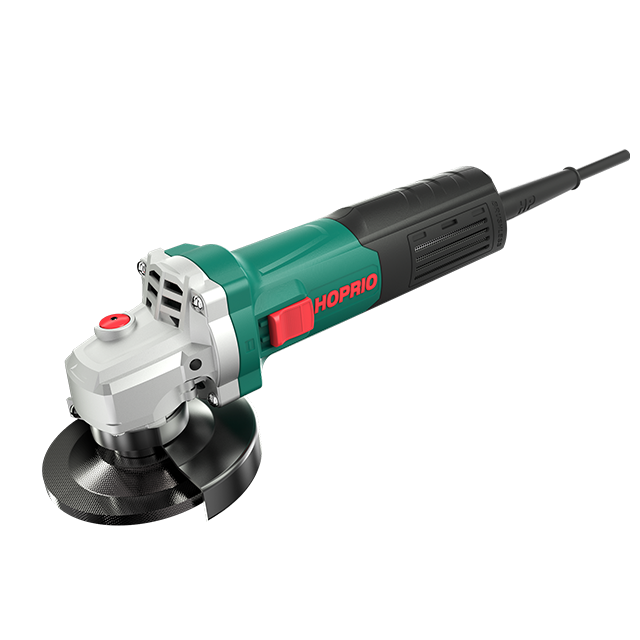
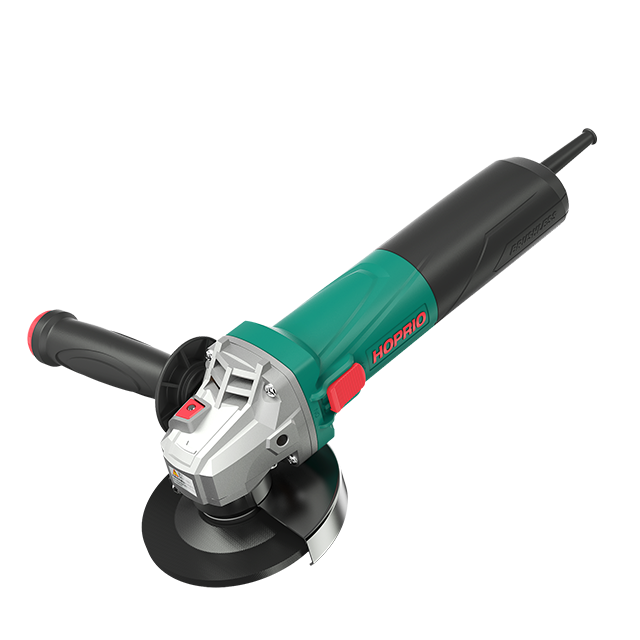
An angle grinder is a handheld power tool designed for cutting, grinding, and polishing. Its core parts include:
● Motor: Converts electrical or battery energy into spinning power.
● Spindle and Gearbox: Transfers motor power to the disc, controlling speed and torque.
● Disc or Wheel: The cutting or grinding surface, interchangeable depending on the task.
● Guard and Handles: Provide safety and control during use.
The spinning disc can rotate at high speeds, enabling it to cut through or grind various materials. However, the tool’s effectiveness depends on the disc type and the material being worked on.
Types of Angle Grinders: Corded vs Cordless
Angle grinders come in two main types:
● Corded Models: Plug into a power outlet, delivering consistent, high power. Best for heavy-duty or long-duration tasks.
● Cordless Models: Powered by rechargeable batteries, offering portability and convenience. Suitable for lighter or medium tasks but may have limited runtime or power compared to corded versions.
Choosing between corded and cordless depends on your work environment and the intensity of the job.
Common Uses of Angle Grinders
Angle grinders are versatile and used in many settings. Typical applications include:
● Cutting Metal: Steel rods, aluminum sheets, copper pipes.
● Masonry Work: Cutting concrete blocks, bricks, tiles.
● Surface Preparation: Grinding welds, smoothing rough edges.
● Polishing and Sanding: Finishing metal or stone surfaces.
The right disc makes a big difference. For example, thin abrasive discs cut metal cleanly, while diamond-tipped wheels handle masonry.
Always match the grinder type and disc to your material and task for efficient, safe results.
Materials Commonly Cut by Angle Grinder
Metals: Steel, Aluminum, Copper
Angle grinders excel at cutting various metals. Steel, aluminum, and copper are among the most common metals worked on.
● Steel: Used widely in construction, fabrication, and automotive industries. Thin steel sheets and rods are easily cut using abrasive cutting discs.
● Aluminum: Lightweight and softer than steel, aluminum sheets and pipes cut smoothly with the right disc.
● Copper: Often found in plumbing and electrical work, copper pipes and sheets are manageable with an angle grinder.
Choosing the correct cutting disc is essential. Thin discs provide clean cuts on metals, while thicker discs are better for grinding or shaping. Using a disc not suited for the metal type can cause inefficient cuts and wear out the tool quickly.
Masonry and Stone: Concrete, Brick, Tile
Angle grinders are also popular for cutting masonry and stone materials.
● Concrete: Blocks, slabs, and even reinforced concrete can be cut, usually with diamond-tipped blades designed for durability.
● Brick: Common in construction, bricks are cut cleanly with abrasive discs or diamond blades.
● Tile: Ceramic and porcelain tiles are often trimmed or shaped using diamond blades to avoid chipping.
These materials are harder and more abrasive than metals, so blades must be durable and designed to handle dust and debris. Proper cooling and dust control also help prolong blade life and improve safety.
Plastic and Composites: PVC, Fiberglass
Angle grinders can cut certain plastics and composite materials but require care.
● PVC: Pipes and sheets cut relatively easily but can melt if the blade speed is too high or pressure excessive.
● Fiberglass: Panels and sheets are cut with diamond or abrasive discs, but dust masks are necessary due to fine particles released.
● Other Composites: Materials like carbon fiber or layered composites can be cut but may need specialized blades to avoid fraying or damage.
Overheating is a common issue when cutting plastics, so using moderate speed and steady pressure is key. Protective equipment is also crucial to avoid inhaling hazardous dust.
Always select the right disc type and speed for the material to ensure clean cuts, prolong blade life, and maintain operator safety when using an angle grinder.
Materials That Cannot Be Cut by Angle Grinder
Glass and Ceramics: Risks and Challenges
Glass and ceramics are brittle materials prone to shattering when cut improperly. Angle grinders spinning at high speeds can cause sudden breaks, sending sharp shards flying. This creates serious injury risks to operators and bystanders. While diamond blades exist for glass and ceramic tiles, even these require careful handling and steady control to prevent cracks or chips. Without the right blade or technique, cutting these materials is unsafe and inefficient.
Hardened Steel and Titanium: Limitations
Hardened steel and titanium are extremely dense and tough metals. Most standard angle grinders lack the power or the correct blades to cut through them effectively. Trying to cut these materials with a regular grinder often leads to rapid disc wear or breakage. The motor can overheat, causing damage or failure. Cuts tend to be uneven and unsafe, making the task impractical without specialized equipment and high-quality, hardened cutting discs designed for such metals.
Thick Metal Plates: Feasibility Issues
Angle grinders can struggle with very thick metal plates, such as heavy steel or aluminum slabs. Cutting through thick sections often requires multiple passes, which can overheat the tool and the disc. This not only reduces tool life but also increases the risk of accidents. Industrial-grade cutting tools or plasma cutters are better suited for thick metals. Using an angle grinder for these tasks is inefficient and can lead to poor-quality cuts or tool damage.
Hazardous Materials: Safety Concerns
Materials that are flammable, explosive, or chemically reactive must never be cut with an angle grinder. Sparks generated during cutting can ignite gases, vapors, or flammable liquids, causing fires or explosions. Examples include pressurized gas cylinders, solvent-soaked materials, or sheets coated with flammable resins. Always verify the material’s safety before cutting. If in doubt, consult safety data sheets or experts to prevent dangerous accidents.
Always assess material type and condition before cutting to avoid tool damage, injury, and poor results when using an angle grinder.
Risks of Cutting Unsuitable Materials
Using an angle grinder on materials it cannot safely cut can cause serious problems. These risks affect both the tool and the operator, making it crucial to know when not to use the grinder.
Blade or Disc Failure
Cutting the wrong material can cause the blade or disc to break or shatter. For example, brittle materials like glass or ceramics can cause sudden disc failure. When a disc breaks apart, sharp fragments fly off at high speed, posing a severe injury risk. Even hardened metals can wear down or crack discs quickly, leading to unexpected failure. Always use the right disc type for the material to avoid accidents.
Tool Damage and Overheating
Angle grinders are designed to work within certain limits. Trying to cut very hard or thick materials can overload the motor. This causes overheating, which may damage the motor, gearbox, or battery. Overheated tools lose power and can fail permanently. Repeated stress shortens the tool’s lifespan and may void warranties. Protect your investment by avoiding unsuitable materials.
Safety Hazards: Kickback and Sparks
Improper cutting often leads to kickback, where the grinder jerks violently toward the user. Kickback can cause loss of control and serious injuries. Cutting materials that generate excessive sparks, such as certain metals, increases fire risks, especially near flammable substances. Flying debris and sparks can injure eyes or skin. Wearing proper safety gear and ensuring a clean workspace helps reduce these dangers.
Poor Quality Cuts: Inefficiency and Waste
Even if the grinder manages to cut the material, the results may be unsatisfactory. Cuts can be rough, uneven, or incomplete, wasting time and materials. For example, thick metal plates may require multiple passes, causing tool strain and poor finish. Low-quality cuts often need rework, increasing project costs and delays. Using the correct tool and disc ensures cleaner, more efficient cutting.
Always match your angle grinder disc to the material type and thickness to prevent tool damage, ensure safety, and achieve clean cuts.
Alternative Tools for Cutting Resistant Materials
Diamond Blades for Glass and Ceramics
When cutting glass or ceramics, standard angle grinder discs often fail due to the brittle nature of these materials. Diamond blades are the preferred choice here. They have tiny diamond particles embedded on the edge, making them extremely hard and able to cut through tough, fragile surfaces without causing cracks or shattering. Diamond blades also provide cleaner, smoother cuts on glass and ceramic tiles.
However, using diamond blades requires steady hands and a slow, controlled cutting speed. Water cooling is often recommended to reduce heat and dust, which helps extend blade life and improve safety. Without proper technique, even diamond blades can cause chips or fractures.
High-Powered Grinders for Hardened Metals
Hardened steel and titanium are dense, tough metals that standard angle grinders struggle to cut. For these materials, high-powered grinders equipped with specialized cutting discs are necessary. These discs are often made from materials like tungsten carbide or have diamond grit designed for metal cutting.
High-powered grinders deliver more torque and maintain cutting speed under heavy loads, preventing overheating and disc wear. They can handle tougher metals more efficiently and safely. Using low-power grinders on hardened metals risks tool damage and poor cuts.
Industrial Equipment for Thick Plates
Cutting thick metal plates requires more than a handheld angle grinder. Industrial equipment such as plasma cutters, oxy-fuel torches, or heavy-duty band saws are better suited for this job. These machines cut through thick steel or aluminum plates quickly and with precision.
Industrial cutters reduce the risk of overheating and tool failure common with angle grinders on thick materials. They also provide cleaner edges and reduce the need for rework. For large-scale or frequent cutting of thick plates, investing in industrial-grade tools is a smart choice.
Safety Measures for Hazardous Materials
Materials that are flammable, explosive, or chemically reactive pose serious risks during cutting. Angle grinders produce sparks that can ignite these substances. For safety:
● Avoid cutting pressurized gas cylinders or containers with flammable liquids.
● Use non-sparking tools or specialized cutting methods for hazardous materials.
● Ensure proper ventilation and keep fire extinguishing equipment nearby.
● Consult material safety data sheets (MSDS) before starting work.
When in doubt, seek expert advice to select safe cutting methods and tools.
Always match your cutting tool and blade type to the material's hardness and safety requirements to ensure efficient, safe, and precise cuts.
Conclusion
Angle grinders cannot cut materials like glass, ceramics, hardened steel, titanium, thick metal plates, and hazardous substances due to risks like blade failure, tool damage, and safety hazards. Proper tools and techniques are essential for safe and efficient cutting. For reliable angle grinders and expert guidance, consider products from HOPRIO. Their tools are designed for precision and safety, offering valuable solutions for various cutting needs.
FAQ
Q: What materials cannot be cut by an angle grinder?
A: Angle grinders struggle with materials like glass, ceramics, hardened steel, titanium, thick metal plates, and hazardous materials due to brittleness, density, and safety risks.
Q: Why can't an angle grinder cut through hardened steel?
A: Hardened steel is extremely dense, and most standard angle grinders lack the power or correct blades, leading to rapid disc wear or breakage.
Q: How do diamond blades help when using an angle grinder?
A: Diamond blades, used with angle grinders, cut through tough, brittle surfaces like glass and ceramics without causing cracks or shattering.
Q: What safety measures should be taken when using an angle grinder?
A: Use proper discs, wear protective gear, ensure a clean workspace, and avoid cutting flammable or explosive materials to prevent accidents.


