Grinders play a crucial role in welding, providing the precision and control needed for various tasks. From cleaning weld seams to preparing metal surfaces, these tools are essential for achieving high-quality results. Among the different types of grinders, straight grinders stand out for their ability to access tight spaces and deliver detailed work. This article explores the features, applications, and benefits of grinders in welding, helping you choose the right tool for your projects.
Understanding the Straight Grinder
Definition and Features of Straight Grinders
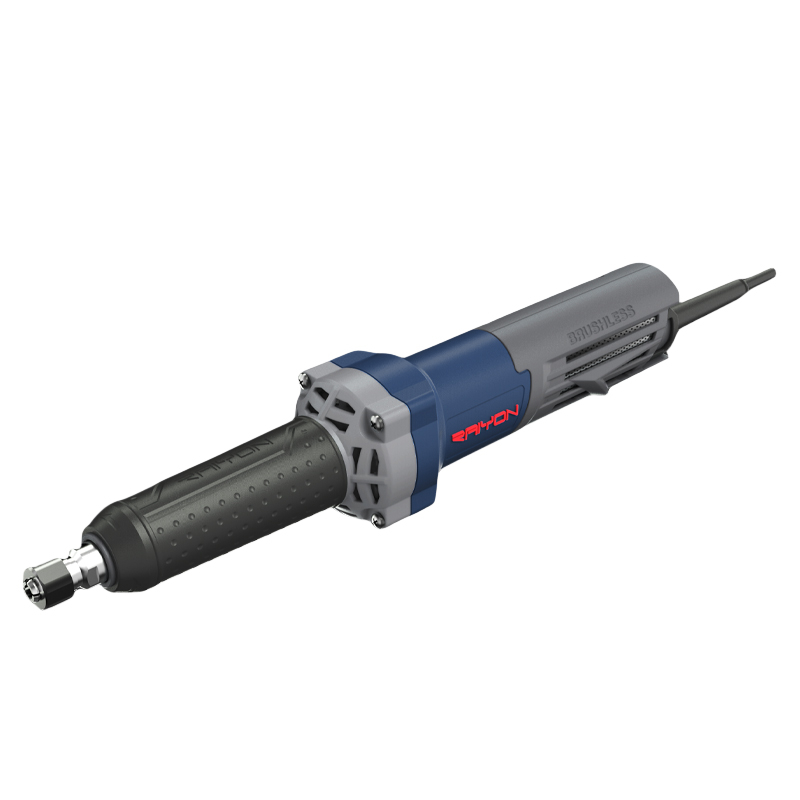
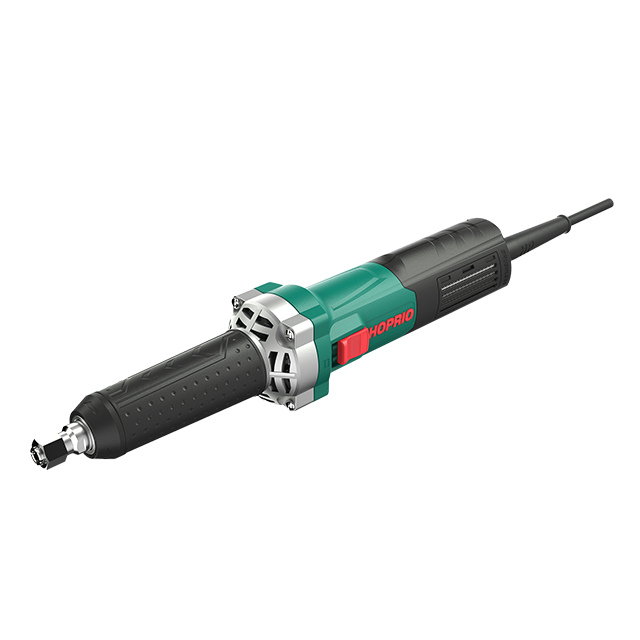
A straight grinder is a handheld power tool designed for grinding and polishing metal surfaces. Unlike angle grinders, the grinding wheel aligns straight with the tool's body, allowing precise access to tight spots and hard-to-reach areas. This design makes it ideal for detailed work where control and accuracy matter.
Key features include:
● Straight, slim body for easy handling and maneuvering
● High-speed motor that spins the grinding wheel rapidly
● Interchangeable grinding wheels or discs suited for various tasks
● Compact size for working in confined spaces
Because of its shape, the straight grinder provides excellent control, especially when grinding weld seams or preparing metal for welding.
Applications in Welding
Straight grinders serve several important roles in welding:
● Cleaning weld seams: Removing slag, spatter, and oxidation to ensure a clean surface
● Shaping and smoothing welds: Refining weld beads for a neat finish
● Preparing metal surfaces: Removing rust, paint, or mill scale before welding
● Sharpening electrodes: Some models help prepare tungsten electrodes for TIG welding
Its slim profile allows welders to work inside narrow joints or pipes where larger grinders can't fit. This makes it a valuable tool for precision tasks and finishing work.
Comparison with Other Types of Grinders
Compared to angle grinders, straight grinders offer:
Feature | Straight Grinder | Angle Grinder |
Grinding wheel angle | Inline with tool body | Perpendicular (90 degrees) |
Best for | Precision work, tight spaces | Versatile, general grinding/cutting |
Size and weight | Slim, lightweight | Bulkier, heavier |
Control | High control for detailed tasks | Good for broad surface grinding |
Common applications | Weld seam finishing, electrode prep | Cutting, heavy grinding, surface prep |
While angle grinders are more common for general welding tasks, straight grinders excel in detailed, delicate work. They complement angle grinders by providing access and control where larger tools fall short.
Choose a straight grinder when precision and access to tight spots are critical for your welding projects.
Selecting the Right Grinder for Welding
Factors to Consider When Choosing a Grinder
Picking the right grinder for welding depends on several key factors. First, consider the type of welding you do and the tasks you need the grinder for. For example, if you often work on tight spaces or need precise control, a straight grinder might be best. For general cutting, grinding, and polishing, an angle grinder is more versatile.
Next, think about the grinder’s motor power. Higher power means it can handle tougher metals and longer use without slowing down. However, more power usually means a heavier tool, which might cause fatigue during extended work.
The grinder’s size and disc compatibility also matter. Smaller discs (like 4.5-inch) offer better control for detailed work, while larger discs (7-inch or 9-inch) cover more surface quickly, ideal for bigger projects.
Speed settings are another consideration. Some grinders offer adjustable speeds, allowing you to match the tool’s speed to the task and material. This helps prevent overheating and damage to the metal.
Ergonomics and safety features are critical too. Look for grinders with comfortable grips, anti-vibration handles, and safety guards to protect you from sparks and debris. A lightweight design reduces strain and improves precision.
Lastly, consider whether you want a corded or cordless grinder. Corded models provide continuous power, great for heavy-duty jobs. Cordless grinders offer portability and convenience, perfect for jobs without easy access to power outlets.
Budgeting for Your Welding Tools
Budget plays a big role in your choice. Welding grinders range from affordable models for beginners to high-end professional tools. While it’s tempting to go for the cheapest option, investing in a quality grinder often pays off in durability and performance.
Set a budget that balances cost and features. If you weld regularly or professionally, spending more on a reliable, powerful grinder makes sense. For occasional hobby use, a mid-range model with basic features might suffice.
Remember to budget for accessories too — different grinding discs, safety gear, and replacement parts. These add to overall costs but are necessary for safe and efficient work.
Popular Brands and Models
Several brands stand out for their quality and reliability in welding grinders. Here are a few popular choices:
Brand | Model Example | Features |
DeWalt | 4.5-Inch Angle Grinder | Lightweight, powerful motor, durable |
Makita | 7-Inch Angle Grinder | Adjustable speed, ergonomic design |
Bosch | 4.5-Inch Angle Grinder | Compact, high RPM, good safety features |
Milwaukee | Cordless Angle Grinder | Brushless motor, long battery life |
YESWELDER | Tungsten Electrode Grinder | Precision sharpening, dust cover |
These brands offer a range of grinders suitable for beginners to pros. When choosing, check user reviews, warranty terms, and available support.
Prioritize grinders that balance power, size, and safety features to match your welding needs and budget effectively.
Key Features of an Effective Welding Grinder
High RPM and Adjustable Speed Settings
A welding grinder’s speed, measured in revolutions per minute (RPM), plays a crucial role in its performance. High RPM means the grinding wheel spins faster, allowing you to remove material quickly and efficiently. For welding tasks, many grinders operate between 10,000 to 15,000 RPM, which is ideal for smoothing welds or cutting metal.
Adjustable speed settings add versatility. Different metals and tasks require different speeds. For example, softer metals like aluminum need slower speeds to avoid overheating, while harder metals like steel benefit from faster grinding. Being able to adjust the speed helps prevent damage to the metal and extends the life of your grinder’s discs.
Ergonomic Design and Safety Features
Using a grinder for long periods can cause fatigue, so ergonomic design matters. Look for grinders with comfortable, cushioned grips that reduce vibration. Anti-vibration handles help prevent hand strain and improve control. A well-balanced tool also makes it easier to handle precision work without slipping.
Safety features are essential. Most welding grinders include protective guards to shield your hands from sparks and debris. Some models have automatic shut-off switches or lock-on buttons to prevent accidental starts. Lightweight designs reduce user fatigue, while safety switches and guards improve overall protection.
Versatile Disc Compatibility
A good welding grinder should accept a variety of discs. Different discs serve different purposes:
● Abrasive discs: For general grinding and metal removal.
● Flap discs: Great for smoothing and finishing welds with less dust.
● Diamond discs: Used for cutting hard materials like stainless steel or concrete.
● Cut-off discs: Thin discs designed for precise cutting tasks.
Being able to switch discs easily lets you use one grinder for multiple welding jobs. This versatility saves money and space in your toolkit.
Choose a welding grinder that offers adjustable speeds, ergonomic comfort, and supports multiple disc types for the best balance of power, control, and versatility in your welding projects.
Motor Power and Performance
Impact of Motor Power on Grinding Efficiency
Motor power plays a crucial role in a welding grinder’s performance. It determines how much torque the grinder can deliver, which affects how efficiently it removes metal. A more powerful motor means the grinder can handle tougher metals like steel or stainless without slowing down or stalling. This results in faster grinding and smoother finishes.
For example, a grinder with a 7-amp motor will generally grind metal faster and more consistently than one with a 4-amp motor. This is because it can maintain higher speeds under load, reducing the time needed for weld preparation or cleanup. High motor power also allows the tool to work longer without overheating, which is important for heavy-duty or professional welding jobs.
Choosing the Right Motor Power
Selecting motor power depends on your welding tasks. For light to medium work, such as hobbyist projects or thin metals, a motor between 4 to 7 amps is often sufficient. These grinders are lighter and easier to handle, reducing fatigue during extended use.
For industrial or heavy-duty welding, choose grinders with motors rated 9 amps or higher. These powerful motors tackle thick metals and large welds efficiently. Keep in mind, however, that higher power usually means a heavier tool, so balance power needs with comfort.
Cordless grinders often have brushless motors, offering good power with longer battery life. While they may not match the continuous power of corded models, they provide excellent portability for fieldwork.
Safety Considerations
Using a grinder with the right motor power also ties into safety. Underpowered grinders may struggle and overheat, increasing the risk of motor failure or accidents. Overpowered grinders can be harder to control, especially for beginners, which might lead to slips or injuries.
Always ensure your grinder has thermal overload protection to prevent motor burnout. Use safety guards and wear personal protective equipment (PPE) to shield against sparks and debris. Follow the manufacturer’s guidelines on motor capacity and recommended disc sizes to avoid dangerous situations.
Match your grinder’s motor power to your welding needs—opt for higher amps for heavy metals and large projects, but choose lighter motors for precision and comfort during detailed work.
Disc Size and Type for Welding Applications
Common Disc Sizes: 4.5-Inches to 9-Inches
When choosing a disc for welding grinders, size matters a lot. The most common sizes range from 4.5 inches up to 9 inches. Smaller discs, like 4.5 inches, offer great control and maneuverability. They fit tight spaces and are perfect for detailed grinding or cutting jobs. Larger discs, such as 7 inches or 9 inches, cover more surface area and remove material faster. These are ideal for bigger projects or heavy-duty grinding.
A 5-inch disc strikes a balance between size and versatility, often used for medium-sized tasks. The right size depends on your project demands, access space, and grinder compatibility. Using the correct disc size ensures safety and efficient performance.
Types of Discs: Abrasive, Flap, Diamond
Different discs serve different purposes in welding:
● Abrasive Discs: Made from materials like aluminum oxide or zirconia, these discs are great for general grinding, shaping welds, or removing rust and paint. They wear down relatively fast but are cost-effective for many tasks.
● Flap Discs: These discs have overlapping abrasive flaps that provide a smoother finish than abrasive discs. They’re excellent for blending welds and polishing metal surfaces, producing less dust and heat during use.
● Diamond Discs: Embedded with diamond particles, these discs are highly durable and cut through hard materials like stainless steel or concrete. They last longer but cost more upfront, making them suitable for tough cutting jobs.
● Cut-off Discs: Thin and designed specifically for cutting metal or other materials, these discs allow precise cuts without removing extra material.
Choosing the right disc type depends on the welding material, task complexity, and finish quality desired.
Choosing the Right Disc for Your Project
To select the best disc:
1. Match Disc Size to Grinder: Check your grinder’s specifications to ensure it supports the disc size you want.
2. Consider Material Type: Harder metals may need diamond or flap discs, while softer metals work well with abrasive discs.
3. Task Requirements: For heavy grinding, abrasive discs work well. For finishing, flap discs are better. For cutting, use cut-off or diamond discs.
4. Project Scale: Use smaller discs for precision work and larger discs for faster material removal.
5. Safety and Compatibility: Always use discs rated for your grinder’s RPM and follow manufacturer guidelines.
Using the right disc improves efficiency, finish quality, and safety during welding preparation or cleanup.
Always select a disc size and type that matches your grinder’s capacity and your welding task to maximize performance and safety.
Maintaining Your Welding Grinder
Regular Cleaning and Inspection
Keeping your welding grinder clean is key to its long life and steady performance. After each use, remove metal dust, debris, and grime that can clog the motor or wear down parts. Use a brush or compressed air to clear vents and surfaces gently. Dirt buildup can cause overheating and reduce efficiency.
Regularly inspect your grinder for damage. Check the power cord for cuts or frays, and ensure the switch works smoothly. Look over the grinding wheel or disc for cracks, chips, or excessive wear. Replace worn or damaged discs immediately to avoid accidents. Also, verify that guards and safety features are intact and functioning properly. A quick inspection before every use helps catch problems early.
Proper Storage Techniques
Store your welding grinder in a dry, cool place to prevent rust and corrosion. Avoid damp or humid areas that can damage electrical components and metal parts. Use a sturdy case or toolbox to protect it from dust and accidental impacts.
Keep your grinder away from flammable materials since sparks can ignite them. Ideally, hang it on a wall hook or place it on a shelf rather than leaving it on the floor. If your grinder has removable discs, store them separately in labeled containers to prevent damage and mix-ups.
Safety Checks and Precautions
Before starting work, perform safety checks on your grinder. Confirm the grinding disc is securely mounted and the guard is properly positioned. Test the tool briefly to ensure it runs smoothly without unusual noises or vibrations.
Always wear personal protective equipment (PPE) such as safety goggles, gloves, and hearing protection during use. Follow manufacturer instructions for maintenance and replacement parts. Never bypass safety features or remove guards.
Keep your workspace clean and well-ventilated to reduce dust and fumes. Disconnect the grinder from power before changing discs or performing maintenance. Regularly check for overheating during use and allow the tool to cool down if needed.
Schedule routine cleaning and safety inspections for your welding grinder to maintain peak performance and prevent costly repairs.
Safety Measures When Using a Welding Grinder
Personal Protective Equipment (PPE)
Using a welding grinder without proper personal protective equipment (PPE) can lead to serious injuries. Always wear safety goggles or a full face shield to protect your eyes and face from flying sparks, metal shards, and grinding dust. Gloves are essential to shield your hands from heat and sharp edges. Hearing protection, like earplugs or earmuffs, guards your ears against loud grinding noise, which can cause hearing loss over time. Wearing a long-sleeve shirt and pants made of flame-resistant material helps prevent burns from sparks.
Respiratory protection is also important, especially in enclosed spaces. Grinding produces fine dust and metal particles that can harm your lungs. Use a dust mask or respirator suited for metal fumes to keep your airways safe.
Ensuring a Safe Work Environment
A clean, organized workspace reduces accident risks. Clear away clutter, flammable materials, and tripping hazards near your grinding area. Sparks can ignite flammable liquids, rags, or paper, so keep these well away.
Good lighting helps you see clearly and avoid mistakes. Ensure your workbench or grinding station is stable and secure to prevent slips or tool drops.
Proper ventilation is vital. Grinding releases dust and fumes that can accumulate quickly. Use exhaust fans or open windows to maintain fresh air flow and reduce inhalation risks.
Keep unauthorized people and bystanders out of the grinding area. Set up physical barriers or warning signs if needed to prevent distractions or accidental injury.
Manufacturer’s Guidelines and Instructions
Every welding grinder comes with specific instructions and safety recommendations from its manufacturer. Read these carefully before using the tool. They explain proper operation, maintenance, and safety features unique to your grinder model.
Follow the recommended speed limits for grinding discs to avoid wheel breakage or accidents. Always use discs rated for your grinder’s RPM. Never remove or bypass safety guards designed to protect you from sparks and debris.
When changing discs or performing maintenance, unplug the grinder to prevent accidental starts. Regularly inspect your grinder for damage or wear, and replace any faulty parts promptly.
Using the grinder as intended and respecting manufacturer guidelines not only protects you but also extends the tool’s life and performance.
Always wear full personal protective equipment and maintain a clean, well-ventilated workspace to ensure safe welding grinder operation.
Conclusion
Grinders are vital tools in welding, offering precision and control for detailed tasks. Selecting the right grinder involves considering factors like motor power, disc size, and type. Prioritizing safety and proper maintenance ensures effective use and extends tool life. HOPRIO provides high-quality grinders with unique features that enhance your welding projects. Their products offer exceptional value through durability and performance, supporting safe and efficient welding operations. Always use personal protective equipment and follow manufacturer guidelines for optimal results.
FAQ
Q: What is a straight grinder used for in welding?
A: A straight grinder is used for precision tasks like cleaning weld seams, shaping welds, and preparing metal surfaces for welding.
Q: How does a straight grinder differ from an angle grinder?
A: A straight grinder has a grinding wheel aligned with the tool body, offering better control in tight spaces compared to the perpendicular wheel of an angle grinder.
Q: Why choose a straight grinder for welding?
A: Choose a straight grinder for its high control and ability to access tight spots, making it ideal for detailed welding work.
Q: What are the benefits of using a straight grinder?
A: Benefits include precise control, access to confined spaces, and versatility in tasks like electrode sharpening and weld finishing.
Q: How do I troubleshoot issues with my straight grinder?
A: Inspect for worn discs, check power connections, and ensure safety features are intact. Regular maintenance prevents common issues.


