When it comes to power tools, few are as versatile and widely used as the angle grinder. Known for its ability to cut, grind, polish, and sand, it has become a staple in workshops, construction sites, garages, and even home DIY setups. But not all angle grinders are the same. One of the most valuable variations is the variable speed angle grinder, which gives the operator greater control over speed, precision, and safety.
Choosing the best variable speed angle grinder, however, is not always straightforward. With so many options available, ranging from professional-grade tools to budget-friendly models, buyers need to understand what to look for before making an investment. The right grinder can save you time, money, and effort, while the wrong choice may lead to frustration or even safety risks.
This article will guide you through everything you need to know to choose the best variable speed angle grinder for your projects. We will cover why variable speed matters, the key features to evaluate, considerations for specific applications, and practical buying tips that professionals and DIY enthusiasts alike can use.
Why Variable Speed Matters
Traditional angle grinders operate at a fixed speed, usually between 9,000 and 12,000 revolutions per minute (RPM). While this is fine for heavy-duty cutting or grinding, it is not ideal for every task. Different materials and applications require different speeds.
Metal Cutting and Grinding: High speeds are often required to cut through tough steel or grind down welds efficiently.
Polishing and Finishing: Lower speeds are critical when polishing stone, wood, or metal to avoid overheating, burning, or damaging the surface.
Masonry Work: Cutting tiles or stone often requires a balance between speed and control to prevent cracks and dust overload.
With variable speed control, you can adapt the tool to the material. This versatility makes the grinder not only more effective but also safer and more cost-efficient.
Key Features to Consider
When shopping for a variable speed angle grinder, it’s important to pay attention to several critical features. Each plays a role in determining how well the tool will perform for your needs.
1. Power and Motor Size
Power is usually measured in amps for corded grinders or volts for cordless ones. A stronger motor allows for smoother operation under heavy loads. For professional use, grinders with 7 to 10 amps (corded) or 18 to 20 volts (cordless) are often preferred. Smaller, less powerful models may be suitable for lighter DIY tasks but may struggle with dense materials like concrete or stainless steel.
2. Speed Range and Control
The hallmark of a variable speed grinder is its RPM range. Look for grinders that offer a wide range, ideally from 2,000 to 12,000 RPM. This ensures that you can use the same tool for delicate polishing tasks and heavy-duty cutting. Also, check how the speed is adjusted—some models use a dial, while others use electronic controls for smoother transitions.
3. Disc Size
The most common sizes are 4.5-inch, 5-inch, and 7-inch discs. Smaller discs are more maneuverable and better for precision, while larger discs cover more area and are suited for heavy-duty tasks. Consider the type of work you will do most often before choosing the size.
4. Weight and Ergonomics
A grinder should feel comfortable in your hand, especially if you will use it for long periods. Lightweight models are easier to handle but may lack power. Heavier models offer strength but can cause fatigue. Look for ergonomic handles with vibration reduction features to improve comfort and control.
5. Safety Features
Safety should never be overlooked. Essential features include:
Adjustable safety guards to shield against sparks and debris.
Restart protection to prevent accidental startups after a power interruption.
Soft start technology for smoother power-up and better control.
Overload protection to safeguard the motor from overheating.
6. Durability and Build Quality
A good grinder should last through demanding projects. Look for models with reinforced gears, strong housings, and dust protection features. Since grinders are often used in dusty environments, a sealed design that prevents debris from entering the motor can extend its life.
7. Corded vs. Cordless
Corded grinders provide consistent power and are ideal for stationary or workshop use. Cordless grinders, powered by rechargeable batteries, offer mobility and convenience for on-site jobs or outdoor projects. Choosing between them depends on whether portability or uninterrupted power is more important for your work.
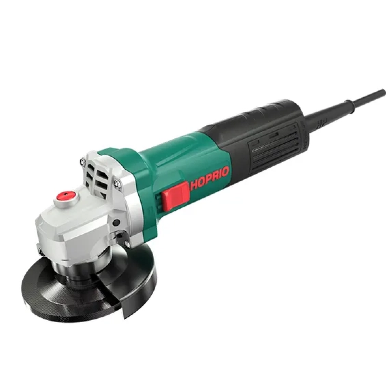
Matching the Grinder to Your Applications
Different projects demand different grinder features. Before choosing, think about how you will use the tool most frequently.
For Metalworking
Metalworkers often cut, grind, polish, and remove rust. A variable speed grinder with strong power, a wide speed range, and durable discs is ideal. Lower speeds are especially important for polishing stainless steel or aluminum to prevent heat damage.
For Construction
Construction professionals work with concrete, tiles, bricks, and stone. A grinder with a larger disc size and higher power is recommended. Variable speed ensures you can cut hard materials efficiently while polishing stone or removing mortar at slower speeds.
For Automotive and Mechanical Work
Automotive professionals need precision. A compact grinder with adjustable speeds is perfect for removing rust, cutting bolts, or polishing car body panels. Soft start and good ergonomics are especially useful in tight spaces.
For DIY and Woodworking
DIY enthusiasts need versatility. A mid-size grinder with a wide RPM range allows for woodworking, polishing, and light metal cutting. For wood projects, lower speeds help avoid burns or gouges. Cordless models are often convenient for home projects due to their portability.
Practical Tips for Buying the Best Variable Speed Angle Grinder
Set a Budget but Focus on Quality: While it may be tempting to buy a cheap grinder, investing in a quality model pays off in performance, safety, and longevity.
Check Compatibility with Accessories: Ensure the grinder fits standard discs, wheels, and attachments, so you don’t struggle to find replacements later.
Read Reviews and Recommendations: User feedback can reveal real-world strengths and weaknesses of specific models.
Test the Grip: If possible, hold the grinder before purchase to check comfort, balance, and ease of handling.
Consider Your Work Environment: For workshop use, corded models may be better. For fieldwork or mobile projects, cordless models provide freedom of movement.
Safety Considerations When Using a Variable Speed Grinder
Even the best grinder can be dangerous if not used correctly. Always follow these safety practices:
Wear safety goggles, gloves, ear protection, and a dust mask.
Ensure the disc speed rating matches the grinder’s RPM.
Keep both hands on the grinder during operation.
Avoid using damaged or worn discs.
Let the grinder reach full speed before applying it to the material.
Work in a well-ventilated area to minimize dust exposure.
Safety should always come first, especially when working with a high-speed power tool.
Long-Term Value of Choosing the Right Grinder
A variable speed angle grinder is not just another tool—it is an investment. The right grinder can serve you for years, adapting to various projects as your needs evolve. By choosing carefully, you save money on repairs, replacement discs, and even additional tools that would otherwise be required. Professionals especially benefit from improved efficiency and productivity, while DIY enthusiasts enjoy the ability to tackle a wider range of tasks with confidence.
Conclusion
Selecting the best variable speed angle grinder requires more than just picking a brand or size at random. It involves understanding your project needs, evaluating features such as power, speed range, safety, and ergonomics, and matching them to your specific applications. Whether you are a professional metalworker, construction worker, automotive mechanic, or a passionate DIYer, the right grinder can make your work easier, safer, and more precise.
By focusing on quality and functionality, you ensure that your investment pays off in the long run. The variable speed angle grinder stands out as one of the most adaptable tools on the market, and with the right choice, it can become a cornerstone of your toolkit.
For those seeking reliable and high-quality power tools, ChangZhou Hoprio E-Commerce Co., Ltd. offers dependable solutions designed to meet the needs of professionals and DIY users alike.


