It is a staggering job site reality that up to 80% of premature coating failures stem directly from inadequate prep work. Imagine pouring thousands of dollars into a premium industrial epoxy system. A few months later, you watch it peel away in massive sheets. Why does this happen? The system was applied over stubborn old paint or a poorly profiled slab. This catastrophic failure ruins the structural integrity of the project. It also wastes immense amounts of capital and grueling labor.
Chemical coatings do not magically bond to dense, smooth substrates. Achieving the perfect mechanical bond requires high-quality, professional-grade mechanical power. Manual scraping or harsh chemical etching simply will not cut it on modern commercial jobs. In this comprehensive guide, we will explore the fundamental engineering behind substrate profiling. We will demonstrate how upgrading your equipment transforms the workflow, saves countless hours, and guarantees flawless coating adhesion every single time.
Key Takeaways
Adhesion is Everything: Proper surface preparation creates the necessary microscopic texture—often called a profile—allowing industrial coatings, epoxies, and heavy-duty paints to lock permanently into the substrate.
Tool Quality Equals Job Quality: Utilizing professional-grade grinding equipment drastically reduces grueling labor time while ensuring a uniform, predictable finish across massive commercial spaces.
Specialized Equipment Matters: Matching the exact machine and abrasive to the specific stage of the job—from aggressive removal to precision smoothing—is the only way to meet strict manufacturer specifications.
Brushless Technology is the New Standard: Investing in modern AC brushless motor technology maximizes your return on investment through superior thermal management, zero carbon brush maintenance, and unwavering RPMs under immense pressure.
The Critical Role of Surface Preparation & Finishing in Coating Success
Industrial flooring and structural metalworking demand a resilient foundation. The final topcoat is only as durable as the concrete or steel beneath it. Surface preparation is not merely a preliminary housekeeping step. It is a strict engineering requirement that dictates the functional lifespan of any applied chemical system.
Understanding Surface Profiling: CSP and Metal Roughness
Chemical coatings require a microscopic texture, often referred to as an anchor pattern or tooth, to achieve a permanent mechanical bond. Concrete applications rely on the Concrete Surface Profile scale. The International Concrete Repair Institute developed this standard. The scale ranges from CSP 1—nearly flat, like glass—to CSP 10—extremely rough, resembling exposed aggregate.
Similarly, metal surfaces measure profile depth in mils, or thousandths of an inch, to determine the exact depth of the anchor pattern. Liquid coatings simply sit on top of the surface without this engineered roughness. They remain completely unable to seep into the pores and lock in as they cure.
To illustrate the critical relationship between the surface texture and specific coating requirements, reference the application table below:
| CSP Level | Surface Texture | Suitable Coating Thickness | Typical Application |
| CSP 1-2 | Nearly flat, slight texture | 0 - 3 mils | Sealers, thin films, light stains |
| CSP 3-4 | Light scarification | 4 - 15 mils | High-build epoxies, urethanes |
| CSP 5-6 | Medium texture | 15 - 50 mils | Self-leveling epoxies, polymer overlays |
| CSP 7-9 | Heavy texture, exposed aggregate | 50 - 250+ mils | Heavy-duty urethane mortars, thick trowel downs |
The Cost of Skipping Proper Prep Work
Failing to achieve the correct CSP rating inevitably leads to catastrophic coating failures. Leaving microscopic contaminants on the slab produces the exact same result. Common issues include delamination, where the coating peels up on the tires of a forklift. Pinholing, caused by outgassing from trapped air in unsealed pores, is another highly expensive defect. Aggressive rust bleed-through frequently destroys poorly prepped steel structures.
Furthermore, the financial consequences of these failures devastate contractors. You are forced to refund the client when a floor fails. You must purchase entirely new raw materials. You spend double the initial labor hours just grinding off your own failed coating to start from scratch. Ignoring industry standards instantly voids manufacturer warranties, leaving your business fully liable for the disaster.
Recent market analyses highlight a definitive shift in commercial construction standards. Facility owners and developers increasingly demand extended warranties and zero-VOC installations. This trend forces contractors to abandon outdated, unpredictable chemical etching methods. Precision mechanical profiling is now the strict baseline. In addition, aggressive OSHA regulations regarding respirable crystalline silica have made integrated dust-management grinding systems mandatory on modern job sites. Automated, high-efficiency mechanical prep is no longer a luxury; it is a prerequisite for winning lucrative industrial bids.
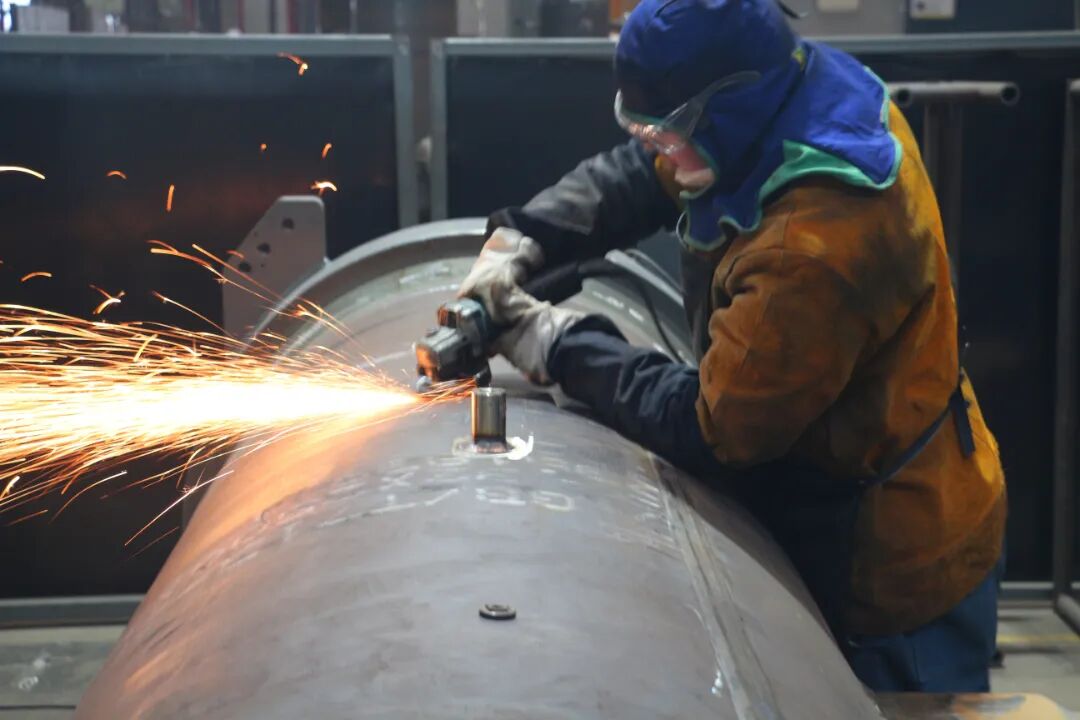
Why Professional Grinders Are the Ultimate Surface Preparation Tools
Achieving specific anchor patterns requires precise, sustained mechanical force. Underpowered consumer-grade hardware simply cannot produce the uniform consistency required for commercial applications. Upgrading to professional surface preparation tools becomes absolutely indispensable for protecting your bottom line.
Power and Consistency Under Load
Standard DIY tools notoriously suffer from severe voltage drops. Their RPMs fluctuate wildly the moment they are pressed hard against dense concrete or steel. The grinder bogs down under pressure. The operator naturally overcompensates. This creates an uneven, wavy surface. The tool gouges deeply into some areas while merely polishing adjacent spots. Inconsistent profiles lead directly to highly visible, uneven coating thicknesses.
In stark contrast, professional-grade grinders feature high-torque motors specifically designed to maintain unwavering RPMs. This sustained power ensures the abrasive tooling cuts perfectly evenly across the entire expanse of the floor, regardless of the downward pressure applied by the operator. You get a predictable and uniform profile every single time.
Versatility Across Materials
Unparalleled versatility is a major strategic advantage of premium equipment. A single high-quality power unit seamlessly transitions from leveling trip-hazard concrete slabs to stripping heavy rust from marine steel plates. You simply swap out the abrasive attachment. Equip the machine with aggressive diamond cup wheels for masonry. Switch to heavy-duty flap discs for metalwork. This adaptability makes professional grinders the most cost-effective solution for contractors handling diverse daily projects.
Tackling Tough Jobs: Maximizing Efficiency with a Paint Removal Grinder
The substrate must be completely cleared of all existing barriers before you can establish a pristine profile. Removing old, failing coatings remains the most grueling and labor-intensive phase of any renovation project.
Eradicating Old Epoxies, Mastics, and Urethanes
Thick carpet glues, mastics, and rubberized elastomeric membranes fight back against standard abrasive wheels. The intense friction generates immense heat. This melts the old adhesives into a sticky, molten mess. The material instantly smears across the concrete and glazes over the diamond segments, rendering the tool useless in minutes.
Seasoned professionals bypass this frustrating bottleneck. They deploy a dedicated paint removal grinder equipped with specialized Polycrystalline Diamond tooling. These aggressive edges literally slice and shear the thick coating away from the base material. The unique shearing action generates significantly less heat. It completely prevents the old epoxy from smearing, allowing for rapid, clean extraction down to the bare slab.
Preventing Surface Damage During Removal
PCDs are highly efficient, but they demand skilled operation. Applying excessive downward pressure causes the aggressive teeth to gouge deeply into the concrete. Running the machine at overly high speeds creates similar destruction. You end up wasting time and money on expensive patching compounds before pouring the new topcoat.
Operators must carefully balance the weight of the machine and manage the RPMs. The sole objective of this stage is removal, not profiling. Let the natural weight of the tool do the heavy lifting. Keep the grinder in constant, sweeping motion to strip away historical coatings without compromising structural integrity.
Achieving the Perfect Profile: Transitioning to Polishing Grinders and Finishing Tools
Operational focus shifts once the substrate is entirely clean. You must transition from aggressive removal tactics to highly controlled refinement. This creates the exact texture specified by the chemical manufacturer.
Smoothing and Leveling for Thin-Film Coatings
Deep, aggressive scratches left behind by removal tools will telegraph directly through thin-film urethanes or clear decorative sealers. This completely ruins the aesthetic finish. A polishing grinder is deployed to carefully refine the surface in these delicate scenarios.
The polishing phase smooths out deep gouges and levels the substrate into a tight canvas. Polishing in this context does not mean creating a high-gloss, mirror-like shine. Rather, it means systematically refining the scratch pattern to a specific depth. The thin liquid coating can then lay perfectly flat without highlighting the natural imperfections of the concrete.
Selecting the Right Finishing Tools and Abrasives
Flawless refinement relies entirely on the grit sequence. Operators step through a methodical series of diamond abrasives. A typical sequence starts with a 30-grit metal-bonded diamond to establish the baseline profile. You move up to a 50-grit. Finally, you finish with a 100-grit resin-bonded pad utilizing proper finishing tools to smooth out harsh micro-scratches.
Crucially, you must not over-polish the surface. Refining concrete to a 400-grit level or higher closes the surface pores entirely. The substrate becomes far too smooth. The new chemical coating will bead up and reject the bond. Abrasives must leave just enough inherent porosity to meet the required CSP rating.
Key Features to Look for in Industrial Surface Treatment Grinders
Purchasing the right equipment represents a significant capital investment for contracting business owners. Rigorously evaluating technical specifications ensures the tool actually withstands the brutal rigors of continuous job site use.
Brushless Motor Technology
Traditional power tools rely on physical carbon brushes to conduct electricity. These brushes generate immense friction and heat under heavy industrial use. They inevitably wear out, requiring frequent maintenance and eating into your profit margins with unexpected downtime.
Modern equipment utilized in rigorous industrial surface treatment relies heavily on advanced AC brushless motor technology. High-end units, often packing 1200W to 2000W of power, operate via intelligent electronic controllers. This innovative design eliminates internal friction and drastically reduces heat generation. Brushless grinders offer a significantly longer operational lifespan. They run continuously in harsh, dust-choked environments without ever suffering from thermal overload.
Variable Speed Control
A grinder locked into a single high-speed setting is severely handicapped. Variable speed control is an absolute mandatory feature for professional prep work.
Tearing up thick mastics requires high torque at low RPMs to prevent heat buildup and melting. Conversely, utilizing resin pads to refine the profile requires higher RPMs to achieve an even, sweeping scratch pattern. Advanced brushless tools incorporate constant-speed controllers. Adjustable speed dials allow operators to precisely calibrate performance, ensuring unwavering RPMs even when grinding through high-friction rubberized coatings.
Dust Collection and Ergonomics
Grinding masonry generates massive volumes of hazardous airborne particulates, including respirable crystalline silica. Strict OSHA compliance requires highly efficient dust management systems. Professional grinders must feature integrated, flexible dust shrouds with vacuum ports. These connect directly to heavy-duty HEPA extractors, capturing harmful dust directly at the source.
Ergonomics also play a massive role in overall job quality. Grinding is incredibly physically demanding. Tools engineered with anti-vibration handles and perfectly balanced weight distribution significantly reduce operator fatigue. A comfortable operator is much more likely to maintain a consistent grinding pattern, directly contributing to a superior final profile.
Step-by-Step Guide: Mastering Surface Preparation & Finishing
Achieving a flawless, ready-to-coat substrate requires a highly systematic approach. Skipping or rushing any phase exponentially increases the risk of coating delamination. Follow this standardized process to ensure consistency.
Step 1: Surface Assessment and Cleaning
Inspect the surface thoroughly for chemical contaminants before turning on a single grinder. Oils, grease, and industrial solvents will be driven deeper into the concrete pores if ground over. Heavy degreasing, chemical cleaning, and pressure washing must occur first, followed by a complete drying period.
Step 2: Aggressive Grinding and Coating Removal
Equip your grinder with aggressive 16 to 20-grit metal-bonded diamonds or PCDs. Systematically strip away all existing paints, adhesives, and the dusty top layer of new concrete until the solid bare substrate is fully exposed.
Step 3: Profiling and Repair
Assess the newly bared surface for structural cracks, spalls, or deep divots. Route out and fill these imperfections with compatible polyurea or epoxy patching compounds. Grind the repaired areas flush with the rest of the floor once the patch cures. Use a 30 to 40-grit diamond to establish the baseline CSP required by your specific coating manufacturer.
Step 4: Final Finishing
Switch to finer abrasives, such as 60 to 80-grit, to refine the scratch pattern. This critical step smooths out aggressive tool marks from the removal phase. It ensures the surface texture is uniform across the entire floor or metal structure, preventing the new coating from looking uneven.
Step 5: Final Debris Removal
Microscopic silica dust will remain settled on the surface even with the best dust shrouds. Sweeping is completely insufficient. Thoroughly vacuum the entire area with an industrial HEPA vacuum. The surface must be entirely free of dust residue before the liquid coating is mixed and applied. Otherwise, the epoxy will bond to the dust instead of the floor.
Maximize Your ROI with the Right Surface Preparation & Finishing Equipment
Time is your most expensive variable in the highly competitive commercial contracting industry. Attempting heavy-duty profiling with cheap, consumer-grade tools is a dangerous false economy. Inferior tools burn out quickly under the sustained stress of continuous grinding. This leads to constant replacement costs and embarrassing project delays.
More importantly, inadequate tools produce inconsistent surface profiles. This drastically increases the risk of a total coating failure. The financial burden of honoring a warranty claim far exceeds the cost of purchasing premium equipment initially.
Investing in professional brushless grinding equipment fundamentally alters your project economics. High-torque motors reduce labor hours by completing removal and profiling tasks in a fraction of the time. They extend the life of expensive diamond consumables by maintaining consistent RPMs. Most crucially, they virtually eliminate the financial devastation of coating rework. High-quality grinding equipment pays for itself after just a few successful, failure-free installations.
Conclusion
A flawless, mirror-like coating result is merely a reflection of the meticulous surface preparation and finishing that happened beforehand. Chemical adhesion relies entirely on the mechanical profile you create.
Equipping your crew with the right professional grinders ensures a strong, permanent bond and guarantees long-term client satisfaction. Utilizing advanced equipment prevents peeling, blistering, and the nightmare of expensive premature coating failures.
Do not let poor prep work ruin your next high-value installation. Upgrade your tool inventory with reliable, variable-speed brushless technology today, and elevate the quality, speed, and profitability of every project you undertake. For specific model configurations tailored to heavy-duty prep, explore the advanced brushless solutions at Hoprio to find the exact engineering match for your job site demands.
FAQ
Why is Surface Preparation & Finishing so important before applying a coating?
Surface preparation serves two critical functions. It removes physical barriers, such as oil, dirt, old paint, and rust, that block adhesion. It also creates a microscopic, engineered texture known as a profile. This rough profile provides the necessary teeth for the new industrial coating to mechanically bond to the substrate. Premium epoxies will inevitably blister, peel, and fail under everyday stress without this crucial step.
Can I use the same tool as a paint removal grinder and a polishing grinder?
Yes, provided you utilize a professional-grade grinder equipped with variable speed control. Removing thick, stubborn coatings requires lower speeds and high torque to prevent melting the material. Polishing and refining require higher speeds. A single high-quality tool effectively manages both ends of the preparation spectrum by simply adjusting the RPM dial and swapping aggressive PCD wheels for finer resin-bonded pads.
How do I know if my concrete is ready for epoxy?
Concrete is ready when it achieves the correct CSP rating specified by the coating manufacturer. It must also pass a moisture vapor transmission test and be entirely free of dust, oils, and existing sealers. A simple water drop test can confirm porosity; if water beads up on the surface instead of darkening and soaking in, the concrete is still too smooth and further grinding is required.
What is the difference between grinding and shot blasting?
Grinding utilizes rotating diamond abrasives to smooth surfaces, remove coatings, and create profiles up to CSP 3 or 4. It is generally preferred for thin-film epoxies where a smoother, flatter finish is critical. Shot blasting propels steel shot at high velocity against the floor. This creates a much more aggressive, heavily textured profile, typically CSP 4 to CSP 8, which is suitable for heavy trowel-down urethane mortars.
How does brushless technology improve industrial surface treatment tools?
Brushless motors utilize intelligent electronic controllers instead of physical carbon brushes to manage the current. This entirely eliminates internal mechanical friction. The advanced design allows the tools to run significantly cooler and deliver highly consistent torque, even when the operator presses hard against dense materials. Brushless tools require far less maintenance, boast a much longer operational lifespan, and are perfectly suited for the continuous, grueling demands of industrial surface profiling.


