Ever wondered how precise a mag drill really is? Magnetic drills are widely used in metalworking and construction for their precision and versatility. But, how accurate is a mag drill compared to traditional drilling methods? In this article, we’ll explore the importance of accuracy in mag drilling and why it’s crucial for various industries. You'll also learn how to ensure the best performance and whether a mag drill is the right tool for your next project.
Understanding Magnetic Drills and Their Accuracy
How Does a Mag Drill Work?
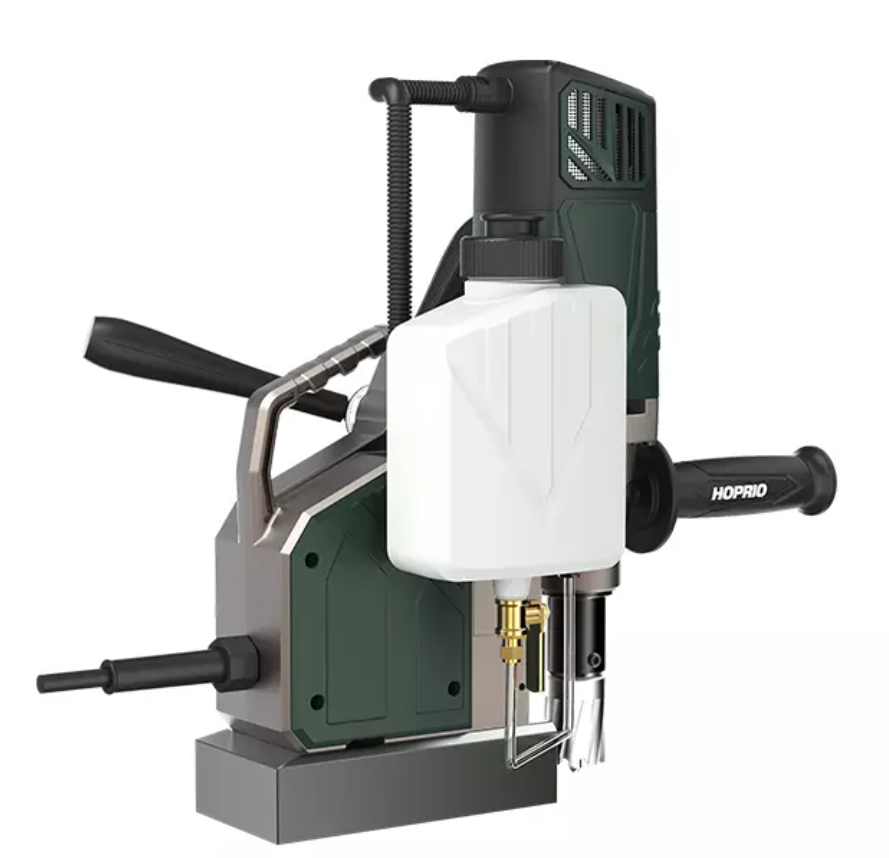
A magnetic drill, or mag drill, relies on a powerful magnetic base to stay firmly attached to a workpiece, typically made of steel or other ferrous metals. The core components of a mag drill include the magnetic base, motor, and drill bit.
The magnetic base generates strong magnetic forces, holding the drill steady during operation. This stability is essential for precise drilling, especially when working in positions like vertical or overhead drilling.
The motor powers the drill bit, which is the component that actually cuts into the material. The motor can be controlled for different speeds, allowing the user to adjust the drilling process according to the material and hole size.
The drill bit, often an annular cutter, is specially designed for efficient and precise cutting. These bits remove material in a way that produces cleaner holes with fewer burrs than traditional twist drills.
Factors Affecting the Accuracy of a Mag Drill
The accuracy of a mag drill is influenced by several factors, and understanding them helps ensure optimal performance.
Magnetic Adhesion
The stronger the magnetic adhesion, the more stable the drill will be during operation. A clean, smooth surface is essential for the magnet to grip firmly, especially when drilling in challenging positions.
Drill Bit Quality
The choice of drill bit plays a major role in drilling accuracy. Annular cutters are often preferred due to their ability to create precise holes with minimal wear. Unlike twist drill bits, they cut only the outside edges, removing a solid slug of material. This leads to more accurate holes with less force.
Speed Control and Feed Rate
The motor speed and feed rate adjustments allow the user to tailor the drilling process for better precision. A slow feed rate can reduce tool wear and ensure more controlled drilling, while a fast feed rate can be used for efficiency when precision is not as critical.
Surface Preparation and Material Thickness
Proper surface preparation ensures a better magnetic connection. Thick materials, like steel, may require additional adjustments for deeper cuts or specialized cutters. If the material is too thin, the magnet may not hold securely, affecting the drill’s stability and accuracy.
By understanding these factors, users can ensure that their mag drill performs with the best possible accuracy, even in challenging environments.
How Accurate Is a Mag Drill in Various Applications?
Steel Fabrication and Construction
In industrial settings, mag drills are essential for steel fabrication and construction, where precision is key. They are widely used for drilling holes in steel beams, columns, and metal sheets. Accuracy in drilling directly affects the alignment of parts and the structural integrity of the construction.
Common tasks include creating holes for bolts, rivets, or welding preparation. Mag drills provide consistent results, ensuring that holes are drilled in the right positions every time. A slight misalignment can compromise the entire structure, so high accuracy is crucial.
For example, in a steel fabrication plant, a mag drill may be used to drill holes for bolting together structural components for a high-rise building. Using the right tool ensures tight tolerances, which keeps parts fitting perfectly.
Bridge Rebuilding and Heavy Equipment
In bridge rebuilding and heavy equipment industries, precision is paramount. The materials involved—such as steel and concrete—are heavy and require perfectly aligned holes for bolting and welding. Mag drills excel in providing the necessary accuracy for these applications.
In bridge rebuilding projects, mag drills are often used to drill holes for steel reinforcement or to prepare metal components for welding. A single mistake in hole alignment can jeopardize the safety of the structure. Therefore, a mag drill’s precision is crucial for ensuring the integrity of critical infrastructure.
A real-world example can be seen in bridge repair projects, where mag drills were used to drill precise holes in reinforced steel beams to attach replacement parts. Without accurate drilling, the project would have faced delays or additional costs due to misaligned holes.
Welding Shops and Maintenance Facilities
In welding shops and maintenance facilities, mag drills are used to drill holes in various materials, including steel, stainless steel, and other metals. They allow workers to drill holes quickly and with high precision, reducing time spent on adjustments or re-drilling.
Mag drills help achieve precise holes for welding, ensuring that components align properly before the welding process begins. Whether it's creating holes for bolts or preparing surfaces for welding, mag drills offer consistent and accurate results.
For instance, in a maintenance facility, workers may use a mag drill to prepare metal parts for repairs. The accuracy ensures that the replacement parts fit correctly, reducing the likelihood of issues when welding.
Shipbuilding and Offshore Industries
Drilling on metal hulls in shipbuilding or offshore industries presents unique challenges. The materials are often thick, and the workpieces may be irregular in shape. Mag drills overcome these challenges by providing accurate drilling in difficult environments.
In the offshore oil and gas industry, mag drills are used to drill holes in heavy-duty steel platforms. The accuracy of the drill ensures that holes are positioned precisely for bolts or other fasteners, preventing instability in structures exposed to harsh conditions.
For example, in shipbuilding, mag drills are used to drill holes for securing plates or structural elements in the hull. The accuracy of these holes is critical to the safety and durability of the ship, as even small errors can lead to weak spots in the structure.
How to Ensure the Best Accuracy with a Mag Drill
Selecting the Right Drill Bit
The type of drill bit you use has a significant impact on the accuracy of your mag drill. Annular cutters are typically preferred for precision drilling as they remove a solid slug from the workpiece, leaving a cleaner hole. This is much more efficient than traditional twist drills, which tend to generate more heat and produce less precise results.
When selecting a drill bit, consider the size and material of the hole you need to drill. Carbide-tipped cutters are ideal for harder materials, like stainless steel, as they last longer and maintain sharpness. On the other hand, HSS (High-Speed Steel) cutters are better for general use and softer materials. Choose the correct cutter size based on the hole diameter and drilling depth required for your project.
Proper Setup and Maintenance
For optimal accuracy, setting up your mag drill correctly is crucial. Begin by ensuring the magnetic base is securely attached to a clean, smooth surface. A strong magnetic connection is key to maintaining stability while drilling. Double-check that the drill bit is properly aligned with the desired drilling point.
Regular maintenance helps keep the mag drill in top condition. Clean the magnetic base and check for any debris or rust that could interfere with its adhesion. Periodically check the components for wear, and make sure the motor and gear system are functioning smoothly.
Adjusting Speed and Feed Rate
The speed control and feed rate directly affect the precision of your drilling. Slower speeds tend to provide better control, especially when drilling through tougher materials. A consistent feed rate also helps reduce tool wear and ensures clean, accurate holes. Rapid movements can compromise the accuracy, so adjust the settings based on the material and hole size.
Choosing the Right Material and Surface
The material you're drilling into can affect the overall accuracy. Harder materials, like stainless steel, may require slower speeds and more precision to prevent the drill bit from wandering. Ensure the surface preparation is thorough, as a clean, smooth surface will allow for the best magnetic adhesion. Surface imperfections can lead to shifts in position during drilling, impacting the accuracy of the hole placement.
Common Issues Affecting Accuracy with a Mag Drill
Magnetic Base Slipping
One of the most common issues affecting mag drill accuracy is magnetic base slipping. This typically happens if the surface isn’t clean, smooth, or thick enough to support the strong magnetic force. Rust, grease, or dirt between the magnetic base and the material can reduce adhesion, causing the drill to shift or move during operation.
To prevent this, ensure the work surface is clean and free of contaminants. If drilling on thin materials, consider adding a piece of steel to improve the magnetic grip. Regularly check the magnetic base for wear or debris and clean it thoroughly to maintain a secure hold.
Dull or Broken Cutters
Another factor impacting accuracy is dull or broken cutters. When a cutter becomes dull, it struggles to make clean, precise holes. Instead of producing smooth cuts, it may cause jagged edges, uneven holes, or even break during drilling.
Feed rate and cutting conditions play a key role in preventing this. Slow down the feed rate if you're working with hard materials to reduce stress on the cutter. Always monitor the cutter’s condition and replace it when it shows signs of wear. Regular sharpening of annular cutters also ensures continued precision.
Misalignment and Off-Center Drilling
Misalignment can cause holes to be drilled off-center, resulting in poor fitment or a lack of precision. It's essential to check for proper alignment before drilling. The drill bit should be perpendicular to the work surface to maintain a straight path.
Before starting, align the drill bit with the target area, and double-check that it's properly positioned. If you’re unsure, use alignment tools or laser guides to confirm the correct setup. Ensuring your workpiece is stable and securely clamped also helps prevent misalignment during the drilling process.
Troubleshooting Common Accuracy Issues
If you're experiencing issues such as slipping, misalignment, or poor hole precision, there are several troubleshooting steps to take. Start by checking the magnetic base for cleanliness and proper adhesion. If the cutter is dull, replace or sharpen it, and adjust the feed rate for better performance.
For misalignment, recheck the positioning of the drill and the workpiece. Ensure both are secure before proceeding. If problems persist, consult the drill's manual for specific guidelines or seek professional advice on how to restore optimal performance.
Comparing Mag Drill Accuracy to Other Drilling Methods
How Does a Mag Drill Compare to Handheld Drills?
When it comes to stability, precision, and speed, mag drills outperform handheld drills in many industrial applications. A mag drill's magnetic base offers a stable platform, allowing for more accurate holes in tough materials. Handheld drills, on the other hand, are prone to hand fatigue, shifting, and misalignment, which can reduce drilling accuracy.
Speed also varies: a mag drill can work faster and more efficiently, especially when drilling in materials like steel. Handheld drills are more suited for light-duty tasks and cannot match the speed or consistency of a mag drill on tougher jobs.
Mag Drills vs. CNC Drilling Machines
While CNC (Computer Numerical Control) machines provide high precision, they are often overkill for simple drilling tasks. CNC machines are great for mass production of complex parts, where high-volume precision is needed. However, they come at a much higher cost and longer setup time.
In comparison, mag drills are more cost-effective and offer reasonable precision for most applications. They are ideal when drilling steel or other metals in smaller quantities or in construction environments, where mobility and speed are crucial. However, for tasks requiring extreme precision or complex geometries, a CNC machine may be necessary.
Cost vs. Precision: Mag Drill vs. Other Heavy-Duty Tools
When considering cost versus precision, mag drills provide a balance of both. They are much more affordable than CNC machines or heavy-duty drills, but they still offer high accuracy for most construction and metalworking tasks.
A mag drill's affordability makes it an attractive option for businesses that need precise drilling without breaking the bank. However, in industries where extreme accuracy is required—such as aerospace or specialized manufacturing—other tools may be a better fit despite the higher cost.
Final Thoughts: Is a Mag Drill Accurate Enough for Your Needs?
Summary of Accuracy Factors
Several factors influence the accuracy of a mag drill. The magnetic base provides stability, ensuring the drill stays in place while working. The choice of drill bit, especially annular cutters over twist drills, significantly impacts precision. Speed control and a consistent feed rate allow for more accurate drilling, while proper surface preparation ensures better adhesion and minimizes shifting.
Is a Mag Drill the Right Choice for Your Project?
Mag drills are perfect for many tasks that require high precision, especially when drilling in steel, aluminum, or other metals. If you need to drill holes in a stable material, in hard-to-reach areas, or at different angles, a mag drill is a versatile tool that can offer both speed and accuracy.
However, for highly complex or specialized work, such as aerospace parts or other highly demanding industries, a mag drill may not be precise enough. It's essential to assess your project requirements and material type before deciding if a mag drill is the best option. Whether you're in construction, metalworking, or maintenance, mag drills can provide the accuracy and flexibility needed for a wide range of tasks.
Conclusion
The accuracy of a mag drill depends on proper setup, tool selection, and regular maintenance. A mag drill offers a stable platform for precise drilling, ensuring high-quality results. Investing in a high-quality mag drill can save time and money, providing reliable and accurate performance for a variety of tasks.
FAQ
Q: How does a mag drill ensure accuracy?
A: A mag drill ensures accuracy through its strong magnetic base, stable setup, and high-quality drill bits like annular cutters.
Q: Can a mag drill be used on all materials?
A: Mag drills work best on ferrous materials like steel, but can struggle with non-ferrous materials like aluminum.
Q: What is the best drill bit for precision with a mag drill?
A: Annular cutters provide the highest precision, leaving cleaner holes with less force compared to twist drills.
Q: How do I maintain a mag drill for optimal accuracy?
A: Regularly clean the magnetic base, check the drill bits for wear, and ensure proper alignment for consistent accuracy.


