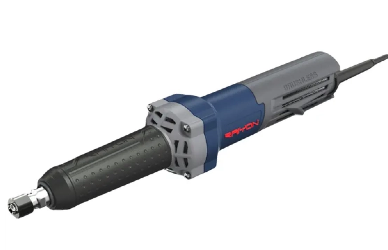
A straight grinder is a versatile and powerful tool commonly used in industries such as metalworking, woodworking, and construction. With its rotating spindle, it holds various grinder bits or attachments that enable users to perform tasks like grinding, polishing, deburring, and surface finishing. In metalworking, straight grinders are used for smoothing rough edges, removing rust, or sharpening tools. In woodworking, they help with sanding, polishing, or excess material removal. In construction, they are essential for cutting through materials like concrete, tile, or steel, making them indispensable in workshops and on job sites. However, despite their widespread use, straight grinders come with certain risks due to their powerful motors and high-speed rotating parts. This raises an important question: Are straight grinders safe to use? Understanding the safety precautions and how to properly handle straight grinder bits is critical to minimizing the risk of accidents and maximizing the tool’s effectiveness. Improper handling can result in tool malfunction, injury, or damage to the material being worked on. Therefore, knowing how to select the right grinder bits, install them correctly, and maintain them properly is crucial. This article will dive into the safety aspects of straight grinders, guide you on how to use them safely, and provide best practices for handling straight grinder bits.
What is a Straight Grinder and How Does It Work?
1.Definition & Function
A straight grinder is a handheld power tool used for grinding, polishing, deburring, sanding, and finishing surfaces. It features a straight body and a rotating spindle that holds various grinder bits or attachments. The tool provides high-speed rotation, making it effective for material removal and surface refinement, particularly in industries like metalworking, woodworking, and construction.
2.Working Principle
Straight grinders work by converting electrical energy into mechanical energy via a motor, which drives the spindle at high speeds. The rotating spindle powers the grinder bits, such as grinding wheels or polishing pads, that engage with the material being worked on. Rotational speeds generally range from 5,000 to 15,000 RPM, depending on the model and attachment. The grinder bits are crucial for determining the tool’s effectiveness for specific tasks.
3.Common Applications
Straight grinders are versatile tools used for several tasks, including:
Metal Grinding: Ideal for removing excess material and smoothing rough metal surfaces.
Surface Finishing: Used to refine and polish metal, wood, or other surfaces for a smooth finish.
Deburring: Removes jagged edges left after cutting or machining.
Sanding and Polishing: With the right attachments, they can smooth and polish various materials like wood and metal.
Are Straight Grinders Safe to Use?
1.Safety Overview
Straight grinders, while powerful and versatile tools, come with certain risks that users need to be aware of. Some of the most common dangers include:
Flying Debris: The high-speed rotation of grinder bits can cause material to fly off at high velocity, posing a risk of injury to the eyes, face, or body.
Noise: The loud noise generated by a straight grinder can lead to hearing damage over time if adequate hearing protection is not used.
Vibration: Prolonged use of a straight grinder can cause hand and arm vibration, potentially leading to discomfort or long-term conditions such as vibration white finger (VWF).
Tool Kickback: Improper handling of the grinder, such as using it at the wrong angle or with the wrong attachment, can cause the tool to kick back, leading to loss of control and possible injury.
2.Key Safety Measures
To ensure safe operation of a straight grinder, it is essential to follow proper usage guidelines:
Wear Protective Gear: Always wear safety goggles to protect your eyes from flying debris, gloves to protect your hands, and a dust mask to avoid inhaling harmful particles. Additionally, ear protection is important to safeguard your hearing from the loud noise generated by the tool.
Proper Handling: Keep a firm grip on the grinder with both hands, ensuring you maintain full control of the tool during use. Always keep the grinder's body and hands away from the rotating grinder bits.
Work in Well-Ventilated Areas: Ensure your workspace is well-ventilated to reduce the accumulation of dust and fumes, particularly when working with materials that generate hazardous particles.
Check the Tool Before Use: Always inspect the grinder and its attachments for any signs of damage or wear before starting work. Make sure the grinder is in proper working condition and the bits are securely attached.
3.Preventing Accidents
Accidents often occur due to improper handling or failure to follow safety protocols. To avoid common mistakes:
Maintain Correct Grip and Posture: Always hold the grinder with both hands, ensuring a stable grip. Stand in a balanced position with your body aligned to prevent sudden movements that could cause the tool to slip or kick back.
Avoid Overreaching: Never overreach while using the grinder. Always keep the tool close to your body and avoid awkward angles that could lead to loss of control.
Use the Right Attachments: Always select the appropriate grinder bit or attachment for the task at hand. Using the wrong attachment can cause the tool to overheat, malfunction, or become difficult to control.
Stay Focused: Never use a straight grinder while distracted. Concentrate fully on the task to ensure that you can react quickly if something goes wrong.
How to Properly Handle Straight Grinder Bits
1.Choosing the Right Bits
Selecting the correct grinder bit is essential for efficiency and safety. Here are the key types:
Grinding Wheels: Best for heavy-duty tasks like metal grinding, deburring, and material removal. Choose the appropriate grit for the material.
Polishing Pads: Used for smoothing and finishing surfaces, typically in metalworking, woodworking, and automotive applications.
Sanding Discs: Ideal for sanding wood, metal, and plastic, with options ranging from coarse to fine grit.
Wire Brushes: Used for cleaning and removing rust, paint, or debris from surfaces before further processing.
Diamond Blades: Designed for cutting hard materials like concrete, stone, or ceramic.
Match the bit to your task to improve efficiency and avoid damage.
2.Bit Installation and Replacement
Follow these steps for safe and correct bit installation:
Turn off and Unplug the Grinder: Always ensure the tool is powered off.
Use the Correct Tool: Use the spanner or wrench provided to remove and install bits.
Remove the Old Bit: Loosen the nut or locking mechanism, then remove the old bit carefully.
Install the New Bit: Align the new bit with the spindle, secure it with the locking mechanism, and tighten the nut.
Check the Installation: Spin the bit to ensure it is secure and operates smoothly.
3.Bit Handling Safety
To handle grinder bits safely:
Prevent Overheating: Avoid excessive pressure and allow breaks during heavy grinding to prevent overheating.
Inspect Bits Regularly: Check for cracks or wear before use. Replace any damaged bits.
Use the Correct Speed: Follow manufacturer guidelines to avoid excessive wear.
Avoid Hard Surfaces: Prevent bit damage by storing them on soft surfaces.
Wear Safety Gear: Always wear gloves and eye protection when handling or replacing bits.
Frequently Asked Questions (FAQ)
1.How do I know if my Straight Grinder is working properly?
To check if your straight grinder is working correctly:
Power and Motor: The motor should run smoothly without strange noises. If it’s weak or inconsistent, there may be an issue.
Bit Installation: Ensure the bit is securely attached. A loose bit can cause imbalance and poor performance.
Indicators of Problems: Excessive vibration, noise, or irregular motor sounds may signal issues like worn bearings or misalignment. If these occur, stop using the tool and inspect or repair it.
2.Can I use a Straight Grinder for sanding wood?
Straight grinders can be used for sanding wood with the right attachments, like sanding discs. However, they may not be as efficient as dedicated sanders like orbital sanders for larger sanding jobs. For smaller tasks or finishing work, a straight grinder can be a good option, but for finer finishes, a specialized sander is recommended.
3.How can I extend the life of my Straight Grinder?
To extend your grinder’s life:
Regular Cleaning: Clean after each use to remove dust and debris.
Motor Inspection: Periodically check for wear or overheating.
Bit Maintenance: Replace worn bits to prevent damage.
Avoid Overuse: Give the grinder breaks during heavy tasks to prevent overheating.
Proper Storage: Store in a cool, dry place to prevent rust and damage.
4.What safety gear should I wear when using a Straight Grinder?
When using a straight grinder, wear:
Protective Goggles: To shield eyes from flying debris.
Gloves: To protect hands from sharp edges.
Ear Protection: To prevent hearing damage from loud noise.
Dust Mask: To avoid inhaling dust or particles.
Other Precautions: Keep a firm grip and use the grinder in a well-ventilated area to reduce risk.
Conclusion
In conclusion, straight grinders are highly effective and versatile tools used across various industries, offering precision and power for tasks like grinding, sanding, and polishing. However, their powerful nature means that safety and proper handling are crucial to ensuring both user safety and the longevity of the tool. Always follow safety guidelines, such as wearing the appropriate protective gear, using the correct attachments, and maintaining a firm grip during operation. Regularly check your equipment for wear and tear, replace damaged parts, and keep the grinder clean to ensure it continues to perform at its best. By adhering to these safety measures and maintenance practices, you can extend the life of your straight grinder and work efficiently and safely.