Mastering an angle grinder transforms how you approach metal fabrication and surface work. Modern brushless technology and updated safety protocols make this versatile tool more accessible than ever. This guide delivers clear, actionable steps for cutting, grinding, and polishing with confidence.
Brushless motors provide greater efficiency, power, and durability compared to brushed motors. In angle grinders, they deliver longer use and generate less heat during demanding tasks.
You will learn essential precautions, correct disc selection, and proven techniques that prevent common mistakes. Advanced brushless motors, like those from HOPRIO, redefine efficiency with intelligent protection features. Whether you need precise cuts or smooth finishes, this guide equips you with the knowledge to work safely and effectively.
Key Takeaways
Always wear safety glasses under a face shield for full eye protection.
Choose the right disc for each task to ensure safety and efficiency.
Use steady pressure and proper angles for clean cuts and smooth finishes.
Brushless motors offer longer life and require less maintenance.
Regular cleaning and correct storage extend your grinder's lifespan.
Angle Grinder Safety: What You Must Know Before Cutting
Before you start any project, angle grinder safety must come first. Modern brushless tools from HOPRIO include intelligent protection features. These features reduce the risk of sudden jerks and motor burnout. But you still need proper personal protective equipment and correct technique for safe operation. These safety precautions keep you protected on every task.
Essential Personal Protective Equipment (PPE)
Your personal protective equipment setup matters. The right personal protective equipment prevents serious injury. For eye protection, never rely on a face shield alone. A face shield deflects flying fragments and sparks from grinding operations. But it leaves gaps around your eyes. Fine debris can slip through these gaps. The correct approach requires certified safety glasses or goggles underneath your face shield. This personal protective equipment combination meets ANSI Z87+ high-impact standards. It blocks the small particles that bypass the shield's edges. The combination gives you complete eye protection. The shield also reduces heat from sparks. Its main job is impact deflection. Always wear both layers of personal protective equipment when operating your grinder.
Tool Setup, Guard Placement, and Kickback Prevention
Setting up your tool correctly prevents accidents. The blade guard position changes based on your operation.
Operation | Guard Placement |
Grinding | Guard at the back, toward your body |
Cutting | Guard on top to shield from debris |
For grinding, place the guard at the back. For cutting, always put the guard on top. This orientation keeps debris away from you.
Kickback presents a serious danger. Follow these techniques to reduce the risk:
Grip the tool firmly with both hands. Maintain a stable operating angle.
Avoid jamming the wheel in cutting grooves. Do not apply sudden heavy pressure.
Stand sideways to the grinding wheel. Do not face it directly.
Keep your feet stable. Do not overstretch your arms.
When cutting metal, do not keep the wheel static in the groove for long periods. This prevents jamming and violent kickback.
Use the proper wheel size for your angle grinder. A disc not designed for your model can wobble and kick back. Always follow the manufacturer's recommended disc sizes.
Support your material properly so it does not sag during a cut. Sagging can pinch the blade and cause kickback. Use blade guards and auxiliary handles for leverage.
Never plunge cut a wheel into material at the 12 o'clock position. Cut downward to avoid kickback and loss of control.
Hold the wheel perpendicular to the surface. Avoid pressing against the face of the wheel to prevent shattering. These safety precautions help you work with confidence.
Understanding Angle Grinder Uses: Selecting the Right Disc
Your angle grinder's versatility depends entirely on the disc you mount. Each task—cutting metal, grinding welds, or polishing surfaces—demands a specific accessory. Choosing correctly saves time, money, and frustration. HOPRIO brushless angle grinders deliver greater power and stable speed, making them ideal for heavy cutting and grinding tasks. This stability also extends your disc life noticeably.
Cutting Discs: Abrasive vs. Diamond for Cutting Metal
When you need to cut steel, you face two main options: abrasive discs and diamond blades. Abrasive discs use grains like aluminum oxide or zirconia alumina bonded with resin and reinforced with fiberglass mesh. These discs work well for general steel and iron. Diamond blades, however, feature industrial diamonds bonded to a steel core. They excel on hardened tool steels, concrete, stone, and ceramics—materials that destroy conventional abrasives.
Material Type | Recommended Disc | Key Reason |
General steel, iron | Aluminum oxide or zirconia alumina discs | Industry standard for these metals |
Hardened tool steels, concrete, stone, ceramics | Diamond discs | Diamonds cut materials that destroy conventional abrasives |
Disc thickness matters for cutting metal. Thin discs (1.0–1.6 mm) suit light-duty sheet metal and cut fast with minimal material loss. General-purpose discs (1.6–2.5 mm) balance speed with durability for most fabrication work. Heavy-duty discs (2.5–3.0 mm) handle thick plate and structural steel without flexing.
Critical safety rule: Never use a steel-only abrasive disc on concrete or masonry—this is extremely dangerous. For concrete cutting, diamond blades are essential.
Always match the disc's maximum RPM rating to your grinder's speed. A 115mm disc typically rates at 13,300 RPM. Exceeding this limit causes the disc to shatter. Operating within the rated speed ensures clean cuts and prevents premature wear.
Grinding and Polishing Accessories: Flap Discs and Pads
For metal grinding and surface blending, flap discs outperform traditional grinding wheels in most situations. Flap discs consist of overlapping abrasive flaps that self-sharpen as they wear. They produce a smooth, consistent finish with minimal gouging. Grinding wheels remove material aggressively but leave rough surfaces requiring secondary finishing.
Feature | Flap Disc | Grinding Wheel |
Application | Blending, contouring, surface preparation | Heavy material removal, shaping large welds |
Finish Quality | Smooth, consistent; little to no gouging | Rough; needs additional finishing |
Heat Generation | Lower—reduces discoloration risk | Very high—produces sparks and heat |
Control | High—flaps conform to contours | Lower—rigid wheel can gouge |
According to HOPRIO's product data, their brushless tools provide a 30–40% reduction in disc consumption compared to standard models. This saving comes from stable speed control that prevents unnecessary wear. The constant speed also improves cutting efficiency, meaning you complete each job faster with fewer discs.
For polishing, use flap discs with finer grits or dedicated polishing pads. Work through grit progression—coarse to fine—for a mirror finish. If your grinder offers variable speed, reduce RPM for polishing to prevent heat buildup that discolors metal.
How to Cut, Grind, and Polish with an Angle Grinder
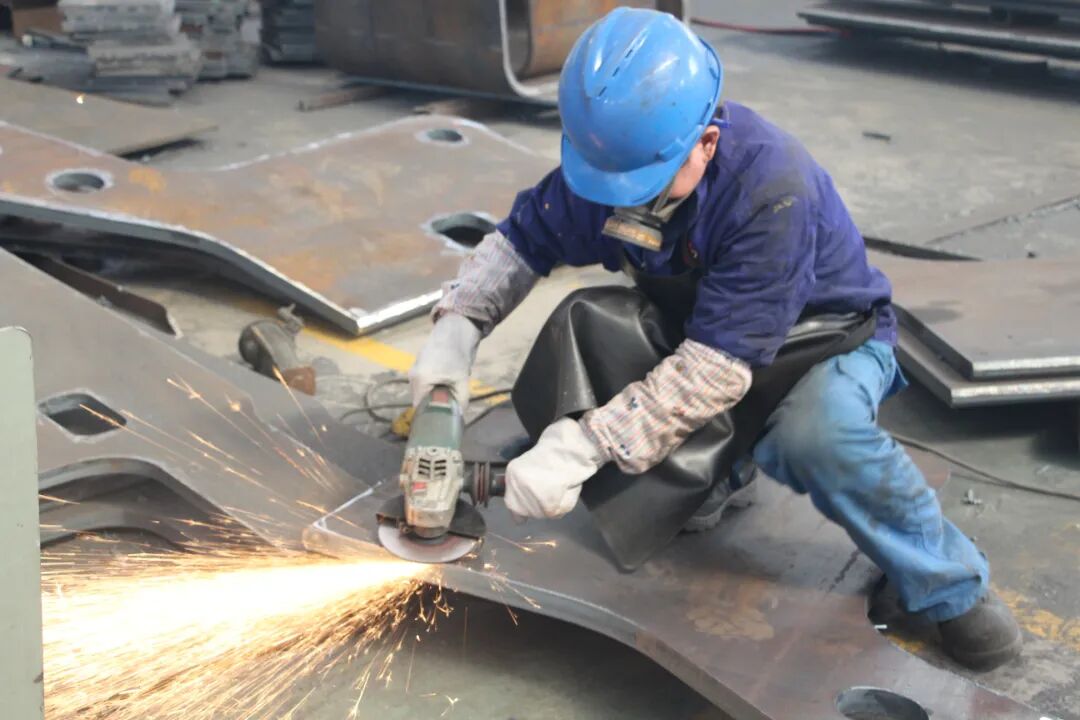
Mastering the actual techniques transforms your angle grinder from a intimidating tool into a precision instrument. Each operation—cutting, grinding, and polishing—requires a distinct approach. You must understand the correct angles, pressure levels, and speed settings for each task. This knowledge separates professional results from amateur mistakes.
Cutting Technique: Steady Pressure and Proper Disc Angle
Start your cutting operation by letting the tool reach full speed before touching the material. Hold the grinder with both hands and position the cutting disc at a 90-degree angle to your workpiece. This perpendicular orientation ensures a straight, clean cut through metal. Lower the spinning disc gently onto your marked line. Do not force the tool downward.
Your pressure level determines both cut quality and disc lifespan. The table below shows how different pressure approaches affect your results:
Pressure Type | Effect on Disc Longevity | Effect on Cut Quality |
Excessive force | Wears the disc down faster, reducing lifespan | Risk of overheating or damage |
Too little pressure | Not specified directly | Creates an uneven cut, compromising quality |
Steady pressure | Avoids overheating and damage, preserving disc life | Produces smoother, more professional results |
Move the grinder steadily along your cutting line with light, consistent pressure. Let the disc do the work rather than pushing hard. When cutting through metal, maintain a smooth rhythm and avoid stopping in one spot. A stationary spinning disc generates heat that damages both the material and the cutting disc. For thicker materials, make multiple passes instead of forcing one deep cut. This approach prevents binding and extends your disc's useful life.
Grinding and Polishing: Achieving Consistent Results
Grinding removes material to shape surfaces or smooth welds. HOPRIO brushless angle grinders deliver greater power and constant speed control during grinding operations. This stability proves essential when you need a consistent profile across a long weld seam. The tool maintains its speed even under load, preventing the slowdown that causes uneven grinding patterns.
Hold the grinding disc at a suitable angle against your workpiece. Move the grinder in smooth, overlapping arcs. Let the tool's weight provide the pressure. You guide the grinder rather than forcing it. Work through progressively finer grits to refine the surface. Start with a coarse flap disc for heavy material removal, then switch to finer grits for a smoother finish.
Polishing requires a different approach entirely. If your grinder offers variable speed, reduce the RPM for polishing tasks. Lower speeds prevent surface overheating and ensure a quality finish. This technique matters across many materials:
Metal polishing: Low speeds enable mirror-like finishes on stainless steel or aluminum without overheating
Stone surface polishing: Lower speeds prevent heat damage while finishing marble or granite, producing a high-quality shine
Automotive surface polishing: Using low RPMs avoids burn marks or paint damage on car body panels
Woodworking finishes: Variable speed grinders with polishing pads achieve smooth, glossy finishes on wood furniture
When polishing aluminum, work through a grit progression from coarse to fine compounds. Each successive step removes the scratches from the previous stage. The constant speed control in modern brushless grinders helps maintain a steady pace, which proves crucial for precision during large polishing projects. By allowing you to set a constant speed appropriate to the task, the tool avoids the tiring effect of a constantly high speed. This enables longer work periods with less strain while you achieve professional-grade results.
Cutting Metal Safely: Common Angle Grinder Mistakes and Maintenance
Even experienced operators make errors that damage tools and create hazards. Recognizing these mistakes before you start cutting metal keeps you safe and extends your equipment's life. The most common failures share one root cause: rushing the job.
Avoiding Kickback, Overheating, and Disc Damage
Pressing too hard ranks as the top mistake in metal cutting. You might think more force equals faster progress. In reality, excessive pressure overheats the wheel, accelerates wear, and risks sudden rupture. Forced pressing also strains the motor, which can overheat and fail during extended operations. Let the tool's weight do the work instead.
Using the wrong disc for cutting metal creates another serious hazard. Each wheel serves a specific purpose and material. A cutting disc used for grinding, or a disc rated for slower speeds mounted on a faster grinder, can shatter under pressure. This sudden failure causes loss of control and potential injury.
Using the wrong accessory or disc for a grinder is a common cause of accidents. Discs are designed for specific materials and purposes. Misusing a disc—such as using a cutting disc for grinding—can cause it to shatter or break apart under pressure, leading to loss of control and potential injury.
Disc thickness matters when you cut structural steel. Thin cut-off wheels wear out rapidly and risk shattering if twisted laterally inside a deep cut. For thick beams, use heavy-duty discs ranging from 2.5mm to 3.0mm with aluminum oxide abrasive. Never mount a disc rated for a lower maximum RPM than your tool's speed. The disc's maximum RPM must always exceed the tool's speed.
Neglecting guard orientation also causes problems. Position the guard correctly for each operation, as described earlier. A misaligned guard directs sparks and debris toward your body instead of away from it.
Routine Care to Extend Your Angle Grinder's Life
Regular maintenance prevents unexpected failures. The approach differs between brushless and brushed models.
Maintenance Aspect | Brushless Models | Brushed Models |
Carbon brush care | Not required | Must monitor and replace when power drops or sparking occurs |
Primary focus | Cleaning and inspection | Carbon brush replacement |
Overall maintenance | Minimal—fewer wear parts | Higher—periodic brush service needed |
HOPRIO brushless angle grinders require minimal maintenance because they have fewer wear parts than brushed tools. This design removes a common failure point found in corded brushed tools. You save time on maintenance and avoid downtime.
Your maintenance routine should include regular cleaning after each use. Blow out dust from ventilation ports. Wipe down the exterior. Inspect the power cord for corded models or battery contacts for cordless versions. This cleaning prevents debris buildup that traps heat.
Proper storage also matters. Keep your angle grinder dry and protected from moisture. For cordless models, follow battery care guidelines: charge fully before storage and keep in a cool, dry place. These simple habits ensure your tool performs reliably for years of cutting, grinding, and polishing projects.
You now have the complete picture—from safety preparation through cutting, grinding, and polishing techniques. Remember the three pillars: grip with both hands, secure the disc with a wrench, and never remove the guard. These habits prevent accidents and protect you from injury.
Selecting the right disc transforms your angle grinder's results. Modern brushless technology, like HOPRIO's, delivers consistent power with minimal maintenance. This investment pays off through years of reliable service and fewer repairs. The tool maintains stable speed, helping you cut and grind with precision.
Start with small projects. Practice steady pressure and proper angles. Each session builds your confidence and skill. Choose your next project today and apply these techniques with pride.
FAQ
How do I know which disc to use for my project?
Match the disc to your material and task. Use thin abrasive discs for sheet metal cutting. Choose thicker discs for structural steel. Diamond blades handle concrete and stone. For grinding welds, select flap discs. Always verify the disc's maximum RPM exceeds your grinder's speed rating.
Why choose a brushless angle grinder over a brushed model?
Brushless motors deliver higher efficiency and longer lifespan. They have fewer wear parts than brushed models. HOPRIO brushless grinders maintain constant speed under load, reducing disc consumption by 30–40%. Intelligent protection features add an extra layer of safety during demanding operations.
What causes kickback and how do I prevent it?
Kickback occurs when the disc binds or jams in the material. You prevent it by gripping firmly with both hands and avoiding sudden pressure. Never twist the disc sideways in a cut. Keep the guard positioned correctly for your operation. Stand sideways to the wheel rather than directly facing it.
Can I use one grinder for cutting metal and polishing?
Yes, you can. The same grinder handles both tasks when you switch accessories. Use a cutting disc for metal cutting operations. Swap to flap discs or polishing pads for surface work. If your model offers variable speed, reduce RPM for polishing to prevent heat damage and achieve better finishes.
How often should I replace my cutting discs?
Inspect discs before each use. Replace them when you notice cracks, chips, or excessive wear. A disc worn down to its minimum diameter loses structural integrity. Watch for wobbling during operation—this signals damage. Proper technique with steady pressure extends disc life significantly compared to forcing the tool.


