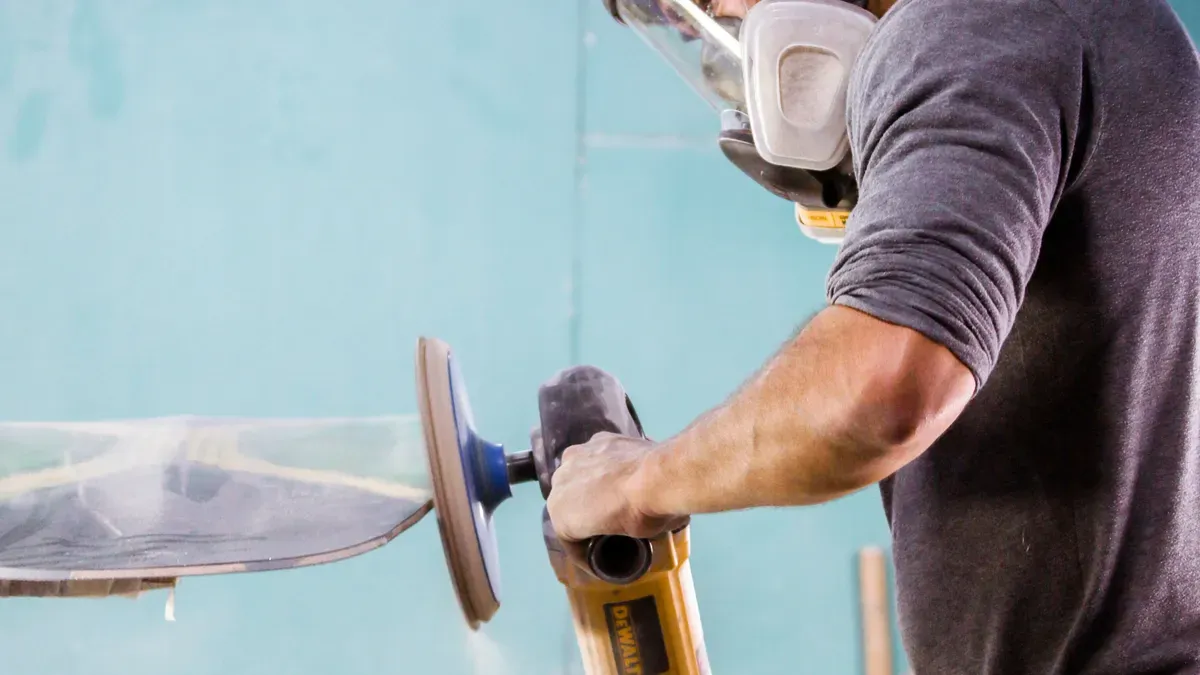
Have you ever felt the kickback of an angle grinder and wondered if you're using it correctly? You face a genuine challenge. You need speed and efficiency on the job. Yet improper handling creates real risk of injury.
Nearly 25,000 were injured nationwide while using angle grinders (U.S. Consumer Product Safety Commission).
This article provides five actionable angle grinder tips. Each technique combines safety protocols with workflow improvements. You'll work faster without compromising your well-being. These methods apply to hobbyists and professionals alike. The advice follows industry best practices and modern tool technology.
You'll learn not just what to do, but why it works. This understanding empowers you to adapt these skills to any project. Proper angle grinder safety prevents accidents during cutting and grinding tasks. These safety tips protect your hands, face, and body from harm.
Key Takeaways
Always use both hands on the grinder and stand to the side for better control and safety.
Match the disc to the material and check its RPM rating to prevent accidents and improve results.
Hold the grinder at the correct angle: 90 degrees for cutting, 15-30 degrees for grinding.
Apply light pressure and let the tool's speed do the work to avoid overheating and kickback.
Prevent kickback by using the guard, securing the workpiece, and leveraging safety features.
Master the Two-Handed Grip for Angle Grinder Safety
The primary cause of loss of control with an angle grinder is an improper grip. Many operators rely on a single hand. Both hands must stay on the tool at all times. One hand holds the main handle. The other grips the auxiliary side handle. This two-point foundation prevents many accidents and tool damage.
Lock Your Wrists and Brace Your Core
Your wrists should remain straight and firm. Do not bend or flex them. Engage your core muscles to stabilize your upper body. This position creates a solid platform for the tool. It absorbs vibration and reduces fatigue. These essential safety tips focus on preventing loss of control before it begins.
A two-handed grip provides dramatically better control during kickback events. It prevents the grinder from being flung toward the operator. The second hand adds stabilizing force and leverage. This allows the operator to counteract the sudden rotational force of kickback and keep the tool from escaping their grasp toward their body.
Position Your Body to the Side of the Wheel
Your stance matters as much as your grip. Place your feet shoulder-width apart. Position your body to the side of the cutting plane. Do not stand directly behind the wheel. This positioning prevents serious injuries if the tool kicks back. The stance gives you leverage and keeps you out of harm's way.
Standing to the side keeps you out of the line of fire. If the grinder binds and kicks backward, the tool moves away from your body. A simple shift in position dramatically improves angle grinder safety. Following these safety tips reduces your risk during demanding tasks.
HOPRIO angle grinders prioritize safety through ergonomic handles and a lightweight brushless motor. These design elements reduce fatigue significantly. You can maintain a firm grip for longer periods without strain. The lighter overall weight makes it easier to hold the correct stance throughout your work.
Choose the Right Angle Grinder and Disc for the Task
Using the wrong disc ranks among the leading causes of both accidents and poor results. You must match the disc material to your workpiece. Abrasive discs handle metal. Diamond blades cut through stone and concrete. Flap discs smooth and finish surfaces. Each disc type serves a specific purpose. Selecting the correct one improves your workflow and protects your safety.
Match the Disc to the Material and Task
Consider stainless steel as an example. According to 3M's metalworking resource, you need the 3M™ Cubitron™ II Fibre Disc 987C for this heat-sensitive metal. The 982C variant works for carbon steel instead. This distinction matters because the wrong abrasive generates excess heat. That heat damages the workpiece and wears out your disc prematurely.
Using a cutting disc for grinding creates especially serious risks. Cutting discs cannot withstand lateral force. They break apart under side pressure. Metal discs on concrete cause rapid wear and overheating. These mistakes lead to sudden kickback, loss of control, and disc breakage. They also reduce accuracy and increase wear on your tool. The wrong disc also produces poor surface finishes. You waste time redoing work that should have been correct the first time.
Feature | Brushed Motors | Brushless Motors |
Efficiency | Less efficient due to friction and heat | More efficient with minimal energy loss |
Durability | Moderate, requires brush replacement | High, minimal maintenance required |
Brushless motors eliminate friction and heat loss. More energy converts into grinding power rather than wasted heat. This directly improves grinding efficiency. HOPRIO's brushless technology delivers higher grinding efficiency. You also reduce grinding disc consumption. The consistent power output prevents vibration and overheating. Your discs last longer and perform better throughout their lifespan. This efficiency means you spend less time on each cut. You also change discs less frequently, which keeps your workflow moving smoothly.
Inspect the Disc and Verify the RPM Rating
Every disc carries a maximum RPM rating printed on its label. You must check this number against your angle grinder's maximum speed. A standard 4.5-inch cutting disc operates up to 13,300 RPM. Never mount a disc rated for lower RPM than your tool's maximum output. This simple verification takes seconds but prevents catastrophic failures.
Using a disc with a lower operating speed than your cutting tool's max RPM is dangerous, risking disc failure or accidents. The grinder's no-load RPM must be at or below the disc's maximum rated RPM; failure to verify this before mounting is one of the most common failure modes in abrasive wheel use.
Operating a disc above its rated RPM creates an over-speed condition. This condition represents a recognized source of serious injury. The centrifugal stress overwhelms the bonding matrix of the wheel. Grain shedding begins, and cutting performance becomes erratic. This deterioration ultimately results in wheel failure. In severe cases, the wheel may shatter within minutes of operation, even when you only slightly exceed the rated speed.
These safety tips protect you from preventable harm. HOPRIO angle grinders feature constant-speed control. This technology maintains optimal RPM even under pressure. The tool does not bog down or surge unexpectedly. You maintain the correct speed range throughout your work. This stability reduces the risk of over-speed conditions and extends your disc life.
Control the Angle of Attack When Using an Angle Grinder

The angle you hold your grinder determines both the quality of your work and your personal safety. Many operators tilt the tool randomly, hoping for the best. This approach produces uneven cuts, overheated discs, and dangerous binding. You must match the disc angle to the specific task at hand. This single adjustment transforms your results.
Use the Correct Leading Edge for Cutting
Cutting demands precision. Hold the disc perpendicular to the workpiece. The wheel should meet the material at a perfect 90-degree angle. This position allows the edge of the disc to slice through the material cleanly. You create a narrow kerf with minimal resistance.
When you tilt the grinder during a cut, the disc binds. The wheel pinches against the sides of the kerf. This binding causes sudden kickback. The tool can jerk violently toward you. You lose control instantly. A perpendicular approach prevents this dangerous scenario.
The correct leading edge also extends your disc life. A straight cut distributes wear evenly across the wheel's edge. A tilted cut grinds against the side of the disc. This lateral friction wears away the bonding material. The disc becomes thin and weak. It may shatter under stress. Pay attention to disc angle during every cutting operation.
Maintain a 15- to 30-Degree Angle for Grinding
Grinding requires a different approach than cutting. You need material removal, not a clean slice. Hold the disc at a 15- to 30-degree angle against the surface. This tilt exposes more of the abrasive surface to the workpiece. The grinding action becomes aggressive and efficient.
This angle reduces the surface area in contact with the material. Less contact means less friction. Less friction prevents overheating. An overheated disc loses its abrasive properties quickly. The workpiece may also discolor or warp from excess heat. The correct angle keeps both the tool and the material cool.
The 15- to 30-degree angle also reduces the risk of binding. A flat disc against a flat surface creates a large contact patch. This patch grabs the material and stalls the motor. The sudden stop causes the grinder to twist in your hands. The angled approach prevents this dangerous grab.
HOPRIO angle grinders feature constant-speed control technology. This system maintains optimal RPM even under heavy pressure. You can hold the correct angle without the tool bogging down. The motor delivers consistent power throughout the grind. This stability makes it easier to maintain proper form. These angle grinder safety tips protect you from common accidents.
Mastering the angle of attack takes practice. Start with scrap material to build muscle memory. You will notice smoother cuts and faster grinding. Your discs will last longer. Your work will look professional. These simple adjustments improve both your workflow and your safety on every project.
Let the Tool Do the Work for Better Results
A common mistake when using an angle grinder is applying excessive downward pressure. You might think this speeds up your work. It actually strains the motor. It overheats the disc. It increases the risk of kickback. The correct approach requires less physical effort.
Pressing too hard on the disc can lead to overheating and excessive wear. This increased friction can even cause the motor to overheat. Apply moderate pressure. Let the tool do the work for you.
This philosophy is central to efficient and safe operation. You gain better results with a lighter touch.
Avoid Forcing the Tool into the Workpiece
Forcing the tool creates a cascade of problems. The motor draws excessive current. The disc wears unevenly. It can even crack or break. This compromises safety and efficiency. You lose control of the cutting path. The grinder can grab or kick back violently.
Prevention requires constant attention. Monitor your pressure. Use appropriate force. Do not fight the tool. Let the rotation speed do the actual work. Your job is to guide the angle grinder. You steer it along the intended line. You do not push it through the material. A steady hand and a light grip prevent most accidents.
Use Light Pressure and Let the RPMs Cut
Use light, consistent pressure. Guide the tool smoothly. Let the RPMs do the cutting. The abrasive particles on the disc shear the material away. Your only contribution is direction and stability.
Watch for signs of excessive force. These indicators tell you to ease off immediately:
Any of these signals means you push too hard. Reduce the downward force immediately. Let the motor recover its optimal speed.
HOPRIO brushless motors excel in this area. They maintain stable speed even under heavy load. This provides consistent and predictable performance. You achieve a smoother finish without extra physical effort. The constant speed control feature helps during demanding cutting tasks. These tips ensure better workflow and a safer experience. Your angle grinder works best when you trust its power and let it do its job.
Prevent Kickback with Smart Angle Grinder Tips
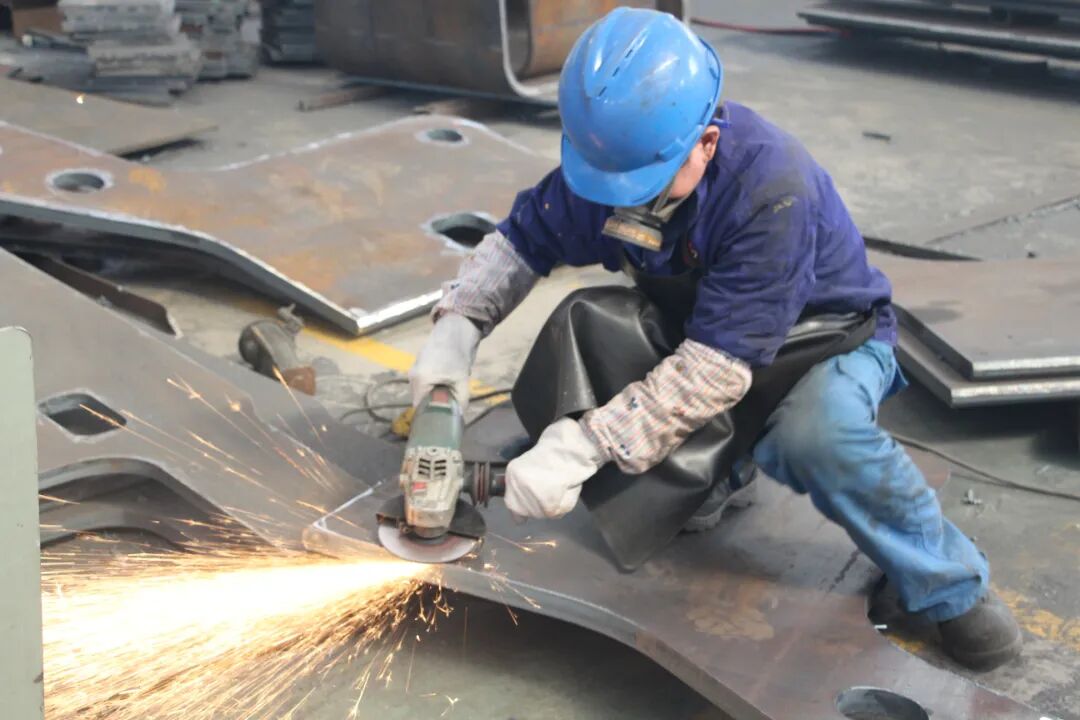
Kickback is a sudden loss of control. It happens when the disc binds or snags in the material. The grinder jerks backward or upward with violent force. This reaction occurs in an instant. You have almost no time to respond. Understanding why kickback happens is your first defense against serious injuries.
Understand the Causes of Kickback and How to Avoid Them
The primary cause of kickback is operator error. You set the working angle incorrectly. Grinding with the disc too flat or too steep against the workpiece causes the disc to catch or gouge the material. This sudden grab produces a forceful kickback reaction. You must monitor your disc angle during every operation.
Improper operating conditions also trigger kickback. Using the wrong wheel for the material creates problems. Running at an incorrect speed adds risk. Dull or incorrectly positioned wheels grab unexpectedly. This grabbing force causes the tool to jerk violently. You can lose control and suffer severe injuries.
Industry safety guidance from TFT-Pneumatic confirms that kickback is a common accident type, particularly during cutting operations. The root cause is attributed to the operator's failure to anticipate the tool's reactive force and to apply proper technique and equipment, making it the most preventable category of angle grinder accidents.
You can prevent kickback with several key techniques. Always use the safety guard. Keep the disc straight in the cut. Avoid twisting or bending the wheel during operation. Never start the grinder while the disc touches the workpiece. These practices eliminate most kickback scenarios before they begin.
Secure your workpiece securely before starting any operation. A loose workpiece shifts during cutting. This movement causes the disc to bind. The binding triggers kickback. Clamp the material firmly to a stable surface. This simple step prevents many accidents.
Use the Guard and Leverage Intelligent Safety Features
The safety guard is not optional equipment. It protects you from flying debris and broken disc fragments. It also provides a barrier between your hands and the spinning wheel. Always keep the guard in place. Never remove it for convenience. This single piece of equipment prevents countless injuries.
Modern angle grinders include intelligent safety features. These systems work automatically to protect you. HOPRIO angle grinders incorporate several advanced protections. Soft start technology ramps up speed gradually. This prevents the initial jerking motion that catches operators off guard. The tool accelerates smoothly instead of lunging forward.
Overload protection shuts off the motor before it overheats. This prevents dangerous situations before they develop. The system monitors the motor's condition continuously. It responds instantly to abnormal conditions. You gain an extra layer of protection beyond your own skill and attention.
These features reduce the hazards associated with kickback. They give you more time to react. They prevent the tool from reaching dangerous states. You still need proper technique. The technology supports your efforts rather than replacing them.
Following these angle grinder safety tips reduces your risk significantly. You combine proper technique with intelligent tool design. This dual approach protects you from the most common angle grinder accidents. You work with confidence knowing you have addressed the primary causes of kickback.
Remember that kickback prevention requires constant awareness. You must anticipate the tool's reactive force. You must maintain proper form throughout every task. You must respect the power of the tool. These habits become second nature with practice. Your safety depends on consistent application of these principles.
These five techniques form one system. Proper grip and stance give you control. Correct tool and disc selection prepare you for the task. A precise angle of attack refines your technique. Letting the tool work maximizes efficiency. Kickback prevention sharpens your reaction. Together, they represent the best practices for using an angle grinder.
Safety is not a separate step. It is the foundation of speed and quality. A controlled tool cuts faster and more accurately. Practice these angle grinder tips on scrap material first. Build muscle memory for safe habits before critical projects.
OSHA 29 CFR 1910.215 and 1926.303 mandate proper guarding and operator training for abrasive wheel grinders.
Brushless technology, like HOPRIO's, makes safe work easier. Yet your skill and respect for the tool remain paramount. These angle grinder safety practices prevent injuries and elevate your craft.
FAQ
What personal protective equipment should I wear when using an angle grinder?
You need proper safety gear before starting any task. Wear safety glasses or a face shield to protect your eyes from sparks and debris. Use hearing protection because grinders produce loud noise. Gloves and a dust mask complete your personal protective equipment. Steel-toed boots protect your feet from falling pieces.
How do I know if my grinding disc is safe to use?
Inspect every disc before mounting it. Look for cracks, chips, or uneven wear patterns. Tap the disc gently with a plastic tool. A dull thud means internal damage exists. A clear ring indicates the disc is sound. Never mount a damaged disc. This simple check prevents serious injuries.
What should I do if my angle grinder kicks back?
Release the trigger immediately when kickback occurs. Let the tool come to a complete stop. Examine the workpiece and disc for damage. Identify what caused the bind before continuing. Adjust your technique accordingly. Following proper safety practices prevents most kickback situations from happening again.
How often should I replace the carbon brushes in my angle grinder?
Brushless motors eliminate carbon brush replacement entirely. Traditional brushed motors require periodic brush changes. HOPRIO brushless angle grinders remove this maintenance task completely. You save time and money over the tool's lifespan. The motor runs cleaner and maintains consistent power without brush wear.
What is the correct way to store my angle grinder?
Remove the disc and guard before storage. Clean dust and debris from the tool body. Store the grinder in a dry location away from moisture. Keep the power cord loosely coiled. Place the tool in its case or on a dedicated shelf. These habits extend tool life and maintain angle grinder safety between projects.