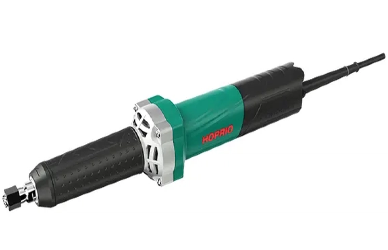
A straight grinder is a highly versatile and powerful tool commonly used in various industries, including metalworking, woodworking, and DIY projects. It is designed for a wide range of tasks, such as fine grinding, polishing, deburring, and surface preparation, making it essential for achieving smooth finishes and precise, accurate results. With its high-speed operation and precision capabilities, the straight grinder excels at handling intricate jobs that require a steady, controlled approach. However, to maintain its performance and ensure safety, regular maintenance is absolutely crucial. Proper maintenance not only extends the life of your straight grinder but also helps prevent common issues like overheating, vibrations, and decreased efficiency. Regularly maintaining your tool keeps it operating at its best, ensuring that it remains reliable and safe to use. By addressing minor issues before they become major problems, you can also reduce the risk of accidents, ensuring smoother operation and consistent, high-quality results every time you use it.
Routine Maintenance Steps for Your Straight Grinder
1.Cleaning
Regular cleaning of your straight grinder is essential to maintain its performance and prevent buildup that could interfere with its operation.
Importance: Cleaning removes dust, debris, and abrasive particles that accumulate during use, preventing overheating and reducing wear on internal components.
How to Clean:
Exterior: Wipe down the outer casing with a damp cloth to remove dirt and dust. Use a soft brush to clean the vents and grooves.
Interior: Use compressed air to blow out dust and particles from the motor housing and other internal parts. This helps prevent debris buildup that could affect performance.
2.Inspecting the Grinding Wheel/Attachment
It’s important to regularly check the grinding wheel or attachment for signs of damage or excessive wear to ensure safety and efficiency.
What to Check:
Cracks and Chips: Inspect the grinding wheel or attachment for any visible cracks, chips, or signs of wear that may compromise its performance.
Excessive Wear: If the grinding surface has worn down unevenly, it may not function properly and should be replaced.
How to Replace:
Turn off and unplug the grinder before replacing any attachments.
Use the appropriate tools to loosen and remove the damaged wheel or attachment.
Replace it with a new one that matches the tool’s specifications, ensuring it’s securely attached before use.
3.Lubrication
Lubricating moving parts helps to maintain smooth operation and prevent premature wear.
Lubrication Importance: Lubricating the motor and bearings ensures the grinder operates without friction, which reduces heat buildup and extends the tool's lifespan.
Which Parts to Lubricate:
Focus on areas with moving parts, such as the motor shaft, bearings, and gears.
Check the manufacturer’s instructions for specific lubrication points and intervals.
Type of Lubricant:
Use light machine oil or the specific lubricant recommended by the manufacturer. Avoid heavy oils or greases, which may attract dust and debris.
4.Checking Power Cords and Connections
Inspecting the power cords and connections regularly helps prevent electrical hazards and ensures the grinder remains safe to use.
Inspecting Power Cords: Check the power cord for signs of fraying, cracks, or exposed wires. If the cord is damaged, it should be replaced immediately to avoid electrical shock or further damage.
Checking Connections:
Ensure that the power plug and socket are in good condition and that the grinder’s internal electrical components are properly connected.
Look for any loose or exposed wires that could pose a safety risk, and repair them as needed.
Troubleshooting Common Problems
1.Excessive Vibration
Excessive vibration during operation can affect both the performance of your straight grinder and your safety. It's important to identify and address the cause of the vibration promptly.
Causes:
Unbalanced Grinding Wheel: An unbalanced or worn grinding wheel can cause uneven rotation, leading to vibration.
Loose Attachments: Loose or improperly attached grinding wheels or accessories can result in instability and vibration.
Damaged Bearings: Worn-out bearings inside the grinder can cause internal vibration and instability during use.
Solutions:
Check and Replace the Grinding Wheel: Inspect the wheel for damage or wear and ensure it's properly balanced. Replace it if necessary.
Tighten Attachments: Ensure all attachments are securely fastened to the grinder.
Inspect and Replace Bearings: If the bearings are damaged or worn, have them replaced by a professional or follow the manufacturer’s instructions for replacement.
2.Overheating
Overheating is a common issue that can cause your straight grinder to lose performance and even result in permanent damage.
Causes:
Prolonged Use: Continuous operation without breaks can cause the motor to overheat.
Blocked Vents: Accumulation of dust or debris in the grinder’s vents can block airflow, leading to overheating.
Excessive Load: Using the grinder for tasks that require more power than the motor is designed to handle can cause it to overheat.
Solutions:
Take Breaks: Allow the grinder to cool down by turning it off periodically, especially during heavy tasks.
Clean Vents Regularly: Ensure the vents are clear of dust and debris to allow proper airflow and cooling.
Avoid Overloading: Use the grinder within its specified power limits and avoid putting excessive pressure on the tool.
3.Unusual Noises
Unusual noises during operation can indicate that something is wrong with the grinder. Identifying the noise type can help diagnose the issue.
Grinding Sounds: A consistent grinding sound is normal during operation, but if the noise changes or becomes louder, it may indicate an issue with the grinding wheel or motor.
Solution: Check the grinding wheel for damage or wear. If necessary, replace it with a new one.
Whirring or High-Pitched Sounds: A whirring or high-pitched noise could indicate that the bearings are worn out or the motor is struggling.
Solution: Inspect the bearings for wear and replace them if necessary. Also, check for any obstruction or issues within the motor housing.
Clunking or Clicking: If you hear a clunking or clicking sound, it could be a sign of a loose part inside the grinder or a misalignment of components.
Solution: Turn off the grinder and inspect the internal components for loose parts. Tighten any loose screws or replace damaged parts.
Long-Term Maintenance Tips
1.Proper Storage
Store in a Dry, Cool Place: Keep your straight grinder in a dry, cool area to prevent rust and damage from moisture.
Protect from Dust and Debris: Store it in a case or cover to avoid dust buildup, especially on the motor and vents.
Avoid Humid Areas: High humidity can cause rust, so store the grinder in a well-ventilated space.
2.Replacement of Worn Parts
Identifying Worn Parts:
Bearings: Replace if you notice excessive vibration or noise.
Switches: If the switch becomes unreliable, replace it immediately.
Power Cords: Check for fraying or damage and replace them if necessary.
Grinding Wheels/Attachments: Replace worn or damaged wheels to ensure safe operation.
When to Replace: Replace parts at the first sign of damage or wear to maintain performance and safety. Always use manufacturer-recommended replacements.
3.Avoiding Overuse
Take Breaks: Allow the grinder to cool down during extended use to prevent overheating.
Use Within Capacity: Avoid using the grinder beyond its intended specifications to prevent excessive wear.
Monitor Usage: Limit prolonged use to avoid strain on the motor and ensure a longer lifespan.
Frequently Asked Questions (FAQ)
1.How often should I clean my straight grinder?
Clean your straight grinder after each use to remove dust and debris. If used frequently or for heavy-duty tasks, clean it more often to prevent dust buildup and overheating.
2.What should I do if my grinder is vibrating too much during use?
Excessive vibration can be caused by:
Imbalanced or damaged wheels: Inspect and replace if necessary.
Loose attachments: Ensure they are securely fastened.
Worn bearings: Replace damaged bearings.
Using the right attachments and ensuring everything is tight can reduce vibration.
3.Can I use a regular oil for lubricating my straight grinder?
Use light machine oil or the lubricant recommended by the manufacturer. Regular oils may not provide adequate protection or attract dust, leading to poor performance.
4.How do I know when it’s time to replace the grinding wheel or attachments?
Replace the wheel or attachments when:
Cracked or chipped: Any visible damage can cause the wheel to break.
Excessive wear: If the wheel isn’t grinding effectively.
Decreased performance: If the grinder performs poorly despite maintenance.
Conclusion
In conclusion, regular maintenance is absolutely crucial for keeping your straight grinder functioning safely, efficiently, and reliably. Routine tasks such as cleaning, inspecting components for wear and damage, lubricating moving parts, and checking the power connections help prevent issues like overheating, excessive vibration, and poor performance. Proper maintenance ensures that your grinder operates smoothly and reduces the risk of costly repairs or replacements in the future. By staying proactive and on top of these maintenance steps, you not only extend the lifespan of your tool but also enhance its performance, making it safer and more efficient for your projects. I highly recommend establishing a routine maintenance schedule and replacing any worn or damaged parts as soon as possible. This will not only keep your straight grinder in top shape but will also ensure it’s ready to tackle any task with maximum reliability. Taking care of your tool with a little time and effort will pay off in the long run.


