An angle grinder is a versatile power tool commonly used for cutting, grinding, and polishing various materials, typically in heavy-duty tasks. However, many car enthusiasts and DIYers wonder if they can repurpose their angle grinder as a car polisher for detailing work. While an angle grinder can technically be adapted for polishing, it’s important to understand that there are significant differences between an angle grinder and a dedicated car polisher. The key distinctions lie in the design, speed control, and specific attachments required for car polishing. In this article, we will explore whether using an angle grinder as a car polisher is feasible, the necessary attachments, the risks involved, and whether a dedicated car polisher might be a better option for achieving professional results.
Differences Between an Angle Grinder and a Car Polisher
1.Design and Functionality
The main difference between an angle grinder and a car polisher is their design and intended use:
Angle Grinder: Designed for grinding, cutting, and sanding hard materials like metal, stone, and concrete. It has a high-speed motor and flat, rotating discs, ideal for removing material quickly and efficiently.
Car Polisher: Specifically built for buffing and polishing vehicle surfaces, car polishers are lighter, more ergonomic, and optimized for smooth, controlled polishing of car paint without causing damage.
Although they may appear similar, their internal mechanisms and design are tailored to very different tasks.
2.Speed and Control
The speed and control of an angle grinder versus a car polisher are key differences:
Angle Grinder RPM: Typically runs at 5,000 to 12,000 RPM or higher, suitable for grinding and cutting but too fast for polishing delicate surfaces like car paint. The high speed can cause damage such as swirls and burns.
Car Polisher RPM: Operates at 1,000 to 3,000 RPM, allowing for more controlled, smooth polishing. The lower RPM reduces the risk of damaging the paint and allows for a more refined finish, with many polishers offering adjustable speed settings.
This speed difference makes the car polisher far safer for use on vehicle surfaces.
3.Attachments
The attachments used with each tool are also different:
Angle Grinder Attachments: Angle grinders are used with cutting wheels, grinding wheels, and wire brushes, all designed for heavy-duty tasks. These attachments are not suitable for polishing and may damage car paint by leaving scratches or marks.
Car Polisher Attachments: Car polishers use specialized polishing pads and buffing discs made from soft materials like foam or microfiber, designed to gently polish without damaging the surface. These attachments are tailored for automotive work, ensuring a smooth, professional finish.
Using an Angle Grinder as a Car Polisher
1.Possible
While an angle grinder is primarily designed for heavy-duty tasks like grinding, cutting, and sanding, it can be adapted to function as a car polisher with the right adjustments. The main challenge is adjusting its high RPM (rotations per minute) and the nature of its design, which is meant for material removal, not delicate polishing. By using proper attachments and reducing the speed, an angle grinder can be repurposed for polishing a car, but it requires caution and precision.
2.Required Attachments
To convert an angle grinder into a car polisher, you’ll need the following attachments:
Polishing Pads: These are soft pads made of foam or microfiber, specifically designed to apply polish to a car’s surface without damaging the paint. These pads can be found in various levels of softness, with softer pads being used for finishing and more abrasive ones for light cutting or cleaning.
Backing Plates: A backing plate is necessary to securely attach the polishing pad to the angle grinder. It helps distribute pressure evenly during the polishing process. Ensure that the backing plate is compatible with the grinder’s size and the pad’s diameter for safe use.
Speed Reducer (Optional): Since angle grinders operate at much higher speeds than what is safe for car polishing, it’s recommended to use a speed reducer to lower the RPM. This helps prevent overheating and reduces the risk of damaging the paint.
By attaching these components, the angle grinder can be adapted for polishing, but it’s important to ensure that they fit securely and are designed for polishing to avoid accidents or subpar results.
3.Safety Considerations
Using an angle grinder as a car polisher comes with certain risks:
Overheating: Angle grinders are built for heavy-duty work, and running them at high speeds for long periods can lead to overheating. This can cause damage to both the tool and the car’s paint, leading to burn marks or uneven polishing.
Lack of Control: Angle grinders are not designed for the fine control needed in car detailing. The tool’s high RPM and powerful motor can make it harder to maintain steady, consistent pressure, increasing the risk of leaving swirl marks or damaging the surface.
Surface Damage: The abrasive nature of angle grinders means they are more likely to leave scratches, swirls, or uneven spots on the paint if not used carefully. The wrong attachment or excessive pressure can also cause paint burns or strip the clear coat.
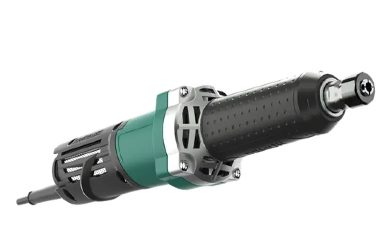
Advantages and Disadvantages of Using an Angle Grinder as a Car Polisher
1.Advantages
Cost-effective: If you already own an angle grinder, using it as a car polisher can save you the cost of purchasing a dedicated car polisher. This is especially useful if you only need to polish your car occasionally.
Versatility with Multiple Attachments: Angle grinders are versatile tools that can be used for a variety of tasks, from grinding and cutting to polishing. By simply swapping out attachments, you can turn your angle grinder into a multi-functional tool, making it useful for different DIY projects around the home, not just car polishing.
2.Disadvantages
Risk of Damaging the Car’s Paint: Angle grinders operate at high speeds (often 5,000 to 12,000 RPM), which are too fast for delicate tasks like polishing car paint. Using such high speed can easily burn or damage the paint, leaving swirls, scorch marks, or even stripped clear coat.
Lack of Control and Comfort: Compared to a dedicated car polisher, an angle grinder is bulkier and less ergonomic, making it harder to control, especially over long periods of time. The lack of fine speed control also means you have less precision when polishing, increasing the chances of damaging the surface.
Potential for Overheating the Tool: Angle grinders are designed for heavy-duty tasks like grinding metal or cutting concrete, not prolonged polishing work. Using an angle grinder as a polisher can cause the tool to overheat, leading to reduced performance, potential motor damage, or even tool failure.
Alternatives to Using an Angle Grinder for Car Polishing
1.Car Polishers
A dedicated car polisher is specifically designed for polishing car surfaces, offering features tailored for safe and effective detailing.
Benefits:
Adjustable Speeds: Allows you to choose the right RPM for polishing and buffing, ensuring a smooth finish without damaging the paint.
Better Control: Designed for comfort and precision, car polishers provide better grip and control, reducing the risk of swirl marks or burns.
Less Risk of Damage: Unlike angle grinders, car polishers operate at lower speeds, minimizing the risk of paint damage.
2.Dual-Action Polishers
A dual-action polisher combines rotary and orbital motions, making it ideal for car detailing.
Why They're Better:
Orbital Motion: The combination of circular and oscillating motions ensures even polishing and reduces the risk of swirl marks or burns.
Safer for Beginners: The forgiving dual-action mechanism makes it easier to use and reduces the chance of surface damage, even with less experience.
Versatility: Dual-action polishers are perfect for polishing, waxing, and removing light scratches, providing a flawless finish.
Frequently Asked Questions (FAQ)
1.Can I use a polishing pad on an angle grinder for car detailing?
Yes, you can attach a polishing pad to an angle grinder for car detailing, but it’s not ideal. Angle grinders are designed for high-speed grinding, which makes it harder to control the polishing process. You’ll need a backing plate to secure the pad properly, but there’s a risk of damaging the paint due to the tool's high RPM and vibration.
2.What RPM is safe for polishing a car with an angle grinder?
Angle grinders typically operate at 5,000 to 12,000 RPM, which is too fast for polishing. For safe car polishing, the ideal RPM is between 1,000 and 3,000 RPM. Angle grinders can’t maintain the low speed needed for safe polishing, so a speed reducer is recommended if using one.
3.Can using an angle grinder as a car polisher damage the paint?
Yes, the high RPM and aggressive action of an angle grinder can cause burn marks, swirls, or scratches on the paint. The heat generated can damage the clear coat, making it a risky choice for polishing.
4.Is it better to buy a dedicated car polisher instead of using an angle grinder?
Yes, a dedicated car polisher is safer and more effective than using an angle grinder. It offers adjustable speeds, better control, and is designed to protect your car’s paint. While an angle grinder can be used in a pinch, a car polisher will provide better, safer results.
Conclusion
In summary, while an angle grinder can be adapted to function as a car polisher with the right attachments, there are notable risks and limitations. The high RPMs, lack of control, and potential for overheating make it a less ideal tool for polishing car paint, which requires precision and gentle handling. While it may save money if you already own an angle grinder, the potential for surface damage, such as burns or swirl marks, outweighs the benefits. For the best results and to ensure the safety of your vehicle's paint, investing in a dedicated car polisher is highly recommended. A car polisher is designed for this task, offering adjustable speeds, better control, and smoother results. We encourage readers to prioritize safety and consider purchasing a proper car polisher for a more efficient, professional, and enjoyable car detailing experience.


