A grind machine is an essential tool for various tasks in home workshops, offering the versatility needed for cutting, grinding, polishing, and finishing materials. There are several types of grind machines available for home use, including straight grinders, bench grinders, angle grinders, and die grinders. Each type is designed for specific tasks, ranging from precision grinding to heavy-duty cutting. For DIY enthusiasts and hobbyists, choosing the right grind machine is crucial, as it can greatly impact the efficiency, safety, and quality of your work. The right machine ensures that projects, whether small-scale repairs or larger crafting tasks, are completed with precision, control, and the right level of power, making the overall experience more enjoyable and successful.
Types of Grind Machines for Home Use
1. Straight Grinders
Purpose: Straight grinders are designed for fine grinding, polishing, and detail work. They provide high precision for tasks requiring a steady hand and fine control.
Best For: These grinders are ideal for tasks like smoothing metal edges, polishing small parts, and working on delicate surfaces where precision is key. They are perfect for finishing touches and small, detailed projects that require accuracy.
2. Bench Grinders
Purpose: Bench grinders are stationary tools commonly used for grinding, sharpening tools, smoothing rough edges, and cleaning parts. They typically sit on a workbench for easy access.
Best For: Ideal for home workshops that require a stable, fixed grinder for general-purpose tasks. Bench grinders are great for sharpening tools like knives, chisels, or other hand tools and for smoothing or deburring metal parts.
3. Angle Grinders
Purpose: Angle grinders are highly versatile tools capable of grinding, cutting, and polishing. They feature a rotating disc that can be swapped for different attachments depending on the task.
Best For: These grinders are perfect for larger projects, such as cutting through metal, stone, or masonry, and cleaning or grinding down surfaces. Their power and versatility make them essential for heavy-duty work in home renovation or construction projects.
4. Die Grinders
Purpose: Die grinders are similar to straight grinders but typically smaller, making them more precise and easier to maneuver in tight spaces. They are great for detail-oriented tasks.
Best For: Ideal for smaller, intricate sanding, grinding, or polishing tasks. Die grinders excel in detailed work in confined areas, making them perfect for projects that require high precision, such as fine metalwork or detailed wood carving.
Key Factors to Consider When Choosing a Grind Machine for Home Use
1.Power and Motor Capacity
When selecting a grind machine, it's crucial to understand the motor’s power and capacity to ensure it meets the requirements of your tasks. For lighter tasks like polishing or fine grinding, a lower motor capacity might suffice. However, for heavy-duty tasks like cutting metal or grinding tough materials, you'll need a more powerful motor. Typically, a grinder with a motor capacity ranging from 5 to 10 amps is suitable for most home projects, with higher power providing more efficiency and smoother operation.
2.Ergonomics and Comfort
For extended use, the ergonomics and comfort of the grind machine are key factors to consider. Look for grinders that are designed with user comfort in mind, featuring handles that reduce fatigue, a well-balanced body, and easy-to-grip controls. Machines with anti-vibration handles or padded grips can help minimize strain during long tasks. A comfortable and ergonomic grinder will enhance control and make it easier to use for prolonged periods without discomfort.
3.Size and Portability
The size and portability of the grinder will affect both usability and storage in a home workshop. For tight spaces or smaller workshops, choose a compact and lightweight grinder that’s easy to maneuver and store. However, larger machines such as bench grinders might offer more power but take up more space. Consider your available workspace and how often you'll need to move the tool when selecting the right size. A portable grinder, such as an angle or straight grinder, can be more versatile for different types of tasks around the home.
4.Versatility and Attachments
A versatile grinder with multiple attachments provides more flexibility for various tasks. Some grinders come with interchangeable wheels or accessories, such as polishing pads, cutting discs, or sanding belts, allowing you to tackle different projects with a single tool. If you plan to use your grinder for multiple functions (grinding, cutting, sanding, polishing), look for a machine that supports a wide range of attachments, giving you the ability to adjust for different applications.
5.Safety Features
Safety should always be a priority when choosing a grinder. Look for grinders that include adjustable safety guards to protect you from flying debris, and anti-vibration handles to reduce hand fatigue and increase control. A stable base or solid construction is essential for minimizing wobble or vibration, particularly during heavy grinding tasks. Many modern grinders also include features like soft-start motors to prevent jerking at startup and lock-on switches for continuous operation without needing to keep a finger on the trigger, improving both safety and ease of use.
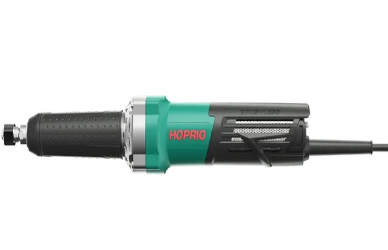
Comparing Popular Grind Machines for Home Use
Here is a comparison table summarizing popular grind machines for home use, including their pros and cons based on user needs:
Grinder Type | Top Choices | Pros | Cons |
Straight Grinders | Makita GD0601, Dewalt DWE4887, Bosch 1375A | - Precise control for detail work
- Compact and lightweight
- Ideal for fine grinding and polishing | - Not ideal for heavy-duty tasks
- Limited versatility |
Bench Grinders | WEN 4276, JET 577102, SKIL 3380-01 | - Stable for fixed use
- Great for tool sharpening and deburring
- Durable and reliable | - Bulky and requires a workbench
- Limited portability |
Angle Grinders | Bosch 1375A, Makita 9557PB, Dewalt DWE402 | - Versatile (grinding, cutting, polishing)
- More power for heavy-duty tasks
- Great for larger projects | - Heavier and bulkier
- May cause more vibration during extended use |
Die Grinders | Makita GD0601, Dewalt D28402K, Milwaukee 2485-20 | - Compact and precise
- Ideal for intricate work in tight spaces
- Versatile for sanding and polishing | - Less power for heavy-duty tasks
- Smaller capacity and limited use |
This table helps you compare the top choices, pros, and cons of each grinder type based on factors like space, task complexity, and power requirements for home use.
Grinder Maintenance and Safety for Home Use
1.Routine Maintenance
To keep your grind machine in top condition, regular maintenance is key:
Cleaning: After each use, clean the grinder to remove dust and debris. Use a soft brush or compressed air to clean vents and motor openings to prevent overheating.
Inspect and Replace Parts: Regularly check the grinding wheel for wear and replace it if cracked or damaged. Also, inspect other parts like handles and guards for any damage.
Lubrication: Some grinders need periodic lubrication for internal parts like bearings. Check the manual for instructions.
Check Power Cords: Inspect the power cord and plug for any damage. Replace them immediately if frayed or loose.
Storage: Store the grinder in a dry, cool place when not in use to avoid damage or rusting.
2.Safety Guidelines
Follow these best practices for safe grinder use:
Wear Protective Gear: Always wear safety goggles, gloves, ear protection, and a dust mask to protect yourself from debris, noise, and dust.
Secure Setup: Place the grinder on a stable surface or use it with a firm grip to prevent accidental slips.
Proper Handling: Hold the grinder with both hands and maintain a firm grip. Keep your body away from the rotating wheel to avoid injury.
Workspace Setup: Ensure a clean, well-lit, and clutter-free workspace with proper ventilation to reduce risks from dust and fumes.
Inspect Before Use: Always inspect the grinder and wheel before use to ensure they are secure and in good condition.
Frequently Asked Questions (FAQ)
1.Can I use an angle grinder for both cutting and grinding at home?
Yes, angle grinders are versatile tools that can handle both cutting and grinding with the right attachments. Use a cutting wheel for cutting through metal, stone, or concrete, and a grinding wheel for smoothing surfaces or removing rust. This flexibility makes angle grinders great for various DIY tasks.
2.What size bench grinder is best for home use?
For most home workshops, a 6-inch bench grinder is ideal for general tasks like sharpening tools and light grinding. If you need more power or larger projects, consider an 8-inch grinder. Choose based on available space and the types of tasks you plan to perform.
3.How do I know if my straight grinder has enough power for my tasks?
Check the motor capacity (amps or watts) to ensure it's suitable for your tasks. A 5-6 amp motor is enough for light tasks like polishing, while 8 amps or more is needed for heavy-duty tasks. Also, consider the RPM for speed and power requirements.
4.Are corded or cordless grinders better for home use?
Corded grinders provide continuous power, ideal for long or heavy tasks but limit mobility.
Cordless grinders offer greater mobility but rely on battery life, which may need frequent recharging for high-power tasks.
Choose based on the balance of power and mobility for your DIY projects.
Conclusion
To wrap up, selecting the right grind machine for home use depends on your specific needs and the types of projects you plan to tackle. Straight grinders are perfect for precise tasks like fine grinding and polishing, while bench grinders are ideal for general grinding and tool sharpening. Angle grinders offer great versatility for cutting, grinding, and polishing, making them suitable for larger tasks, and die grinders provide accuracy in tight spaces for intricate work. When choosing a grinder, it’s important to consider factors like power, versatility, and safety. I recommend selecting a grinder that best suits your tasks while ensuring a balance between performance, safety, and comfort. Before making a purchase, carefully evaluate your home workshop needs and research product reviews to find the perfect grind machine for your projects.


