The angle grinder is one of the most powerful and versatile handheld power tools available today. Whether you are cutting through metal, shaping stone, or working on construction and repair projects, this tool delivers unmatched performance. But with its power comes responsibility. One of the most critical components of an angle grinder is its cutting wheel, which can rotate at speeds of up to 12,000 revolutions per minute. Improper handling or replacement of these wheels can result in serious accidents.
For professionals and DIY users alike, learning how to safely handle and replace angle grinder cutting wheels is essential. This knowledge not only extends the lifespan of your tool and accessories but also prevents injuries that could have long-term consequences. In this article, we will discuss the key safety guidelines you should follow every time you use or replace an angle grinder cutting wheel.
Why Cutting Wheel Safety Matters
The cutting wheel may look like a simple disc, but it is subjected to extreme stress during operation. It spins at high speeds and must cut through tough materials, which generates heat, sparks, and vibration. If the wheel is mishandled, damaged, or incorrectly installed, it can shatter under pressure. A broken disc can release dangerous fragments at high velocity, posing risks to the operator and anyone nearby.
In addition, improper use can wear down the wheel unevenly, cause it to overheat, or even damage the grinder itself. For these reasons, strict safety practices should be followed whenever handling, storing, or replacing cutting wheels.
Understanding Cutting Wheels
Before diving into safety, it is useful to understand the nature of cutting wheels. Cutting wheels for angle grinders come in different types, materials, and thicknesses depending on their intended use. Some are designed for metals, others for stone, tile, or concrete. Thin wheels cut faster and cleaner but are more fragile, while thicker wheels are more durable but may generate more heat.
Each wheel also has a maximum RPM rating. This number indicates the highest safe speed the wheel can handle. Using a wheel at a higher RPM than it is rated for greatly increases the chance of it breaking apart during operation. Always match the wheel specifications to your grinder’s capacity.
Preparing for Safe Handling
Inspect the Wheel Before Use
Never use a cutting wheel without checking its condition first. Look for cracks, chips, or uneven wear. Even a small crack can cause the wheel to break apart once it spins at full speed. If you notice any defects, do not use the wheel—dispose of it safely.
Store Wheels Properly
Cutting wheels should be stored in a dry, flat area away from moisture and direct sunlight. Exposure to humidity can weaken the wheel, while improper stacking can cause warping. Wheels should always remain flat to avoid bending, which may lead to unsafe performance.
Wear the Right Personal Protective Equipment (PPE)
Safety gear is non-negotiable when working with angle grinders. At a minimum, always wear:
Safety goggles or a face shield to protect your eyes and face from sparks and debris.
Heavy-duty gloves to protect your hands from cuts or burns.
Hearing protection, since grinders can be very loud.
Dust mask or respirator when cutting materials like concrete or tile.
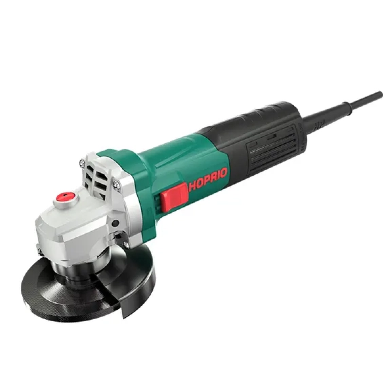
Replacing Angle Grinder Cutting Wheels
Replacing the cutting wheel is a routine task, but it must be done correctly to ensure safety. Follow these steps:
Step 1: Disconnect the Power
Always turn off and unplug the grinder before starting. For cordless models, remove the battery. Never attempt to replace the wheel while the grinder is connected to power.
Step 2: Secure the Tool
Place the grinder on a stable surface. Ensure it won’t move while you are replacing the wheel. Some people prefer to clamp the tool gently in a vise for extra stability.
Step 3: Lock the Spindle
Most angle grinders have a spindle lock button. Press and hold this button to prevent the spindle from turning while you loosen the wheel.
Step 4: Remove the Old Wheel
Use the wrench that came with your grinder to loosen the flange nut holding the wheel in place. Turn it counterclockwise to release the wheel. If the wheel is stuck, apply gentle pressure—never force it with excessive tools that could damage the spindle.
Step 5: Inspect the Flanges and Guard
Before installing the new wheel, check the flanges (the metal parts that hold the wheel) for wear or damage. Clean off any dust or debris. Also, make sure the safety guard is properly attached and adjusted. The guard must cover the wheel and direct sparks away from your body.
Step 6: Install the New Wheel
Place the new cutting wheel on the spindle, making sure it sits flat and centered. Replace the flange nut and tighten it securely, but not excessively. Over-tightening can damage the wheel or the spindle.
Step 7: Test the Wheel
After replacing the wheel, plug in the grinder and run it for 30 seconds at full speed while holding it away from your body. This test ensures the wheel is securely in place and balanced. If you hear unusual vibrations or noises, stop immediately and recheck the installation.
Safe Operation of Cutting Wheels
Once the wheel is installed, operating the grinder safely is the next priority.
Always Use Two Hands
Angle grinders generate torque and vibration, which makes them difficult to control with one hand. Always hold the tool with both hands—one on the main handle and one on the auxiliary handle.
Position Yourself Correctly
Stand slightly to the side of the wheel, not directly behind it. This minimizes the risk of injury if the wheel breaks. Keep bystanders away from the work area.
Match Speed to the Task
Adjust your speed according to the material. High speeds are suitable for hard metals, while slower speeds work better for delicate tasks. Never exceed the maximum speed rating of the wheel.
Apply Moderate Pressure
Do not force the wheel into the material. Let the grinder do the work. Excessive pressure can cause the wheel to bind, overheat, or break.
Avoid Side Pressure
Cutting wheels are designed for straight cuts, not for grinding or side pressure. Using the wheel at an angle or pressing sideways can cause it to shatter. For grinding tasks, use a dedicated grinding disc instead.
Watch for Sparks and Debris
Direct sparks away from your body and ensure there are no flammable materials nearby. Clear the workspace of clutter before starting.
Common Mistakes to Avoid
Many accidents with angle grinders result from avoidable mistakes. Be mindful of these:
Using a cutting wheel that is damaged or expired.
Installing the wheel loosely or without checking alignment.
Operating without protective gear.
Using the wrong wheel type for the material.
Removing or ignoring the grinder’s safety guard.
Exceeding the wheel’s maximum RPM rating.
Avoiding these mistakes will greatly reduce the risk of accidents.
Maintenance and Care for Longevity
Caring for your cutting wheels and angle grinder ensures safe and reliable performance.
Clean After Use: Remove dust and debris from the grinder and wheel after each job.
Replace Worn Wheels Promptly: Do not wait until the wheel is completely worn down—replace it before it becomes too small or unsafe.
Check the Guard and Flanges Regularly: These parts must always be in good condition.
Lubricate the Grinder: Some models require occasional lubrication of moving parts. Follow the manufacturer’s instructions.
Use Quality Wheels: Cheap, low-quality wheels may save money initially but often wear faster and pose higher risks.
Conclusion
The angle grinder is an invaluable tool across industries, but its cutting wheel demands careful handling and replacement. By inspecting wheels before use, storing them properly, following correct replacement steps, and practicing safe operation, you can significantly reduce risks and improve efficiency. Wearing the right protective gear, using the right wheel for the job, and respecting the tool’s power are the keys to safe and effective grinding.
For professionals and DIY enthusiasts who want reliable tools and accessories, working with trusted suppliers makes a big difference. Companies like ChangZhou Hoprio E-Commerce Co., Ltd. provide dependable products designed to meet both performance and safety standards, ensuring that every project can be completed with confidence.


