When it comes to power tools, few categories are as versatile and widely used as grinders. Whether in workshops, construction sites, or home garages, grinders play an important role in cutting, polishing, shaping, and surface preparation. But not all grinders are the same. One of the most common and practical types is the right angle grinder, a tool that has become a staple in metalworking, construction, and do-it-yourself projects.
However, right angle grinders are just one option in a family of different grinders. Bench grinders, die grinders, straight grinders, and even specialized tools like vertical grinders all serve unique purposes. With so many choices, beginners and even experienced users often ask themselves: Which grinder suits my needs best?
This article explores the role of the right angle grinder in comparison with other grinders. We will look at their key features, common uses, strengths, and limitations. By the end, you will understand which grinder is the right fit for your work, whether you are a professional tradesperson or a weekend hobbyist.
Understanding the Right Angle Grinder
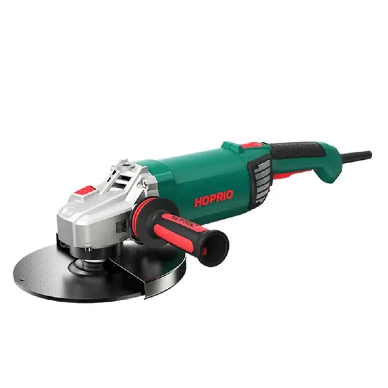
A right angle grinder is a handheld power tool with a disc mounted at a 90-degree angle to the motor. This design gives it excellent maneuverability and versatility. Typically powered by electricity—either corded or battery-operated—it spins cutting or grinding discs at high speeds, allowing it to cut metal, grind welds, smooth stone, or even polish surfaces.
Its most recognizable feature is the side handle, which helps the user maintain a firm grip and better control. Right angle grinders come in various sizes, from compact four-inch models suitable for light tasks to larger nine-inch versions used for heavy-duty cutting and grinding. Because of their adaptability, they are the go-to choice for many professionals in construction and metal fabrication, as well as for DIYers who want one tool that can do a little bit of everything.
Other Common Types of Grinders
To see where the right angle grinder stands, it is important to understand the alternatives available. Each type of grinder has its own design and intended purpose.
Bench Grinders
A bench grinder is a stationary tool usually mounted on a workbench. It has two grinding wheels, one on each side, and is commonly used for sharpening tools, shaping metal, and removing rust or burrs. Unlike the portable right angle grinder, a bench grinder is not designed for mobility—it is about precision and consistency on small workpieces.
Die Grinders
A die grinder is a small, handheld tool that resembles a thick pen. It is often powered by compressed air, though electric versions also exist. Die grinders are used for precision work, such as grinding in tight spots, cleaning welds, or engraving. Their small size and high RPM make them ideal for detail-oriented tasks that a larger right angle grinder would be too bulky to handle.
Straight Grinders
A straight grinder is similar to a die grinder but larger in size. It has a spindle that runs straight out from the body of the tool. These grinders are used for heavy-duty applications such as grinding inside large pipes, smoothing edges on heavy metal plates, or working on areas that require extended reach.
Vertical Grinders
A vertical grinder positions the grinding disc parallel to the tool’s body. It is often used in large-scale industrial applications, such as heavy metal fabrication or shipbuilding, where its design allows for powerful material removal on flat surfaces. Vertical grinders are not commonly found in home workshops but are valued in heavy industries.
By looking at these types, it becomes clear that each grinder is designed with a specific range of tasks in mind. The challenge lies in identifying which type matches your needs most effectively.
Comparing the Right Angle Grinder with Other Grinders
Now that we know the basic designs, let’s compare the right angle grinder with its counterparts across a few important factors: portability, versatility, precision, and workload capacity.
Portability and Ease of Use
The right angle grinder excels in portability. It is compact, handheld, and can be taken directly to the workpiece. Whether cutting rebar at a construction site or smoothing welds in a workshop, its mobility is unmatched compared to a stationary bench grinder. Die grinders also score high on portability, but their applications are narrower and more focused on precision rather than heavy-duty cutting. Straight and vertical grinders, while portable, are bulkier and often require more experience to handle effectively.
Versatility in Applications
One of the greatest strengths of the right angle grinder is its versatility. By changing the disc or attachment, it can cut, grind, sand, polish, and even brush surfaces. A bench grinder, on the other hand, is mostly limited to sharpening and grinding. Die grinders offer precision but lack the power to handle larger surfaces or thicker materials. Vertical and straight grinders, though powerful, are generally specialized for industrial tasks and less flexible in everyday use.
Precision and Detail Work
When it comes to detail and fine work, the right angle grinder is not the best option. Its size and power make it difficult to handle delicate tasks like engraving or working in very tight spaces. This is where die grinders shine—they are built for accuracy and precision in confined areas. Bench grinders also provide good control for sharpening but are not suited for intricate shaping beyond basic tool maintenance.
Workload and Power
If the job involves heavy-duty grinding, cutting thick steel, or working on large surfaces, the right angle grinder performs well, especially in its larger sizes. However, for continuous industrial-scale work, straight grinders and vertical grinders offer more raw power and endurance. Bench grinders, while powerful, are limited by their stationary design, making them unsuitable for larger construction or fabrication projects.
Choosing the Right Grinder for Your Needs
With all the comparisons in mind, the decision comes down to what you actually need the tool for.
If you are looking for an all-around tool that can handle cutting, grinding, and polishing across different materials, the right angle grinder is the best choice. Its flexibility makes it a solid investment for professionals and hobbyists alike.
If your main focus is tool sharpening or stationary grinding, a bench grinder is ideal. It will not replace the versatility of an angle grinder, but it excels at precise, consistent sharpening.
If your work involves fine detail, tight spaces, or delicate shaping, a die grinder will outperform the right angle grinder thanks to its compact size and high precision.
For industrial or heavy fabrication work where long hours of grinding large surfaces are required, straight grinders and vertical grinders are more suitable. They offer the raw power and design needed for such demanding applications.
In short, the right angle grinder is the most versatile option for general use, but it is not the only grinder worth having. Many professionals keep multiple grinders for different purposes.
Safety Considerations for All Grinders
Regardless of which grinder you choose, safety is always the most important factor. Grinders operate at high speeds and can produce sparks, dust, and debris. A few universal safety rules include:
Always wear protective gear, including safety glasses, gloves, hearing protection, and dust masks when necessary.
Ensure the correct disc or attachment is being used for the material. Using the wrong one can lead to accidents.
Never remove the safety guard—it is designed to protect you from flying fragments.
Maintain a firm grip on handheld grinders and keep both hands on the tool whenever possible.
Keep your work area clean and free of flammable materials to avoid fire hazards from sparks.
Following these precautions ensures that whichever grinder you choose, you use it both effectively and safely.
Conclusion
Grinders are powerful and versatile tools used in workshops, construction sites, and home garages. Among them, the right angle grinder is the most practical all-around choice. It is portable, adaptable, and capable of handling many tasks, including cutting metal, smoothing concrete, polishing stone, and sharpening tools.
Other grinders, however, excel in more specialized roles. Bench grinders are ideal for sharpening, die grinders are perfect for precision work, and straight or vertical grinders are designed for heavy-duty industrial jobs. Choosing the right grinder depends on your needs: if you want one tool that does almost everything, go for the right angle grinder; if your projects require precision or industrial strength, another grinder may be the better fit.


